Campaign production
Whole campaign worlds in weeks. A season of stills and motion from one brief, at a fraction of a shoot.
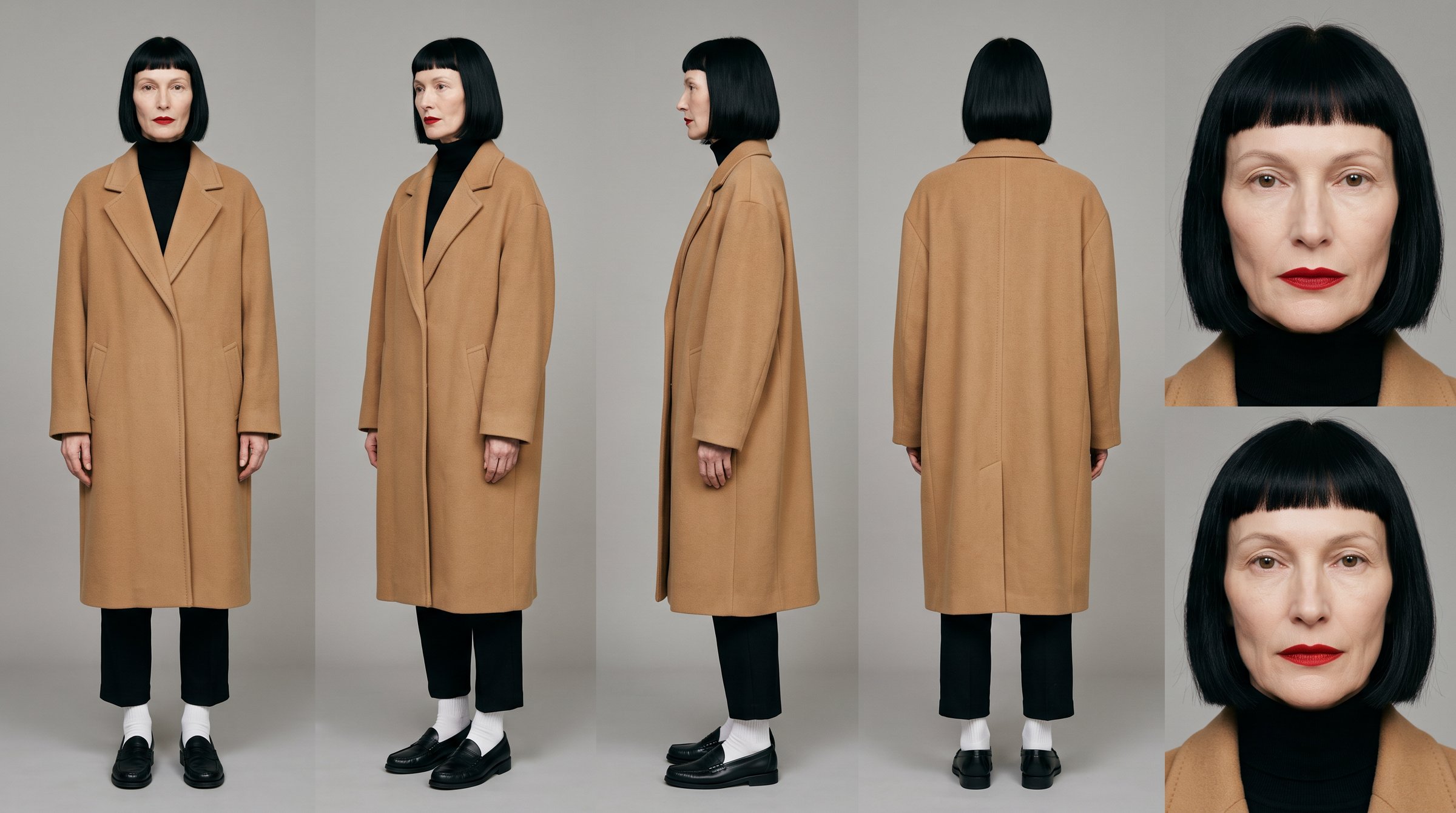
I build campaign worlds for beauty and fashion brands: the cast, the set, the light and every frame. It is fast: Odile’s character sheet and her first five looks took one afternoon. It is volume: one brief becomes a season of key visuals, stills and short films, cut to every format. And it costs a fraction of a full production. I direct it the way I have worked for 15+ years in beauty, fashion and retail, for M·A·C, Maybelline New York and Old Navy. It is made with AI image and video tools, Magnific among them, then finished by hand.
Directed, not prompted
Four rules every world is held to, before a single frame is made.
- 01
Cast before you shoot
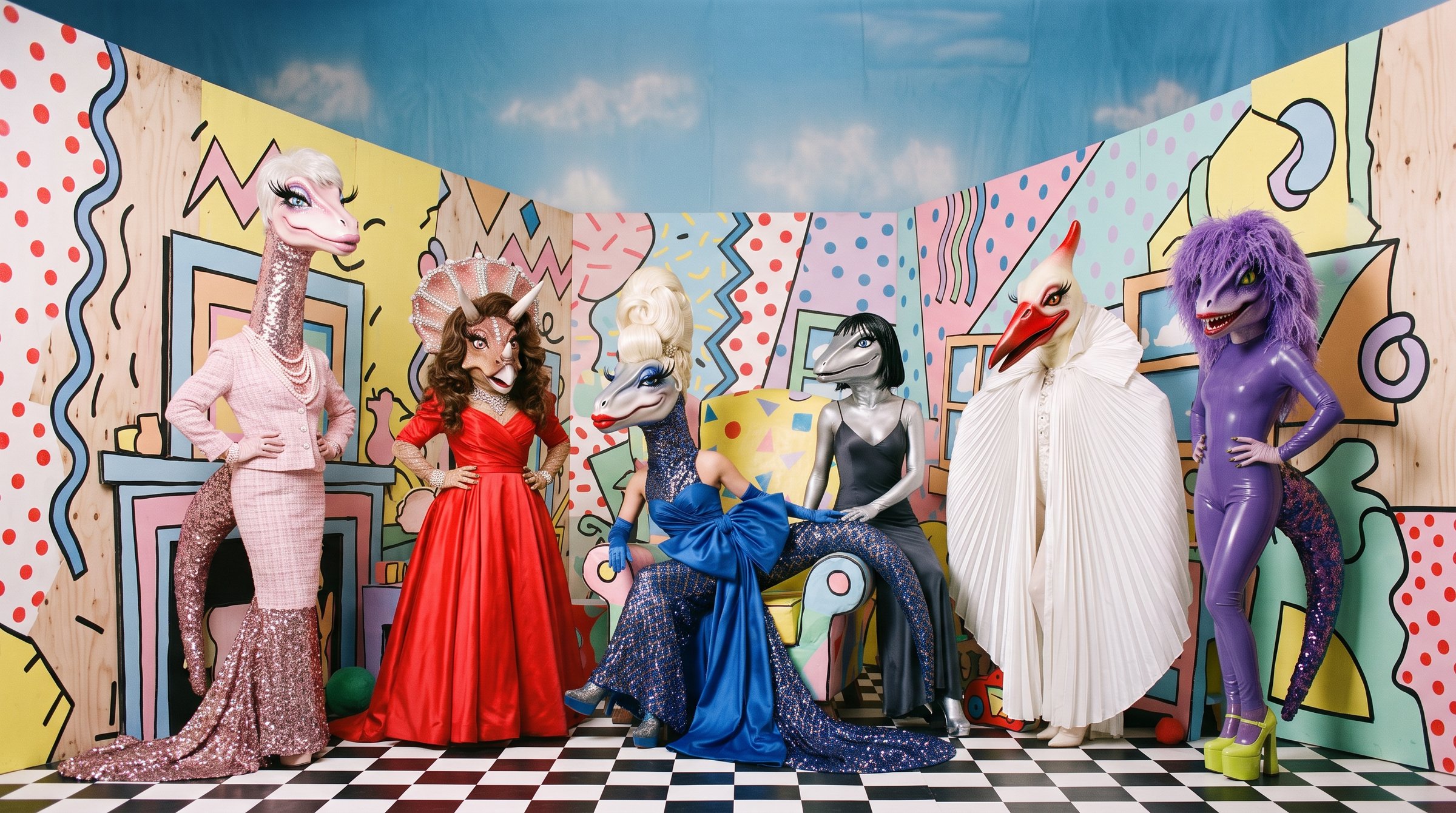
Les Passantes is cast like a film: 88 characters, Odile among them, each on her own casting page with a one line story. The House is cast like a model agency: six queens, one color each.
- 02
Fix the codes, change one thing
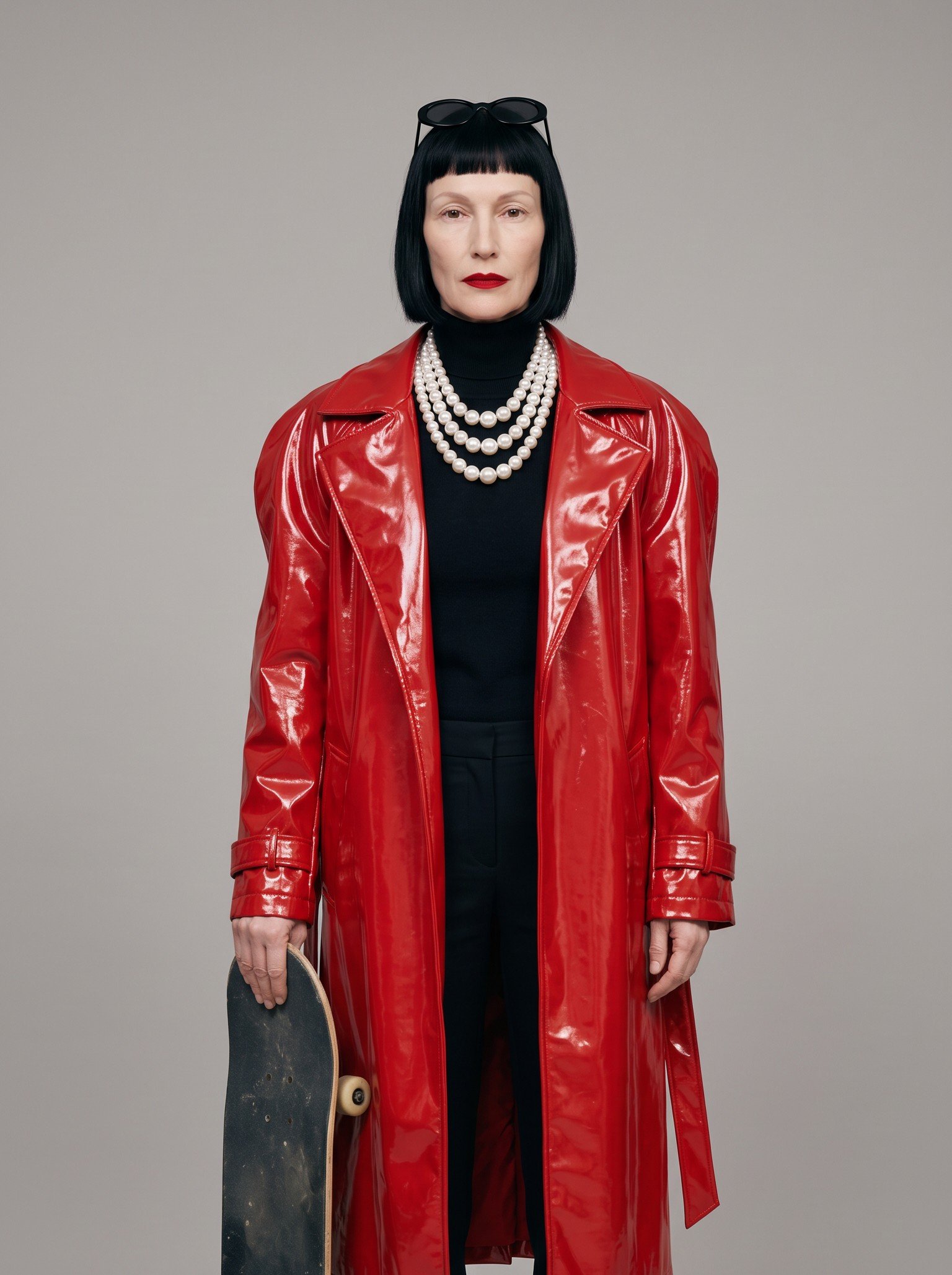
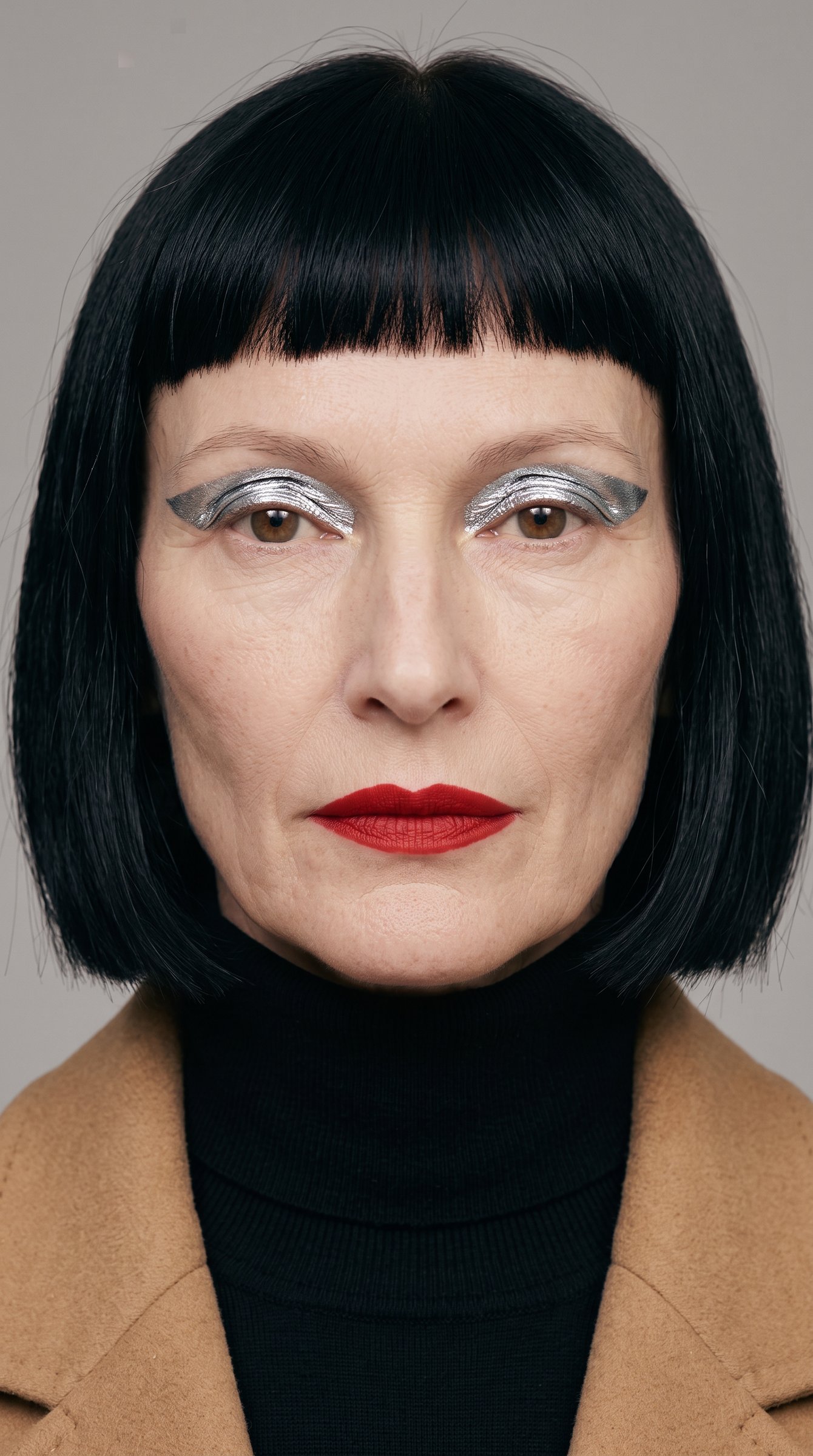
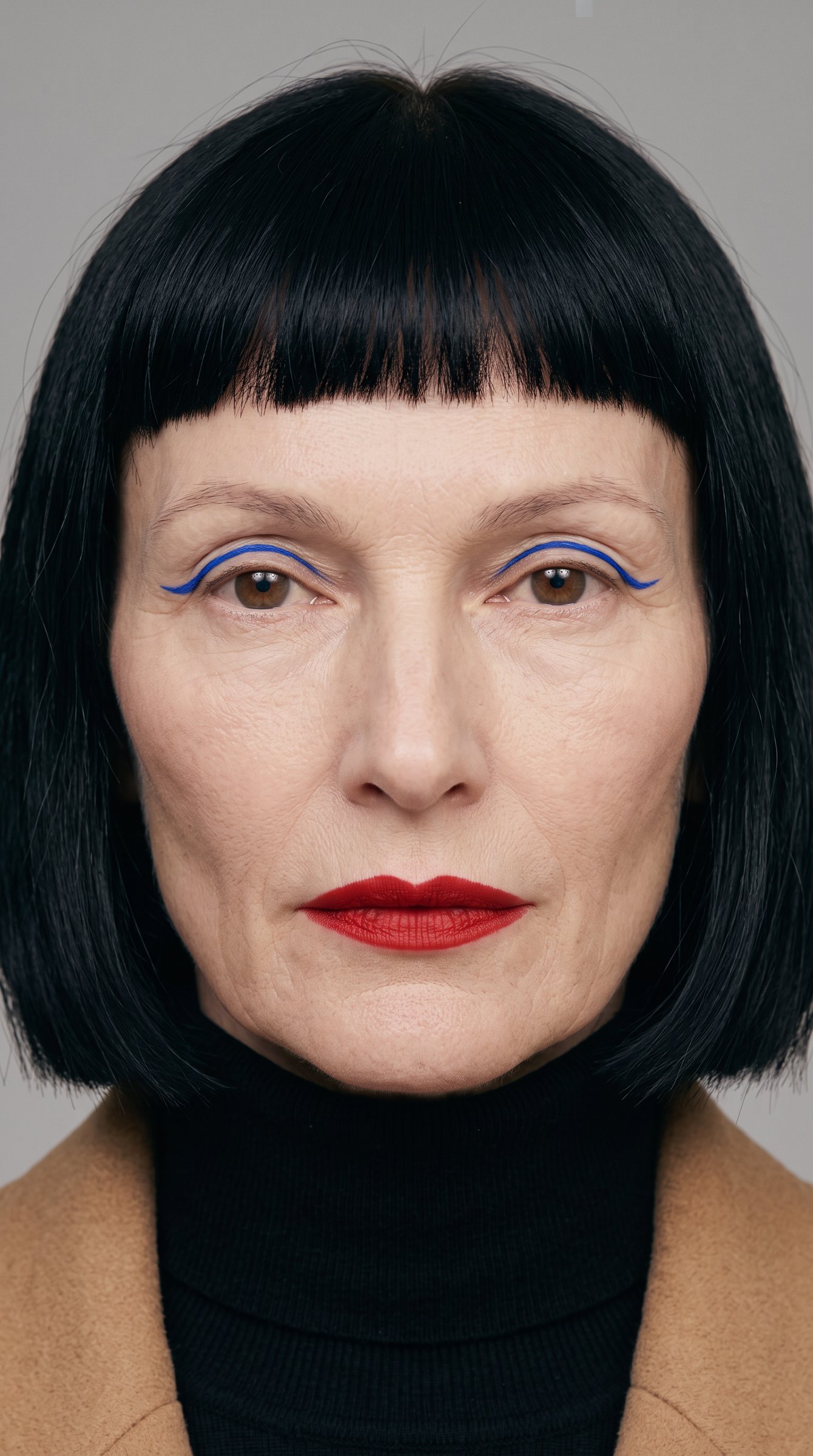
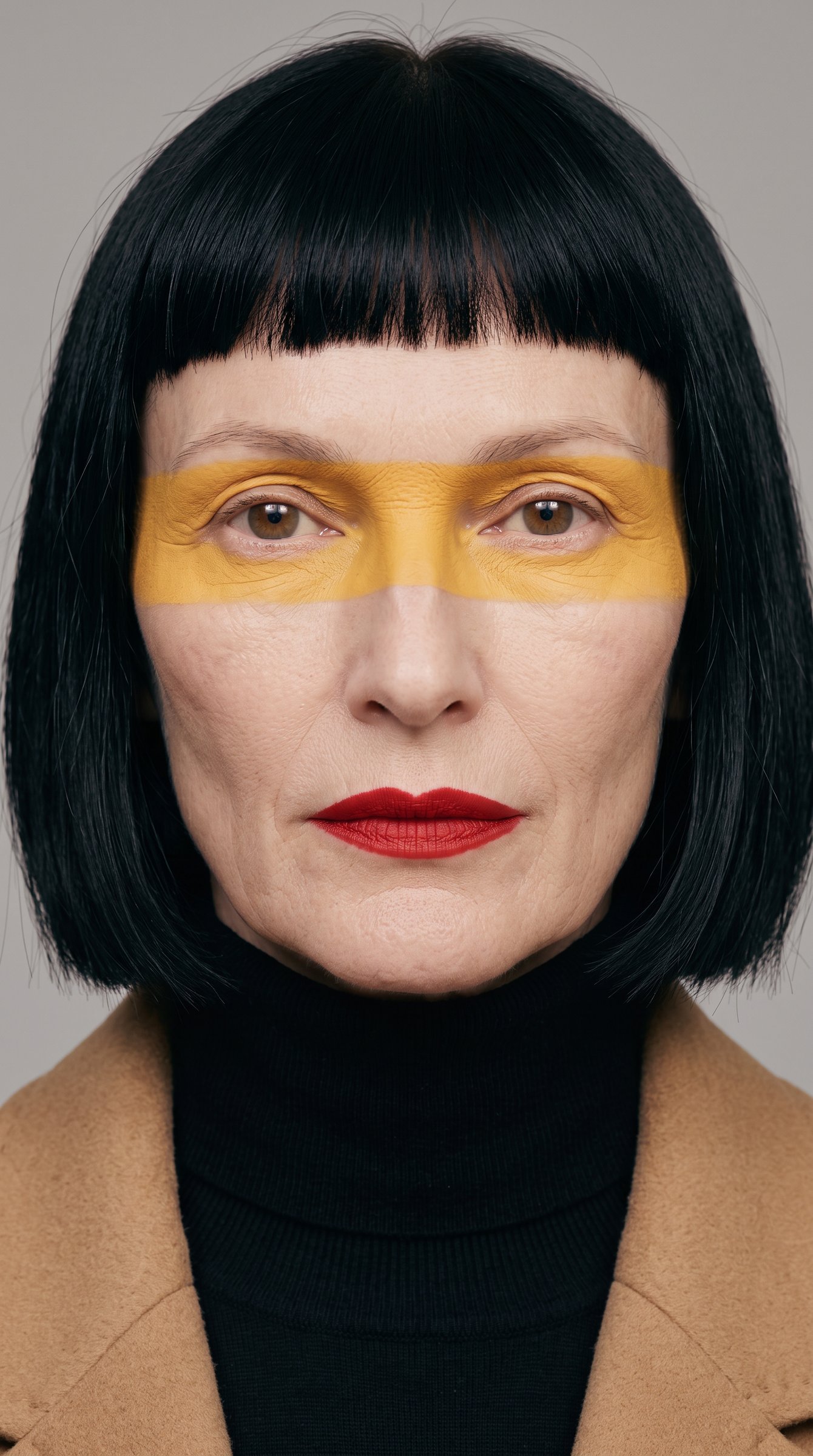
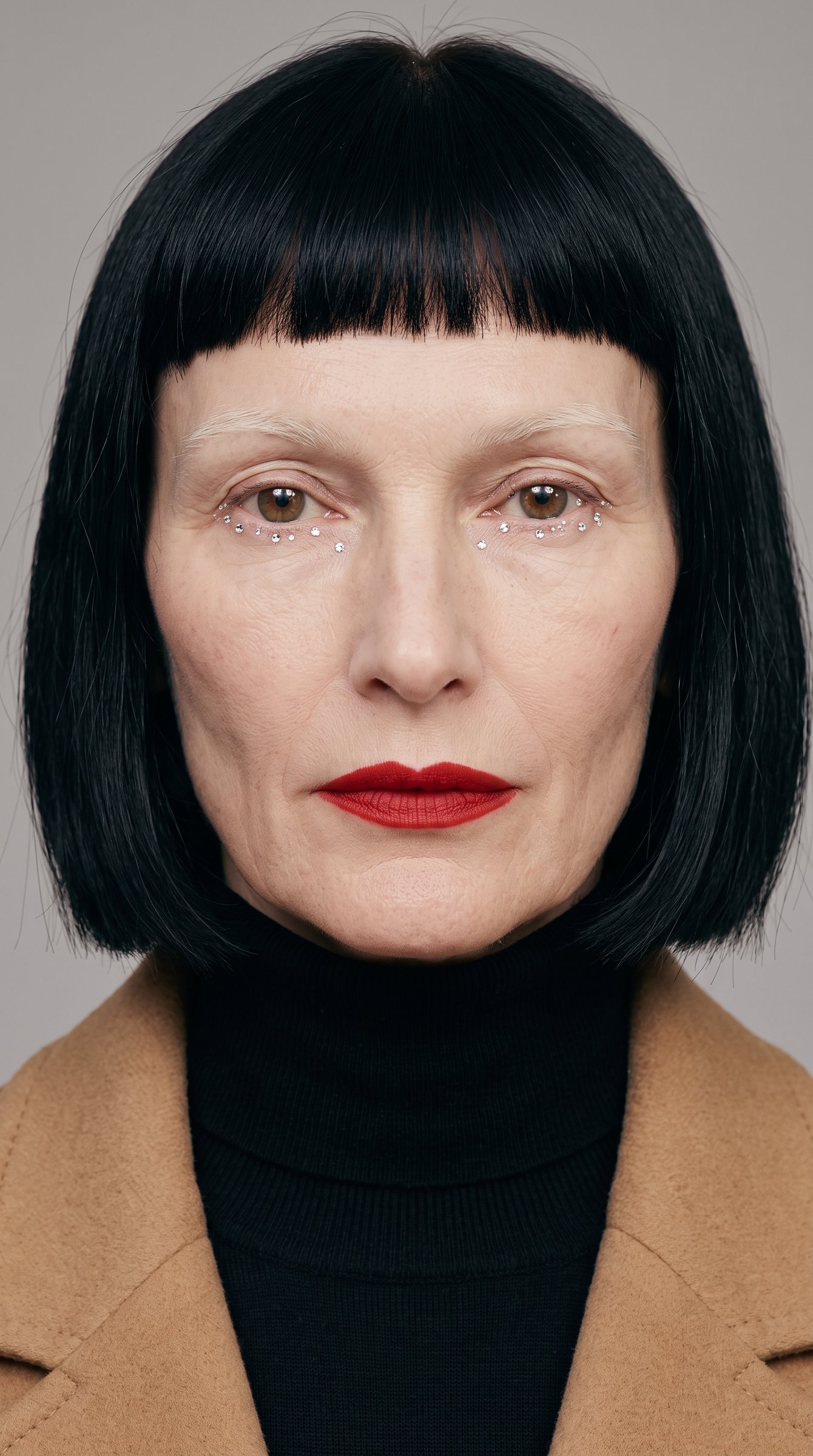
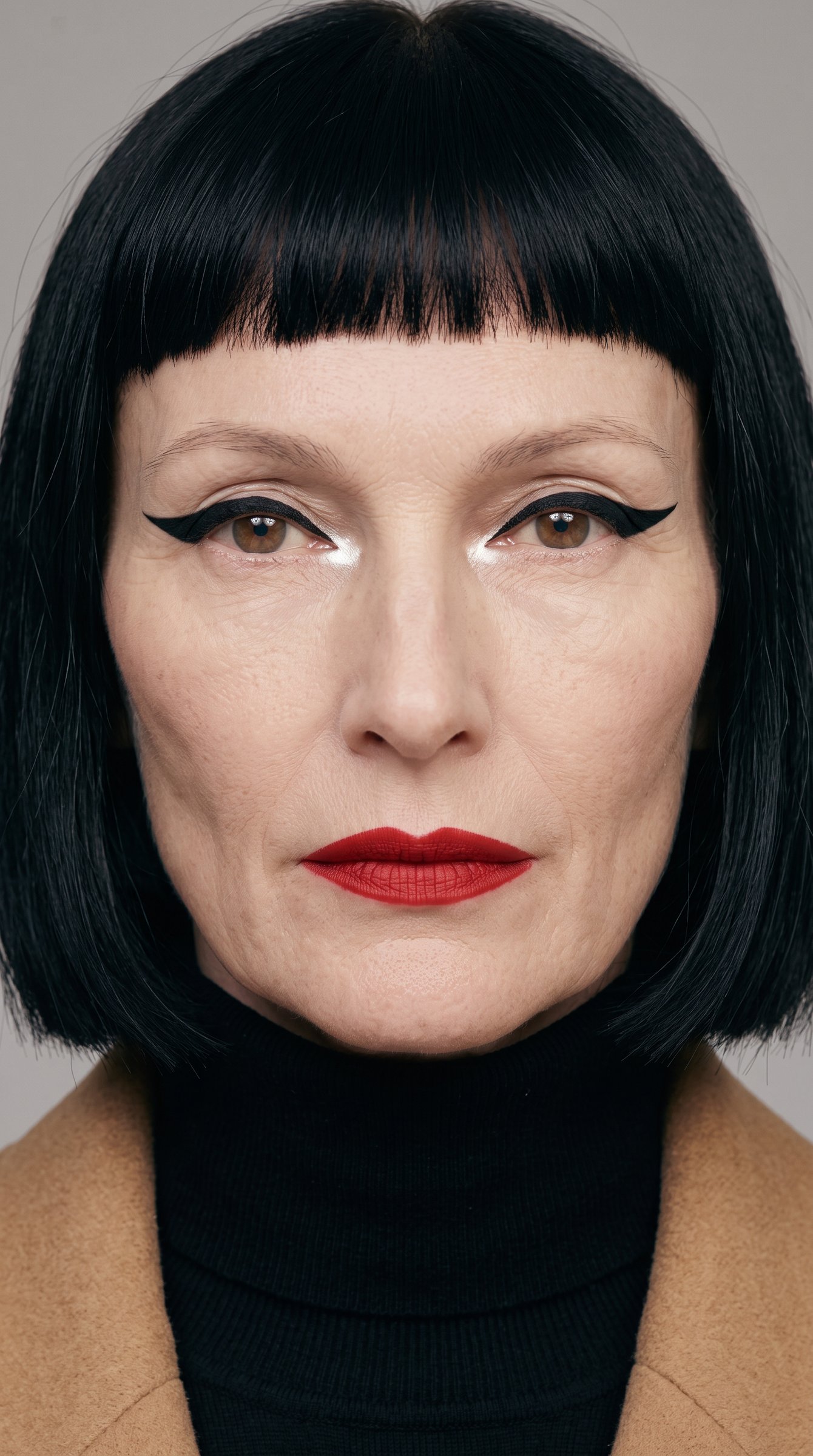
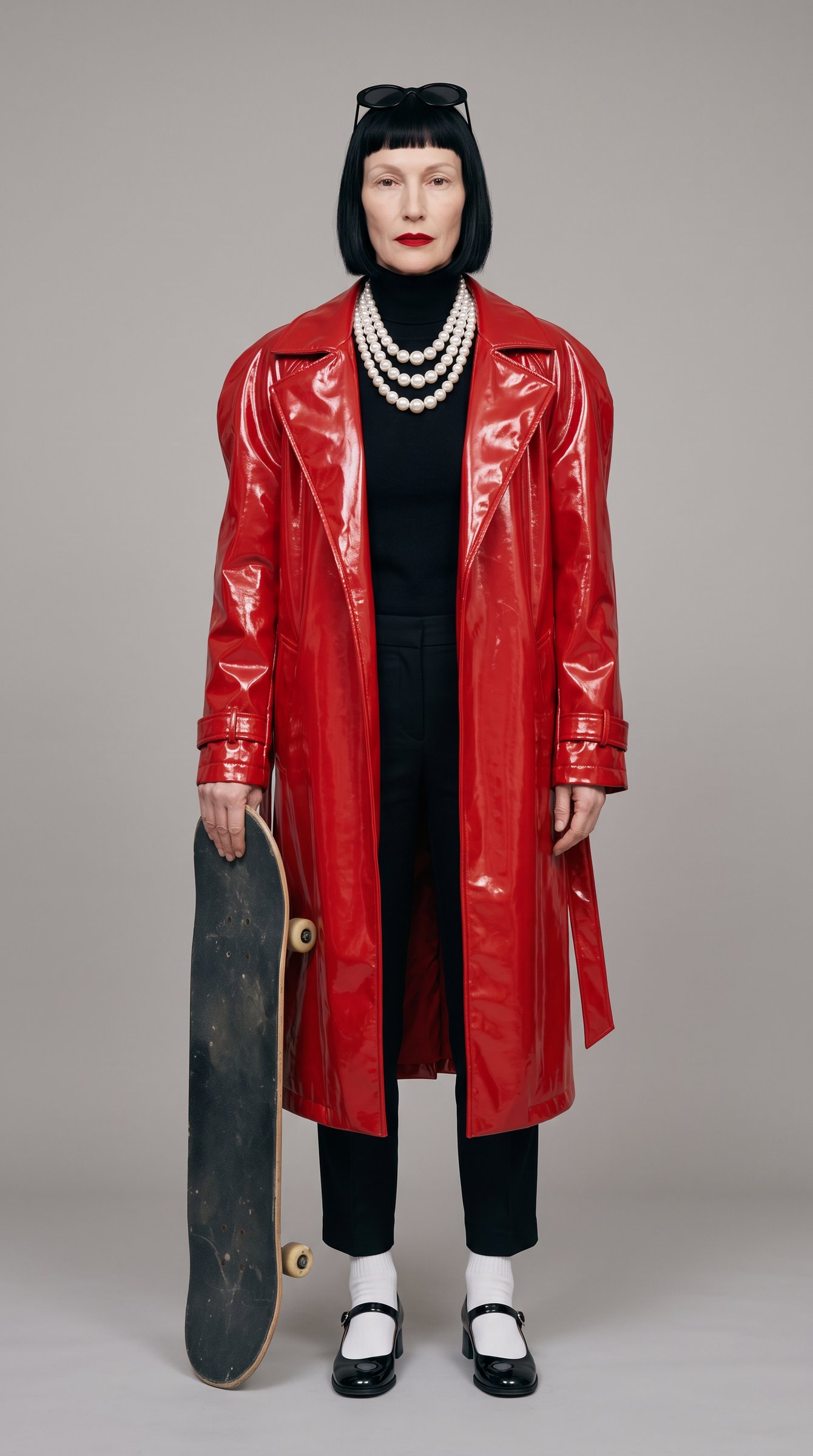
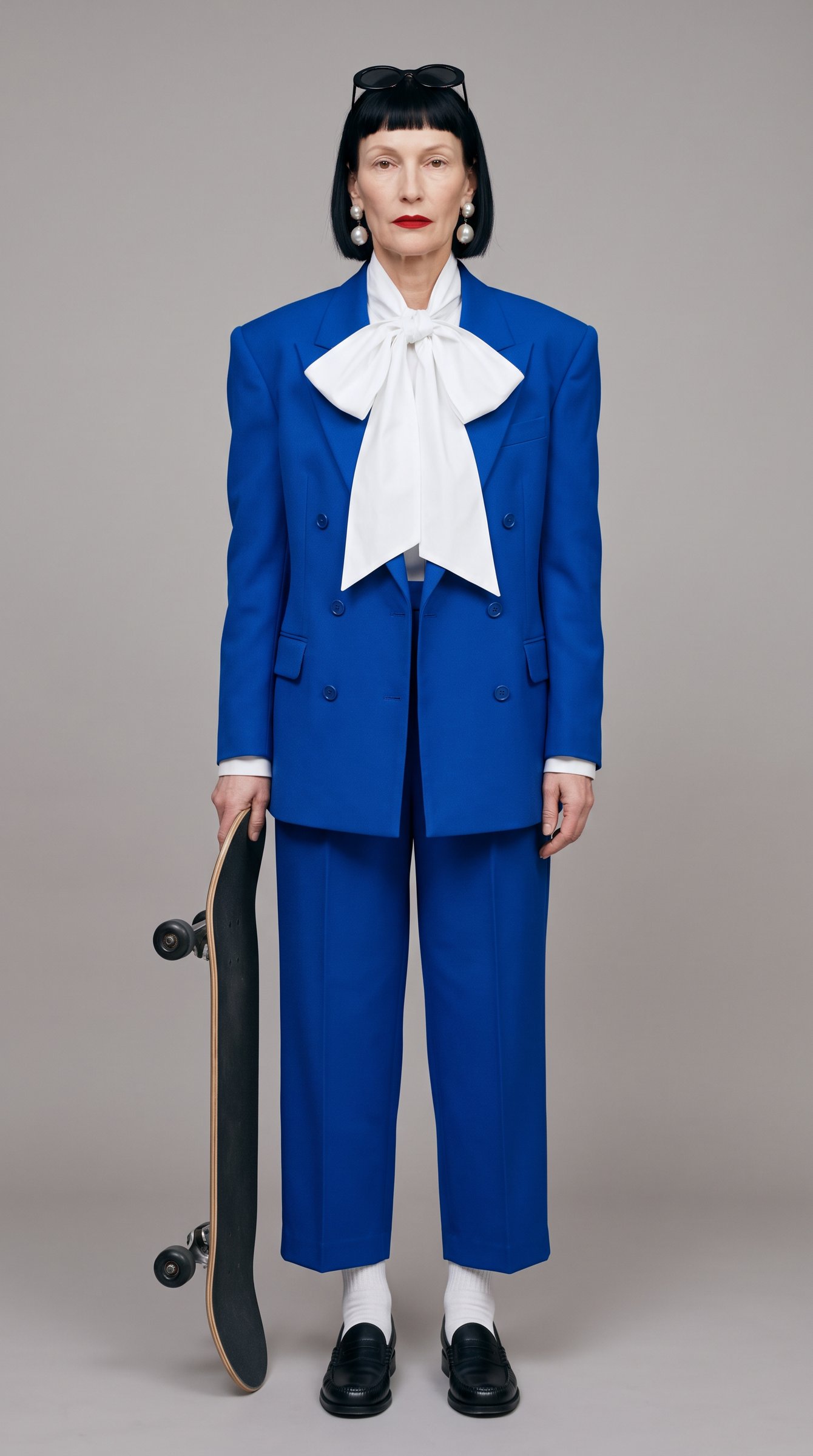
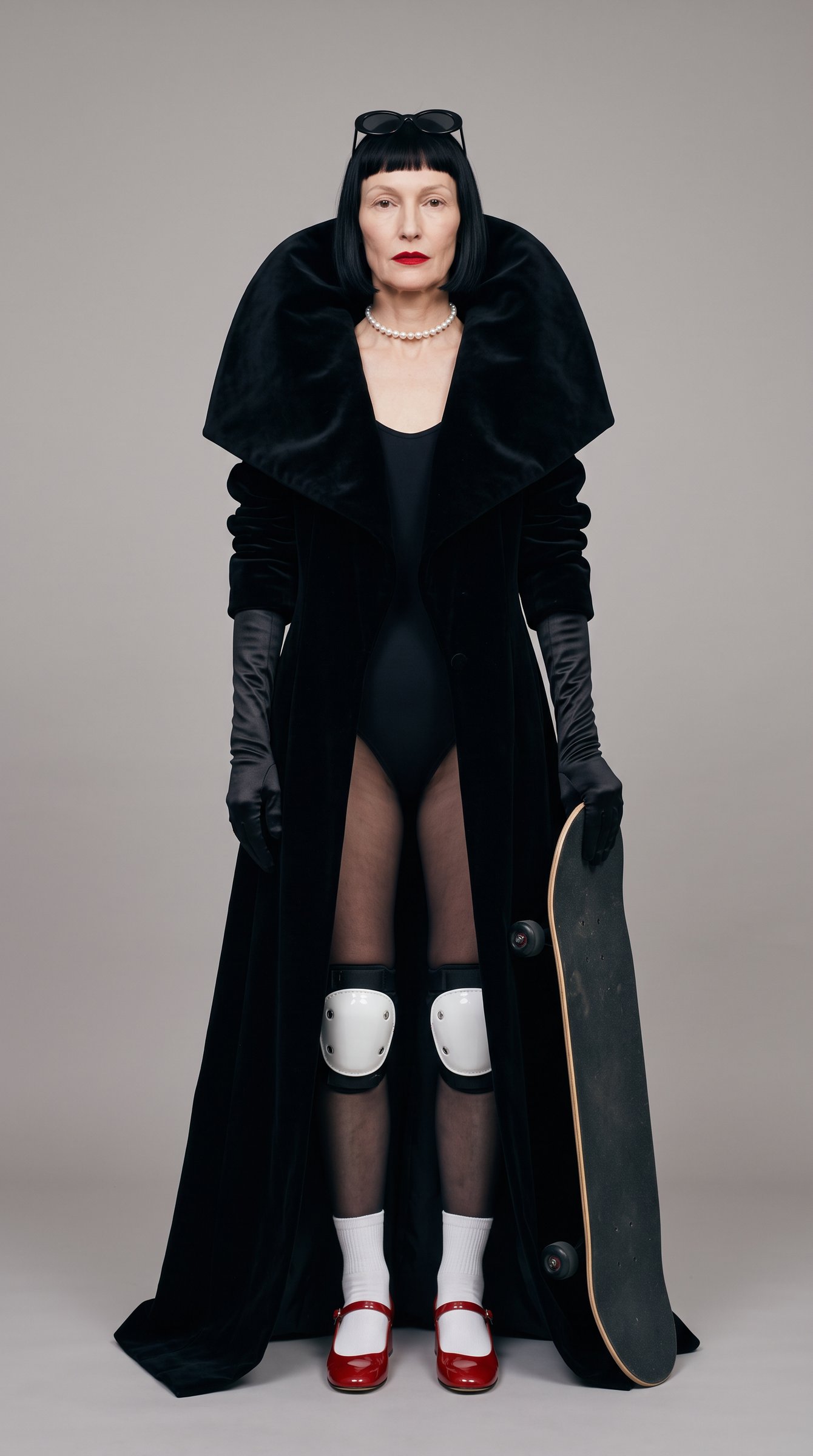
Odile has five codes that never change: the black bob, the red lip, oval sunglasses, pearls and white socks. Only the eyes change, a numbered look every episode, so she reads from a thumbnail.
- 03
One impossible thing
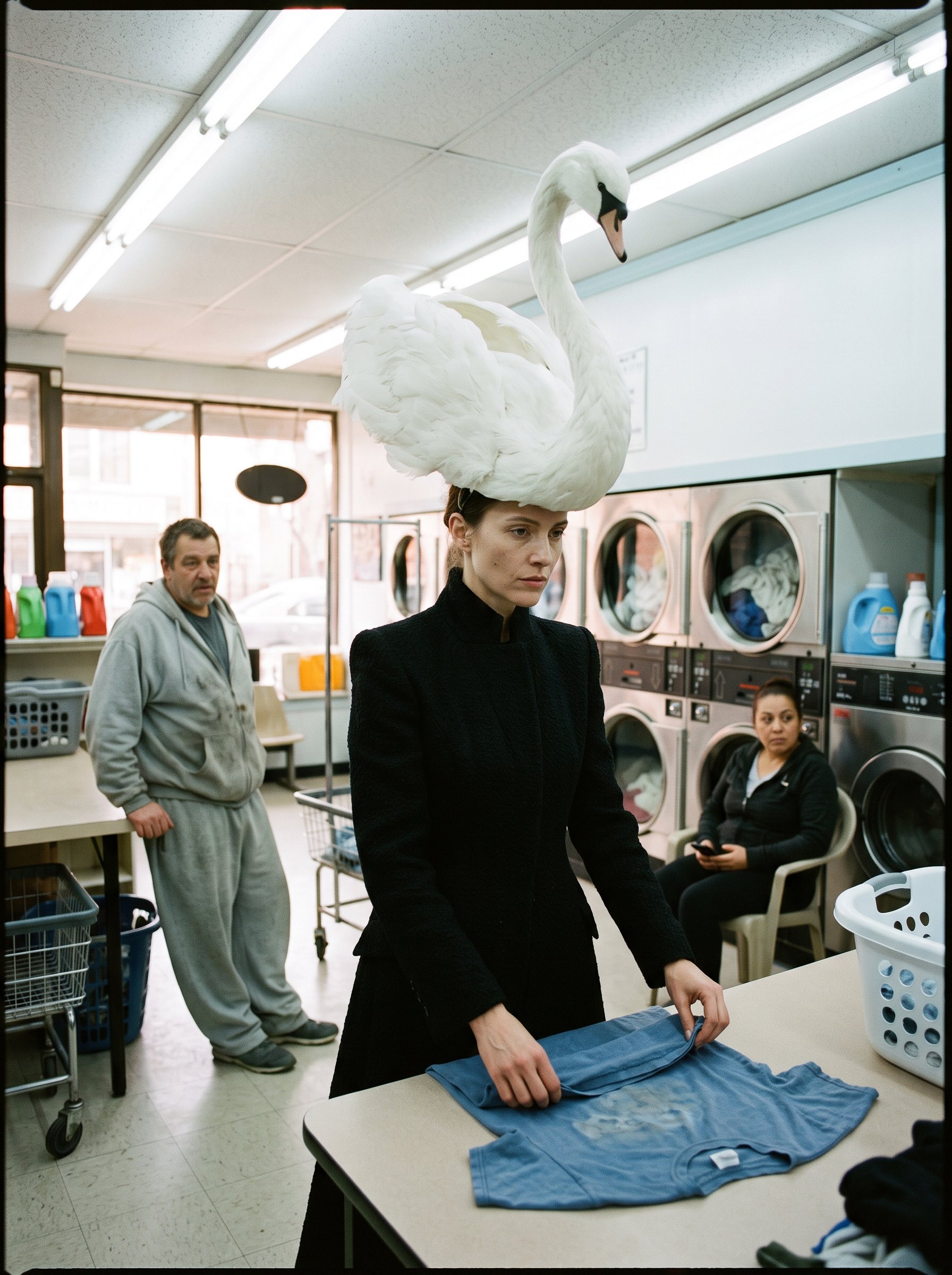
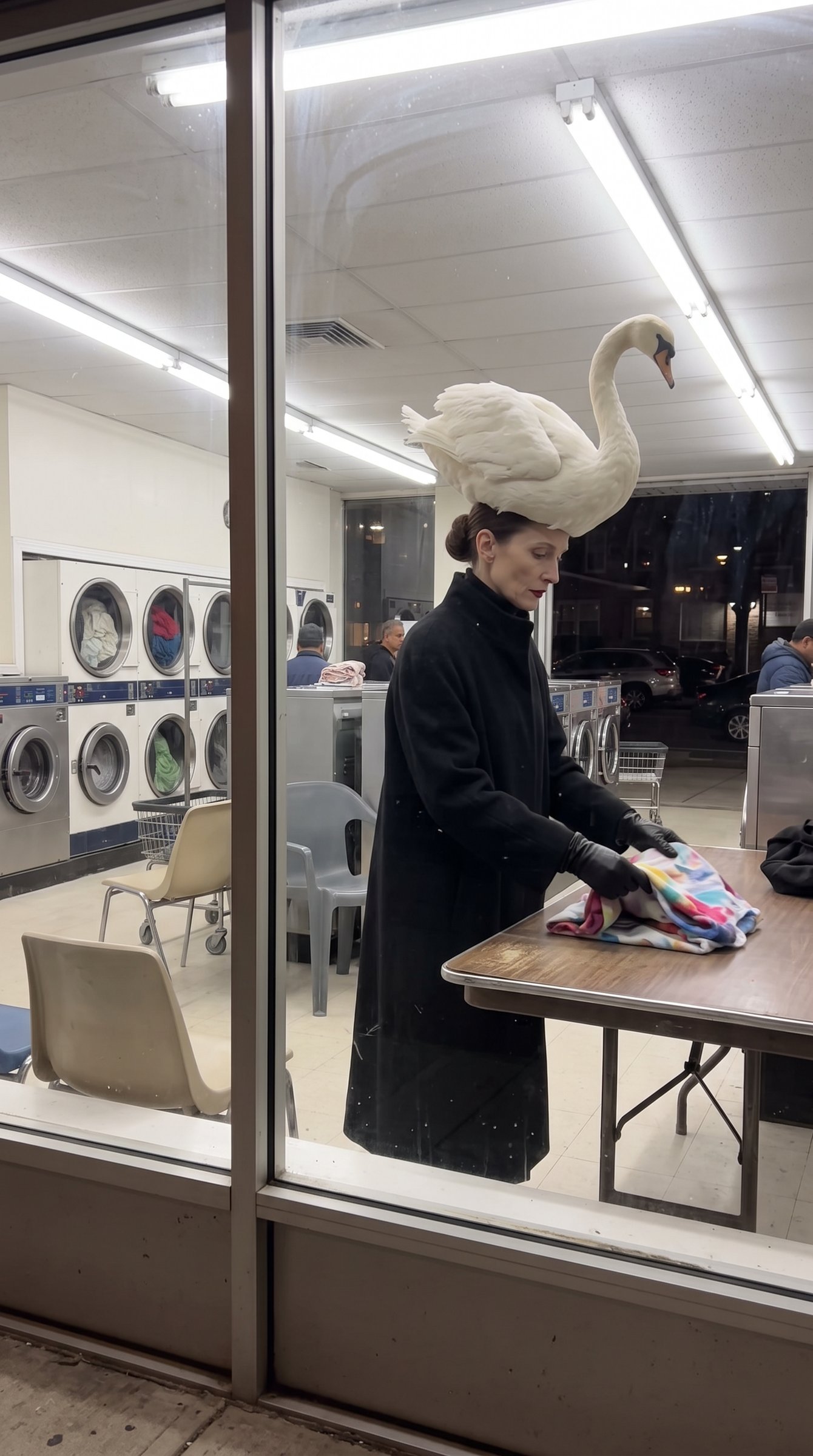
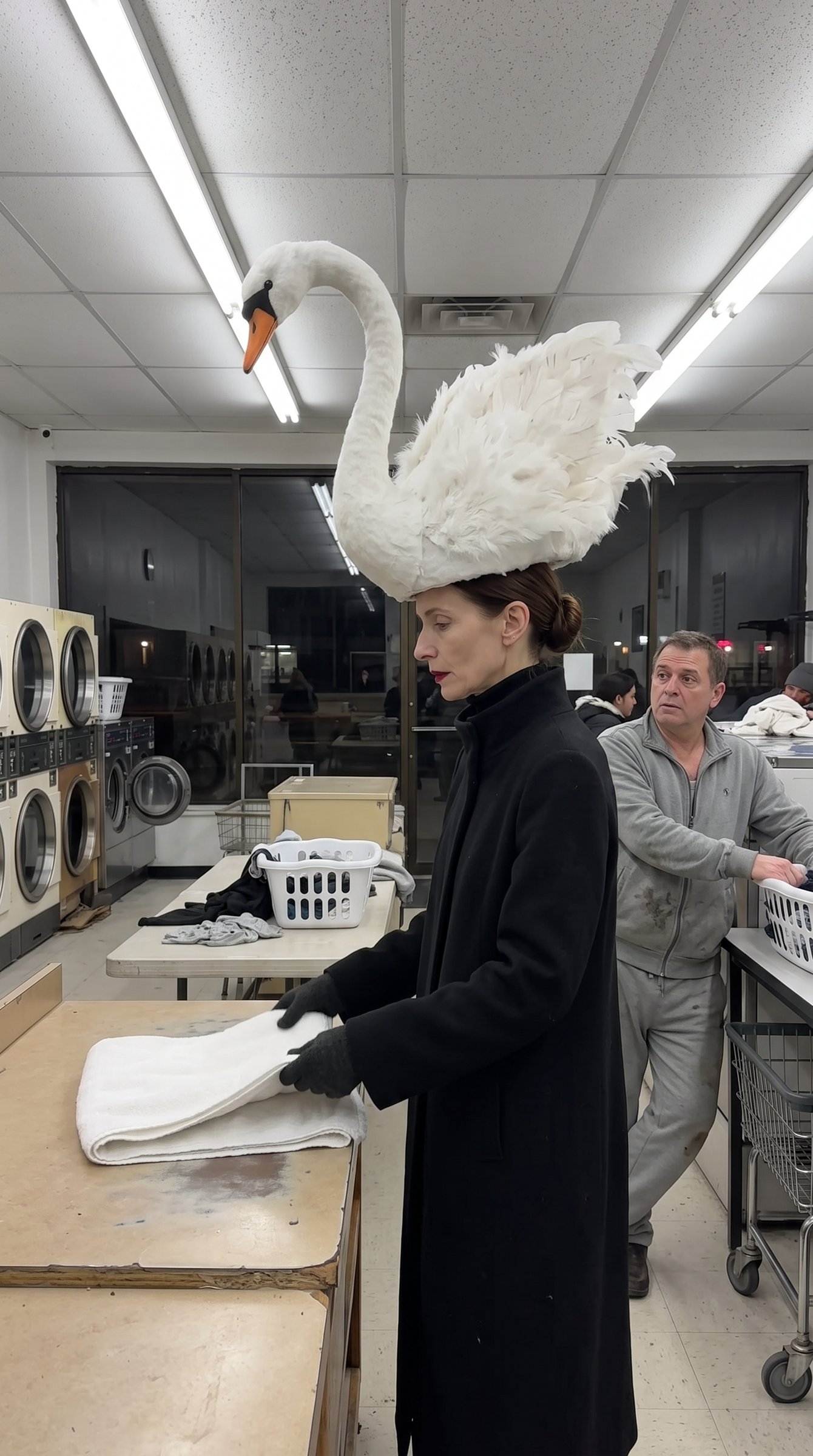
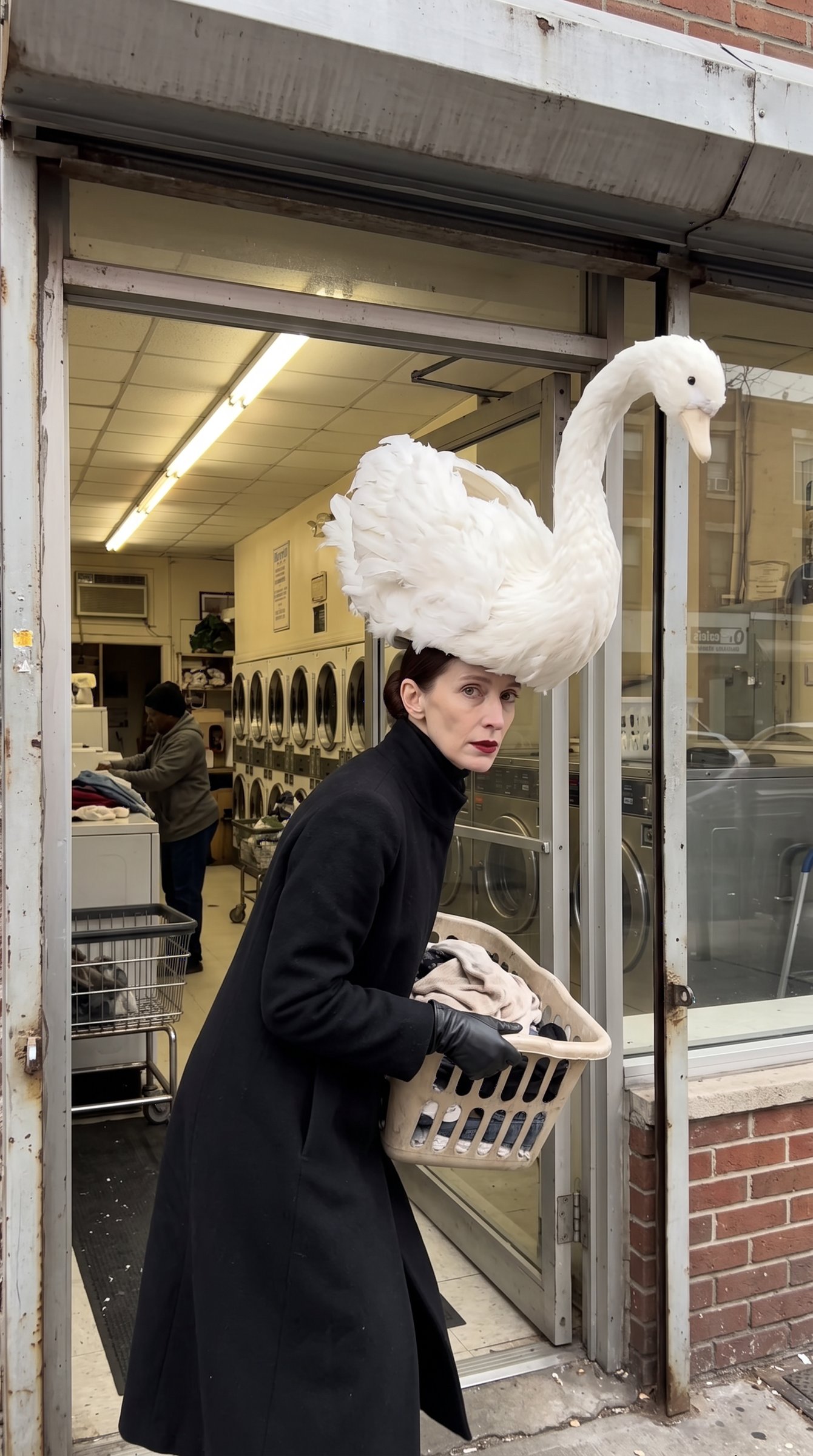
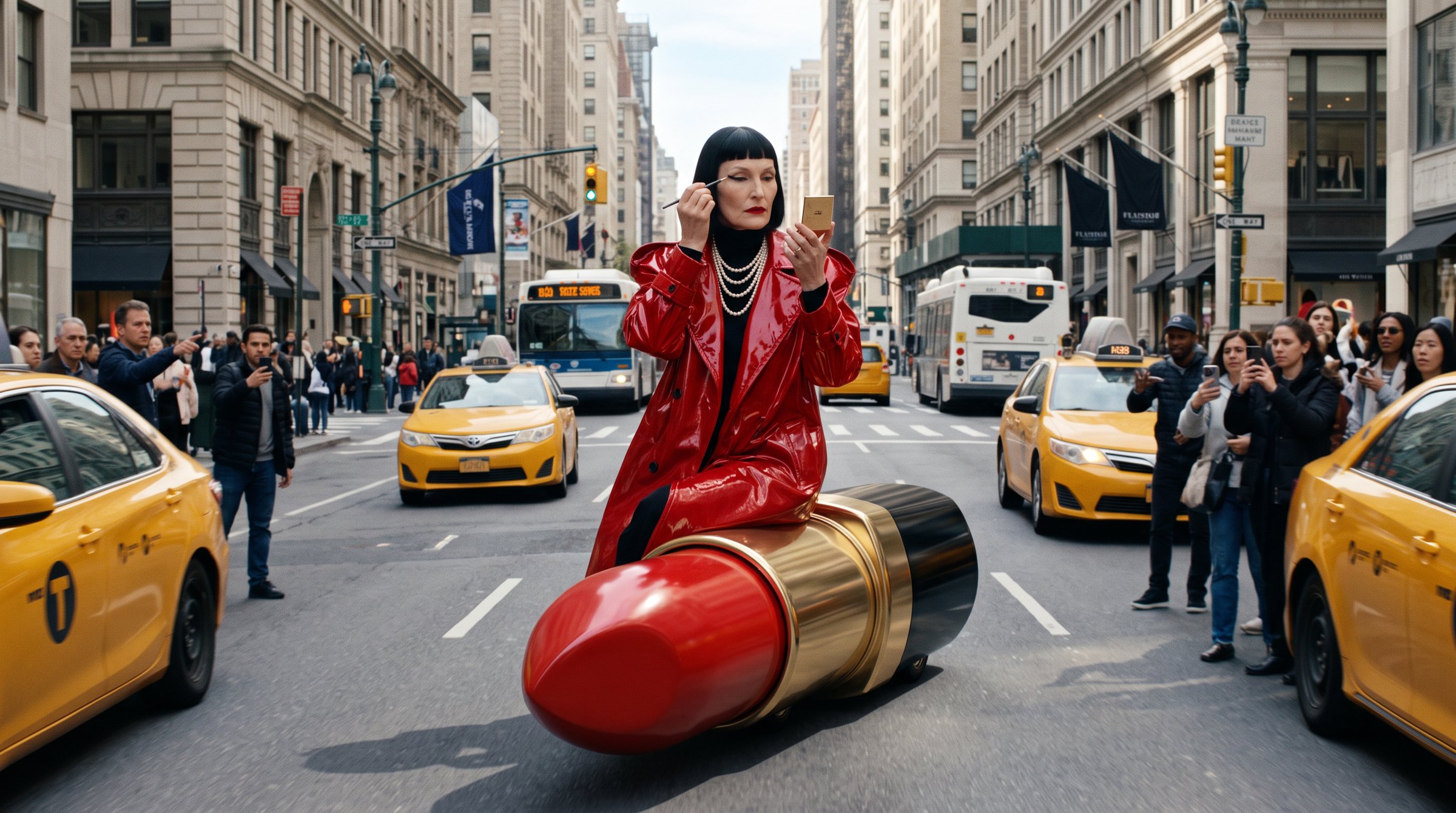
Everything is real except one thing: a swan hat at the laundromat, a giant lipstick on Fifth Avenue, your own skeleton at the museum. The characters never break. The world does the comedy.
- 04
References from the archive, finished by hand
I brief from art and fashion history, not the feed: Saul Leiter, Bill Cunningham and Jacques Tati for Les Passantes; Buster Keaton, Magritte and Guy Bourdin for Odile; Jean-Paul Goude and Eiko Ishioka for the House. The finish is by hand: end cards in my lettering and a face chart for every look.
Les Passantes
In which everything is real except her.
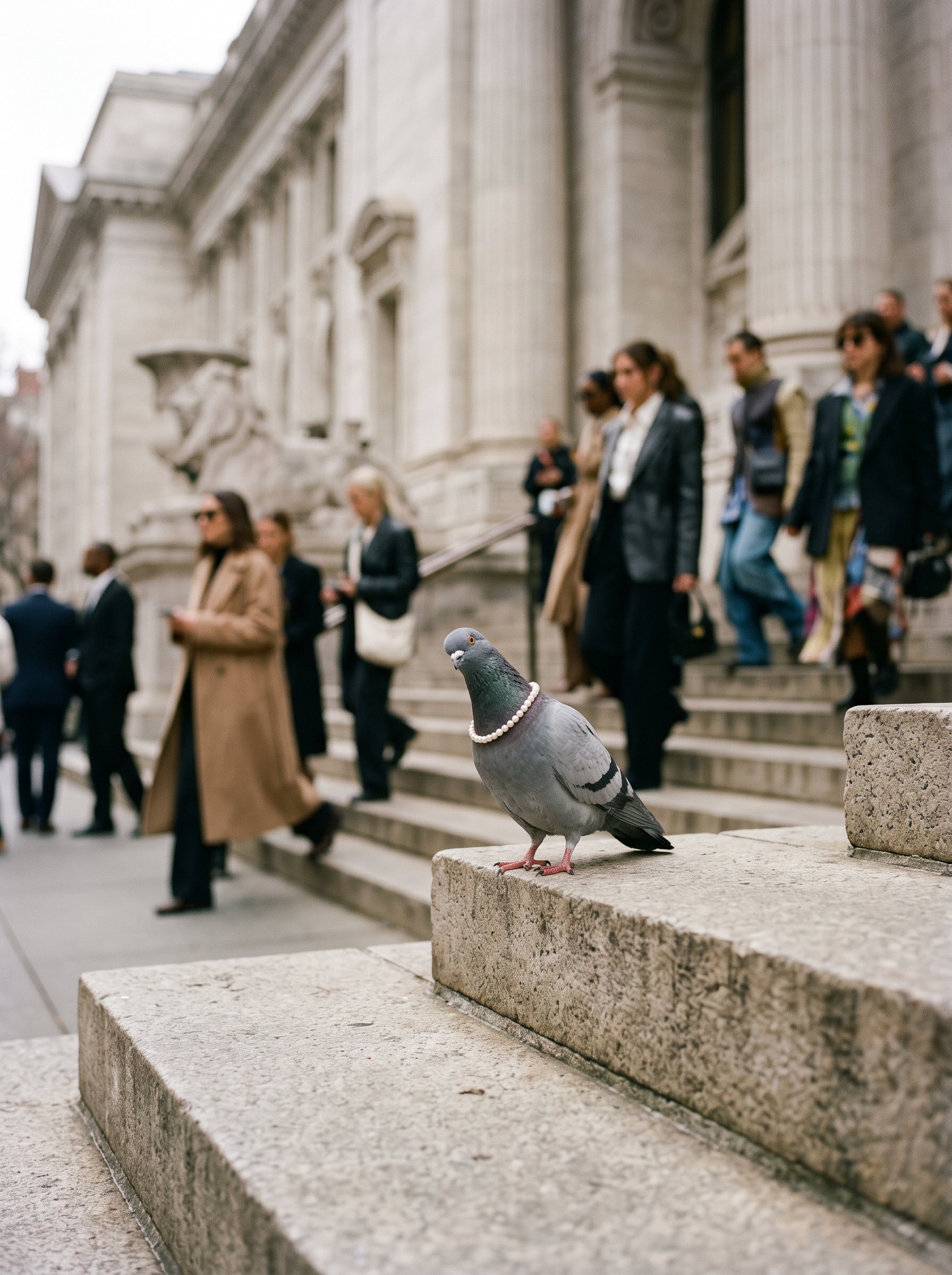
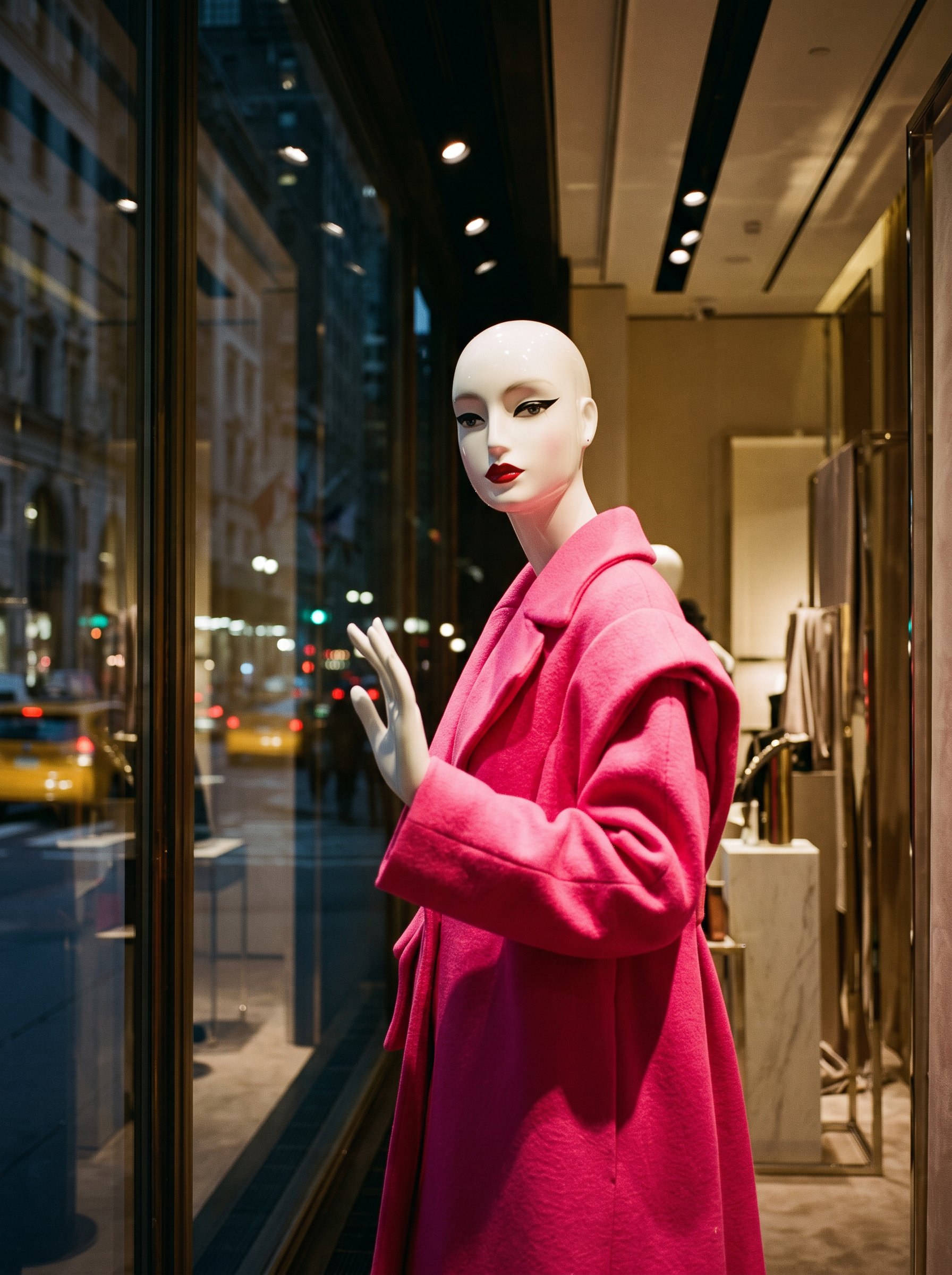
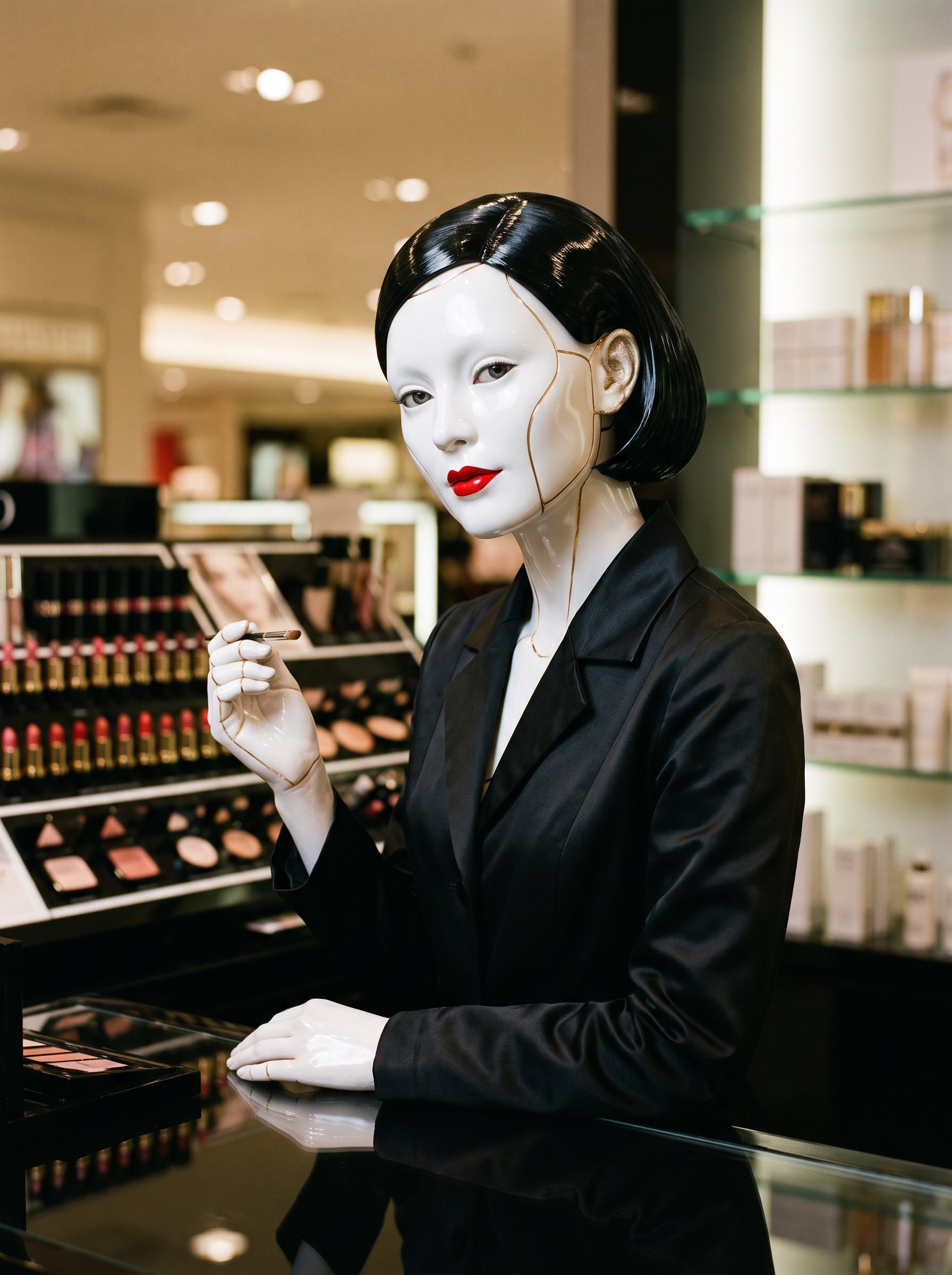
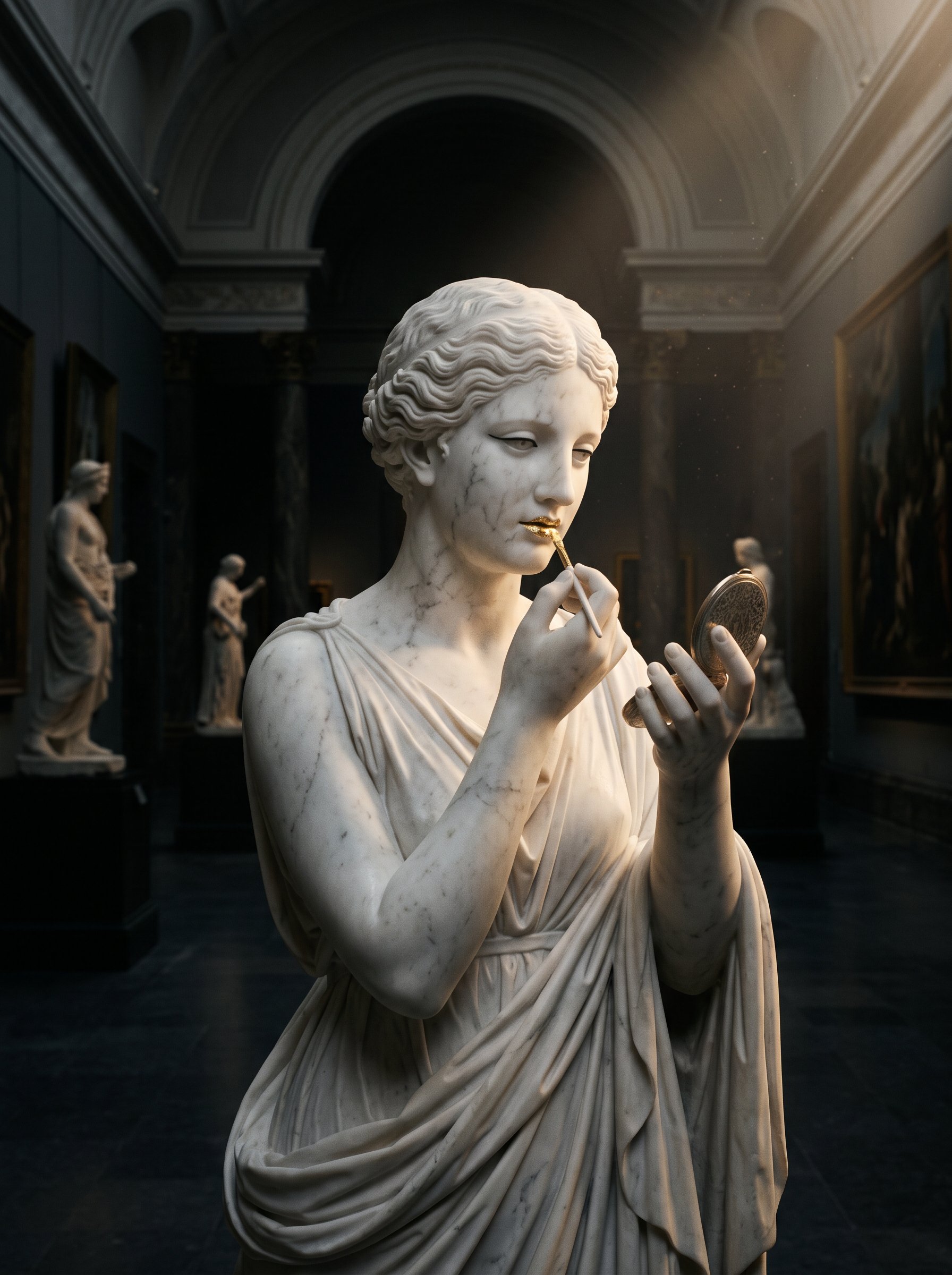
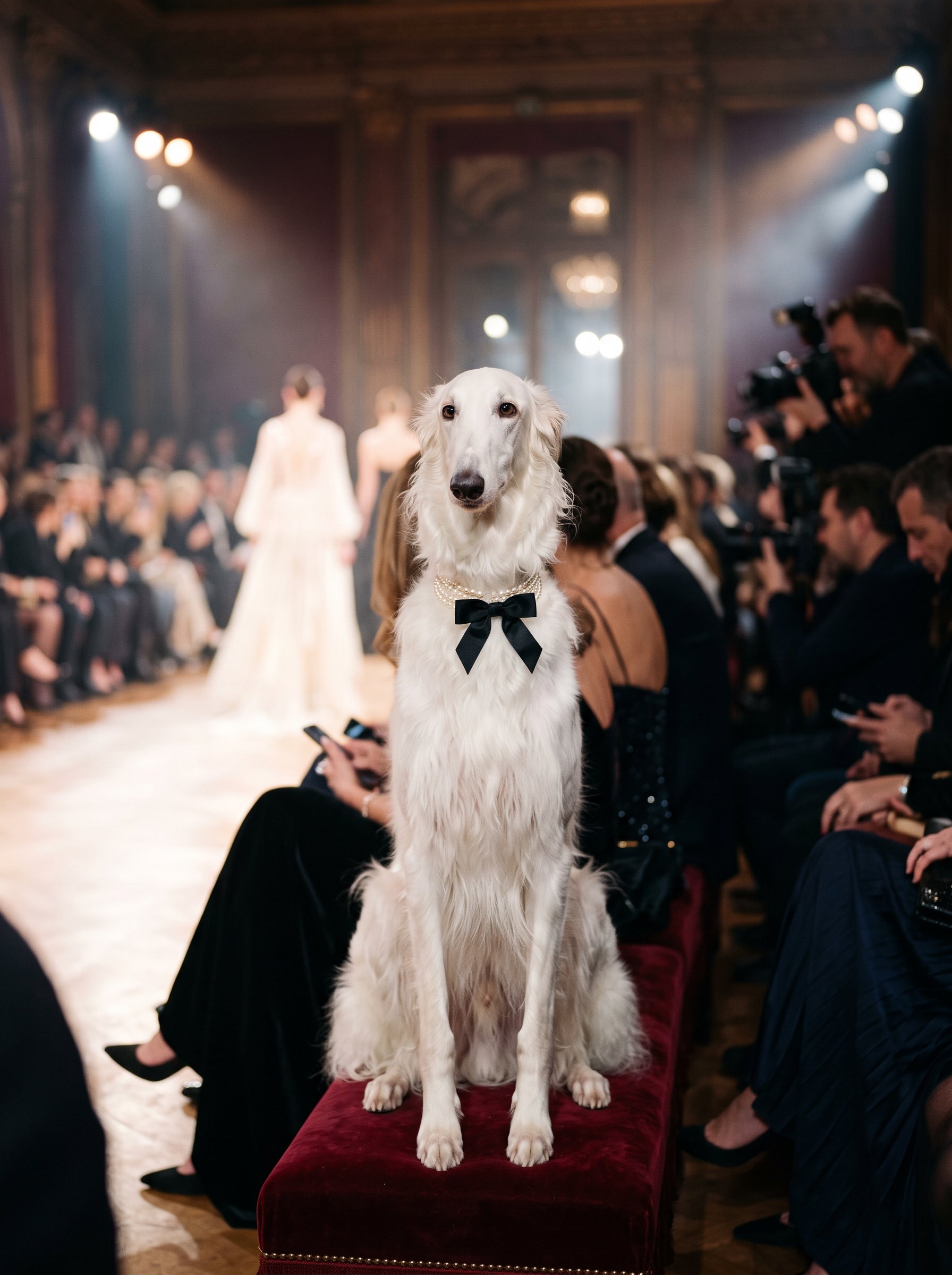
My series of strange, beautiful women passing through ordinary city life, made for TikTok and Reels. I cast it like a film: 88 characters, each on her own casting page with a one line story and a run of episodes. She is the only impossible thing in the frame, and nobody makes a fuss.
The direction
Shot as if a stranger caught it on the street: a passerby’s phone, not a film crew, eye level, sometimes a long lens from across the street. Natural light and a muted city palette, so her one color does all the work. 8 to 15 seconds, one action, one beat, cut, and one glance to camera at the very end. Real street sound and a four note piano sting. My references: Bill Cunningham, Saul Leiter, Jacques Tati’s Playtime, Roy Andersson. The test: would a stranger believe someone filmed this? If not, I make it again.
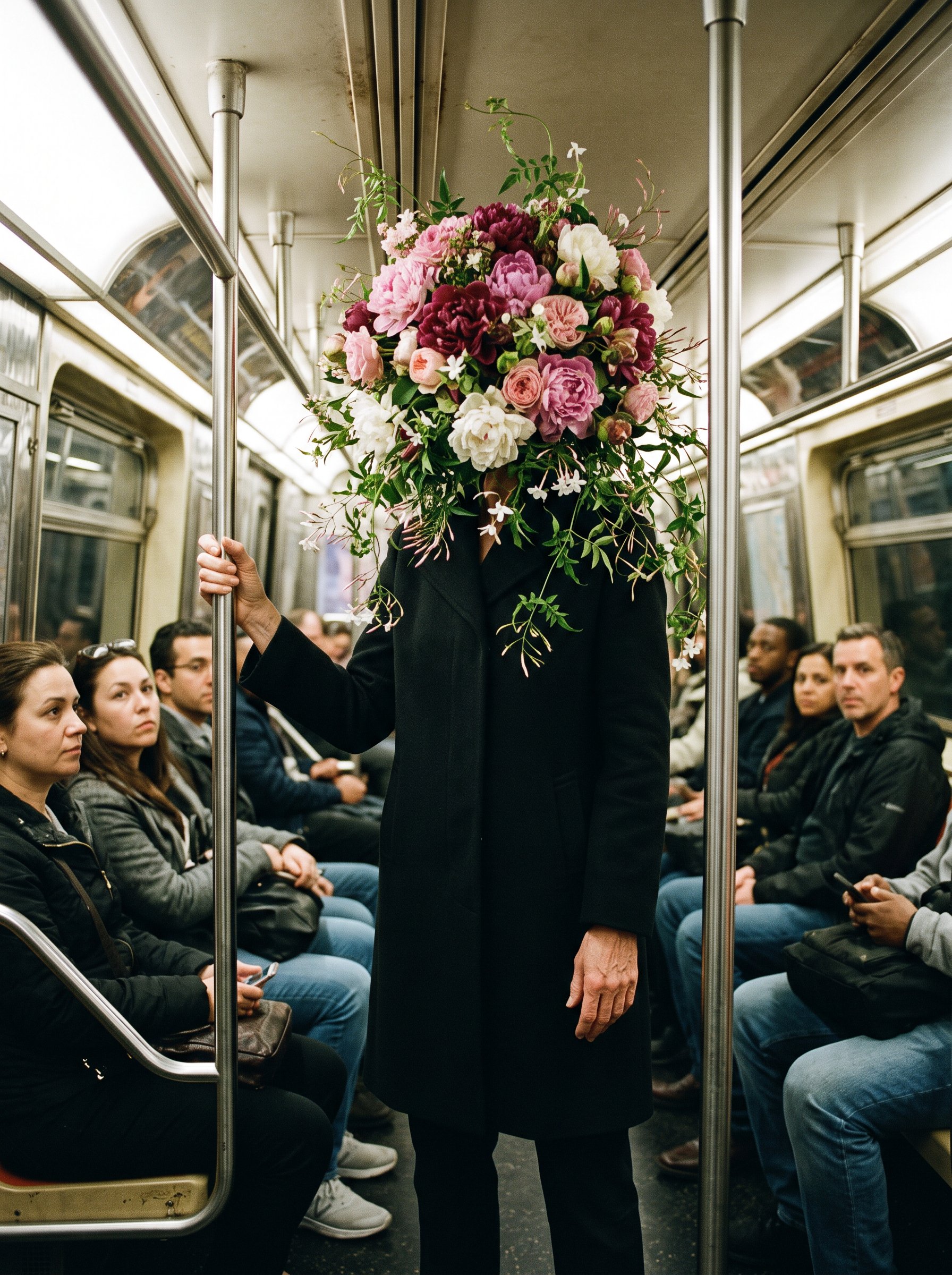
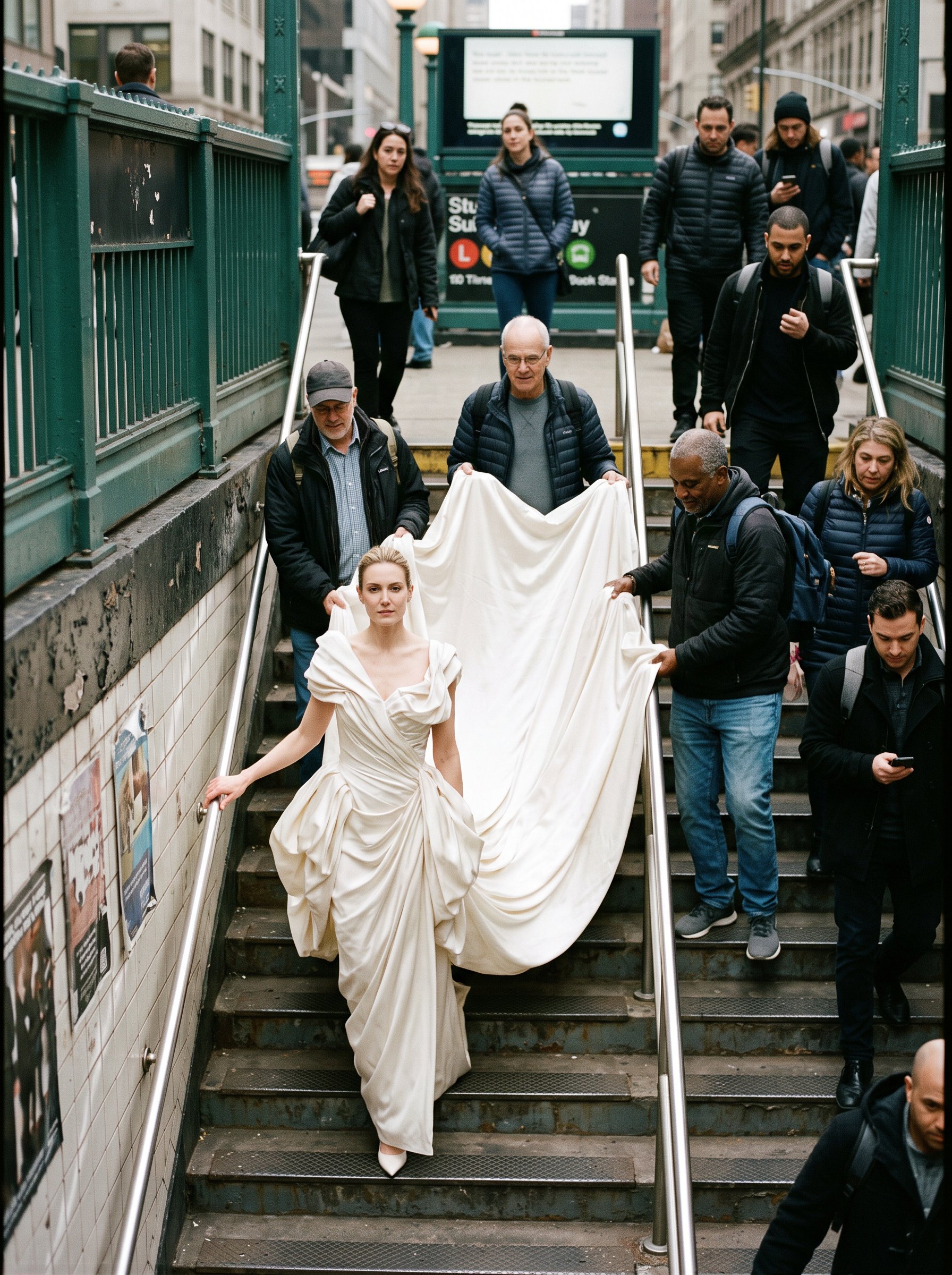
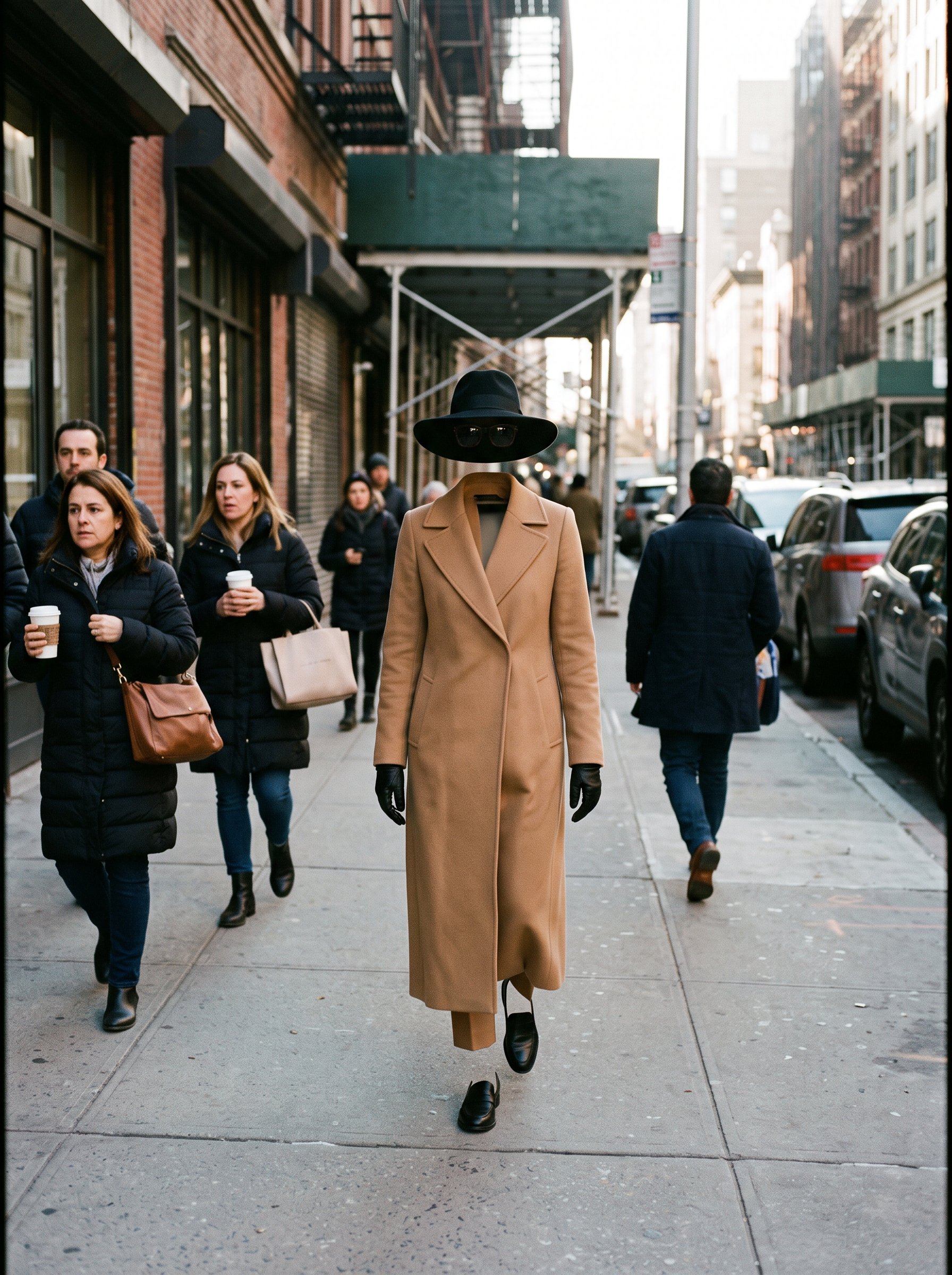
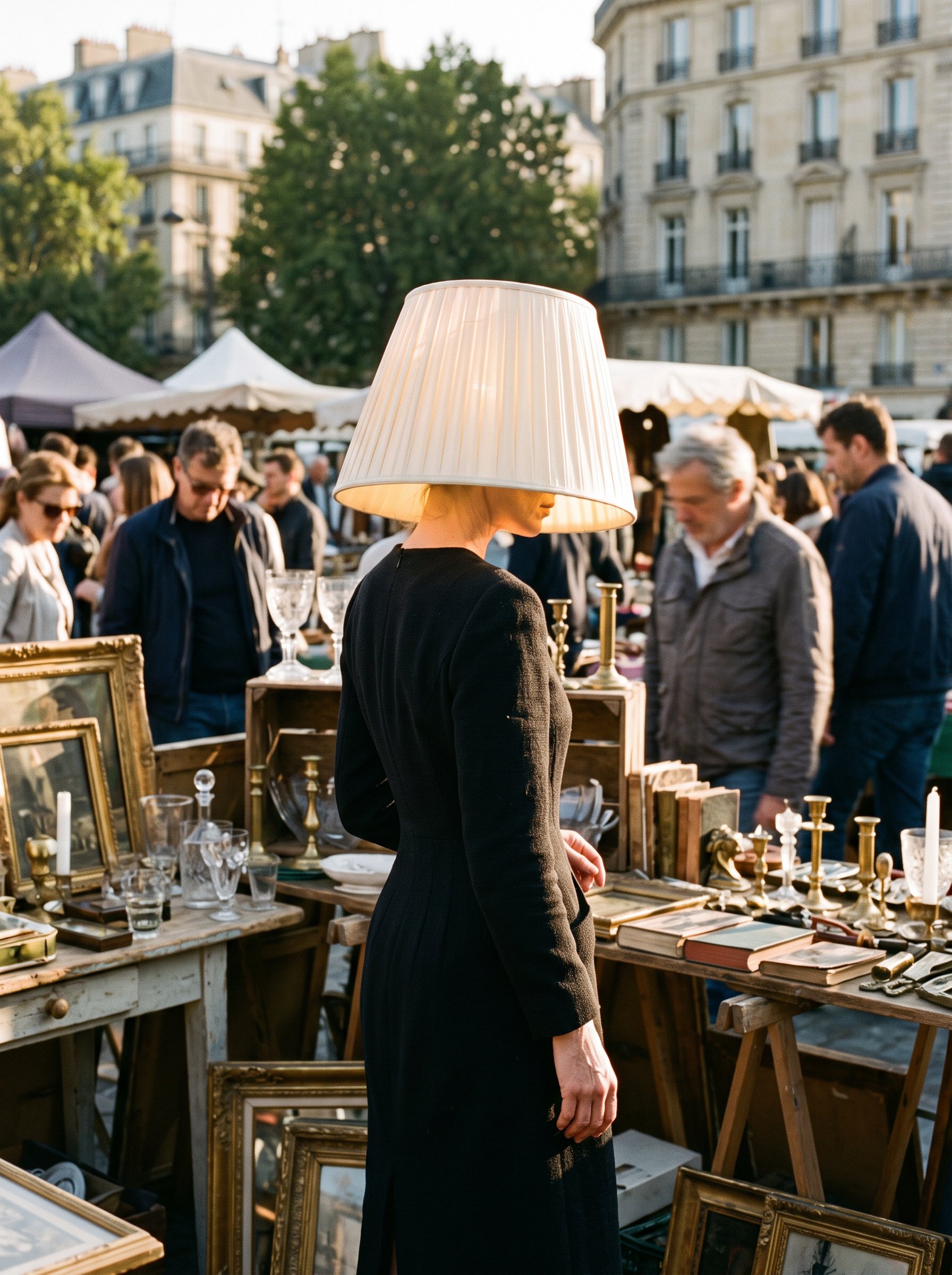
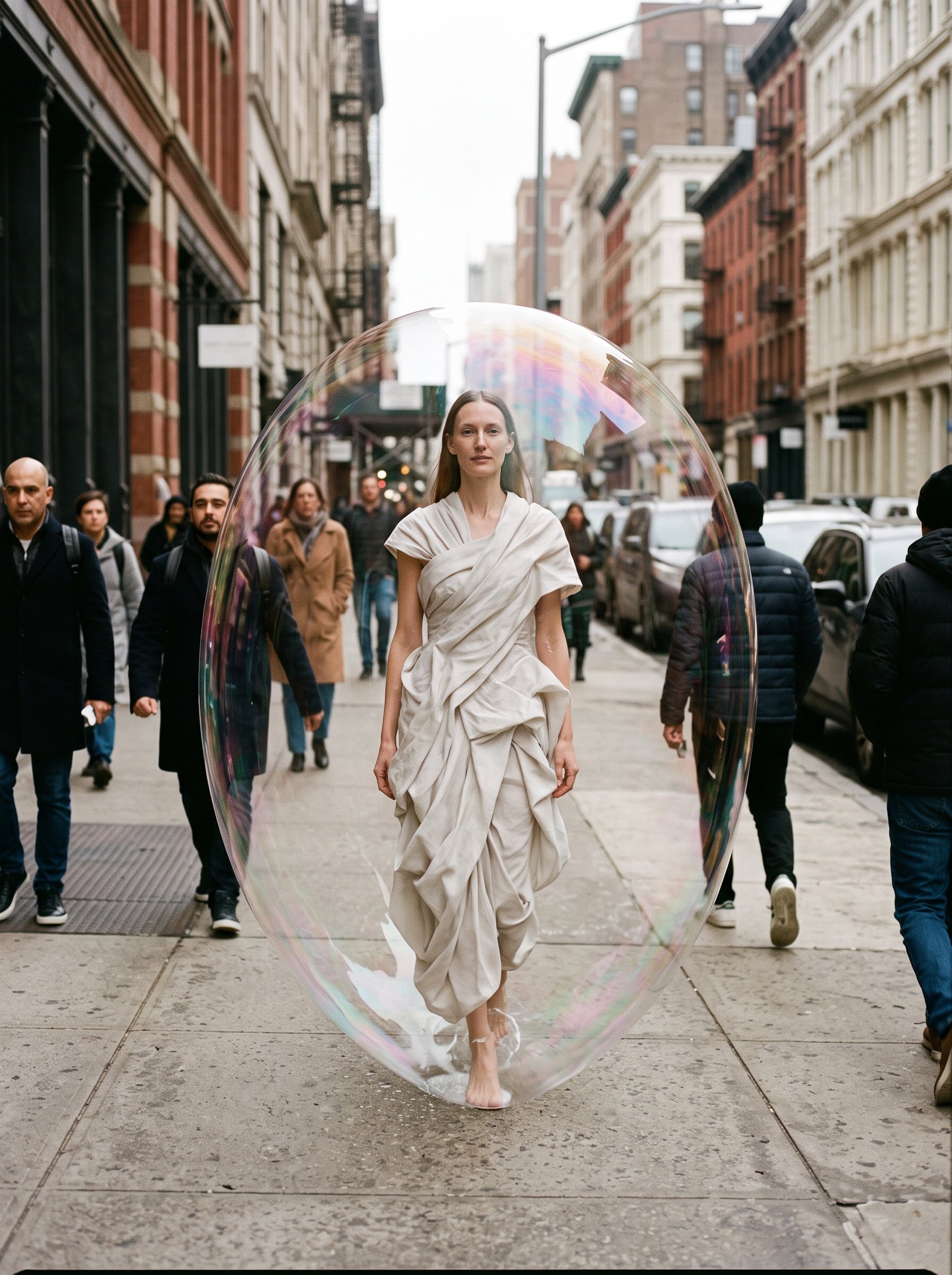
Babette, Episode 01
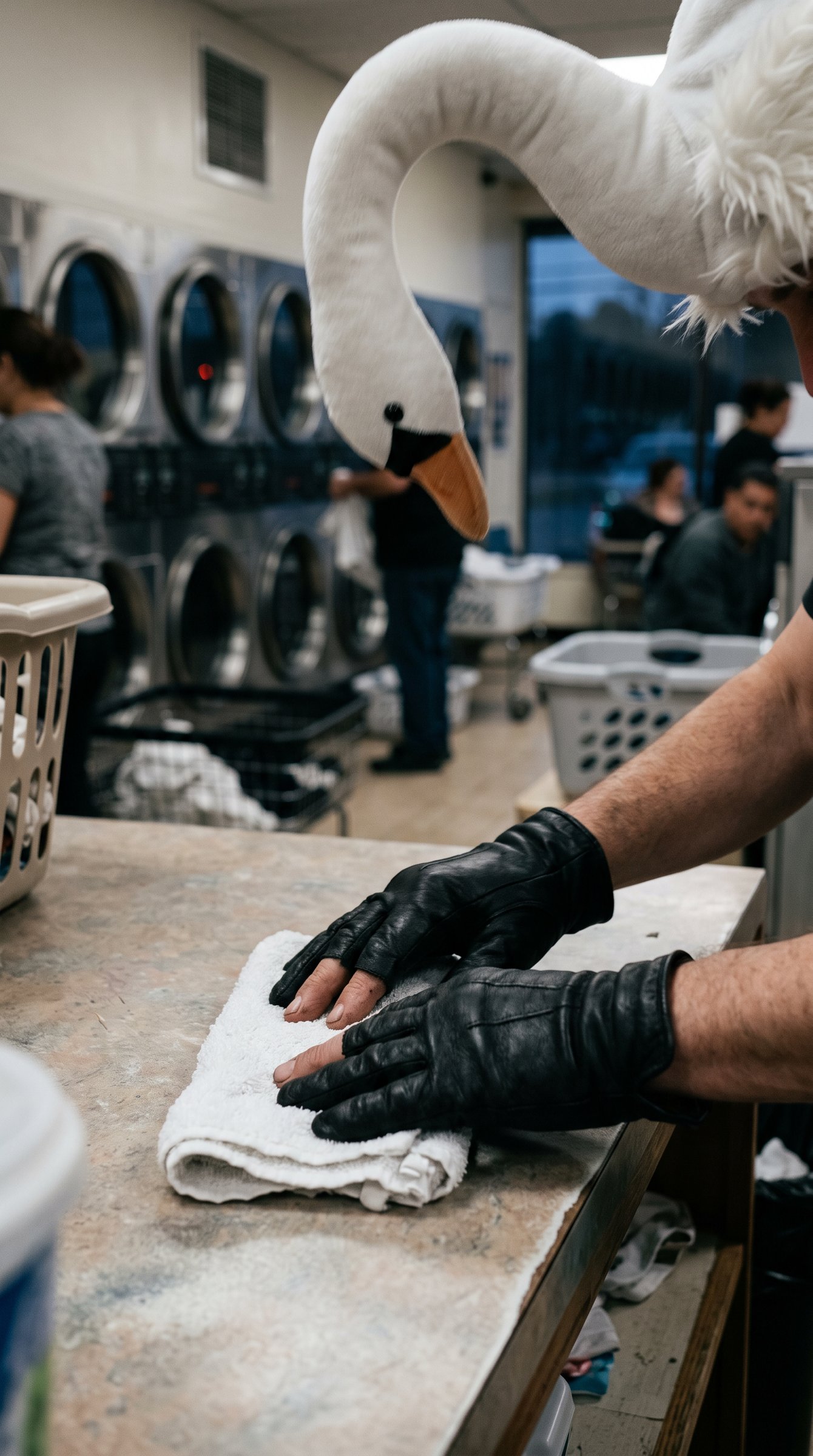
The Swan. One line on screen: Babette. Laundromat, Tuesday. She folds laundry in a swan and nobody inside reacts. The man beside her looks up at it, then back at his phone. She ducks the swan under the door frame and looks at us. Cut.
Odile, the lead
Odile is ageless, a retired ballerina in a red patent trench who never speaks. Every episode she does a flawless look somewhere nobody could, the front row of a rollercoaster, a Vespa across Paris, a mechanical bull, then skates away. Each wardrobe is a season. Red Lacquer launches her.
House of Extinction
In which six supermodels are reminded they are extinct.
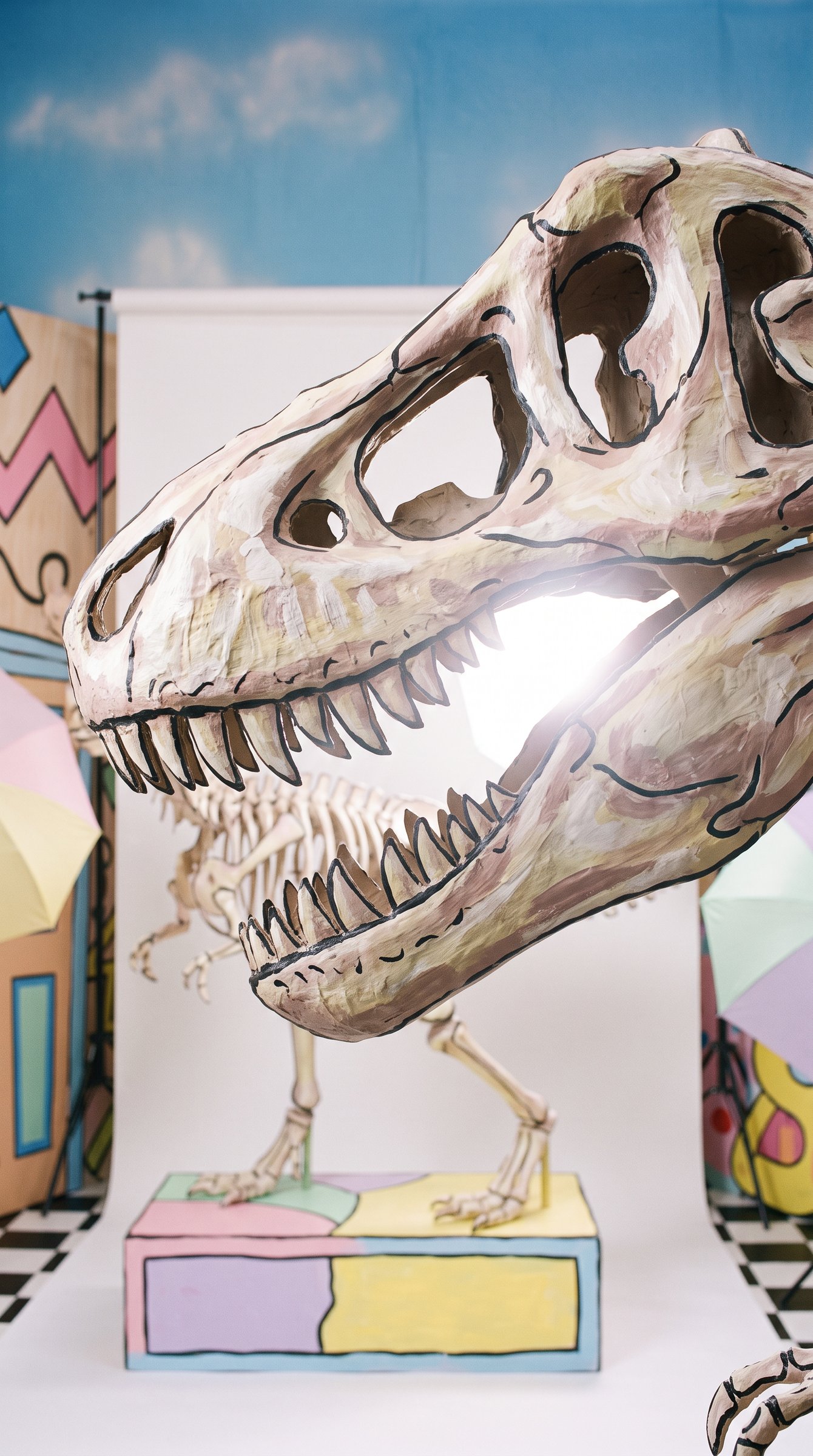
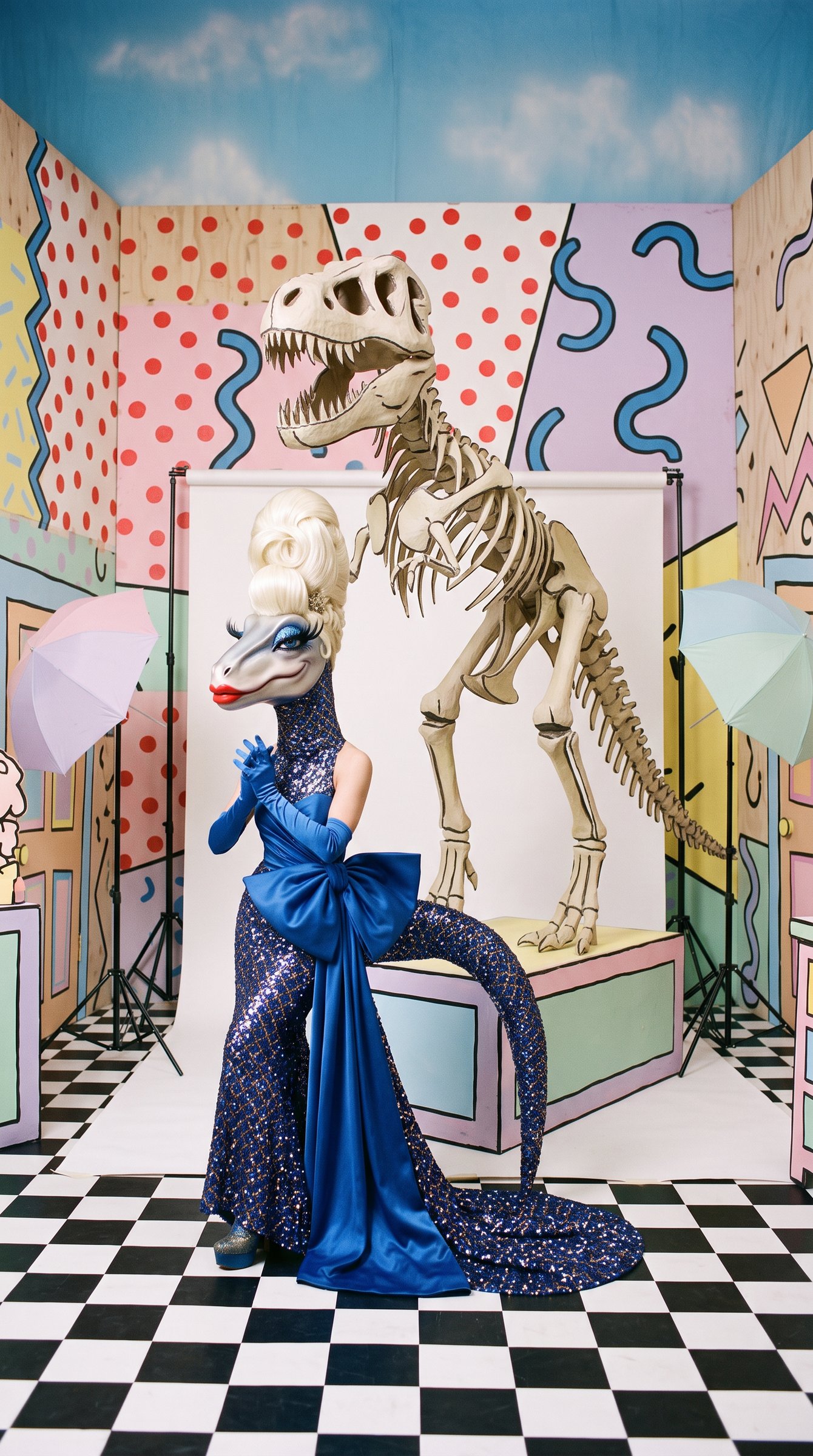
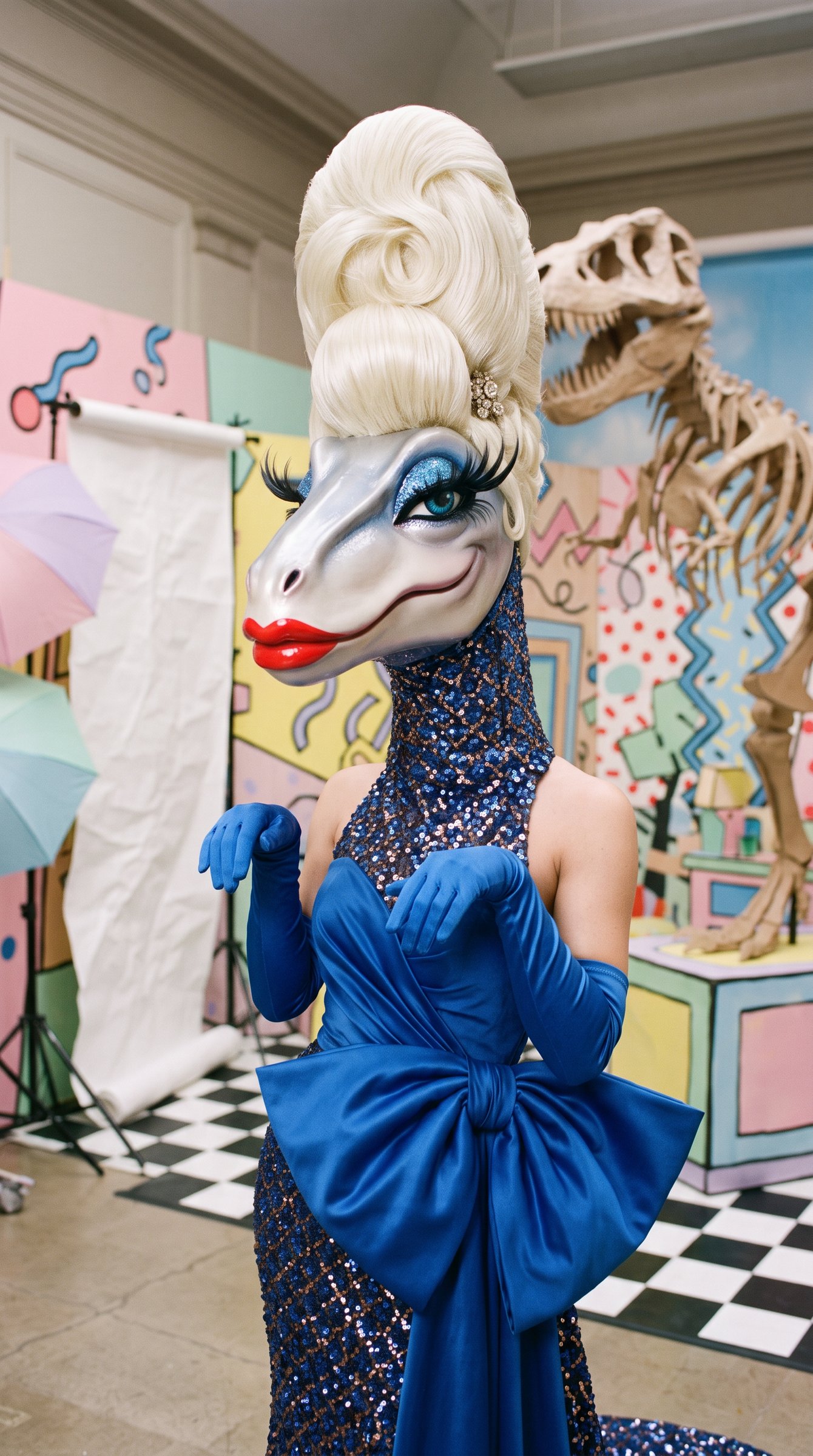
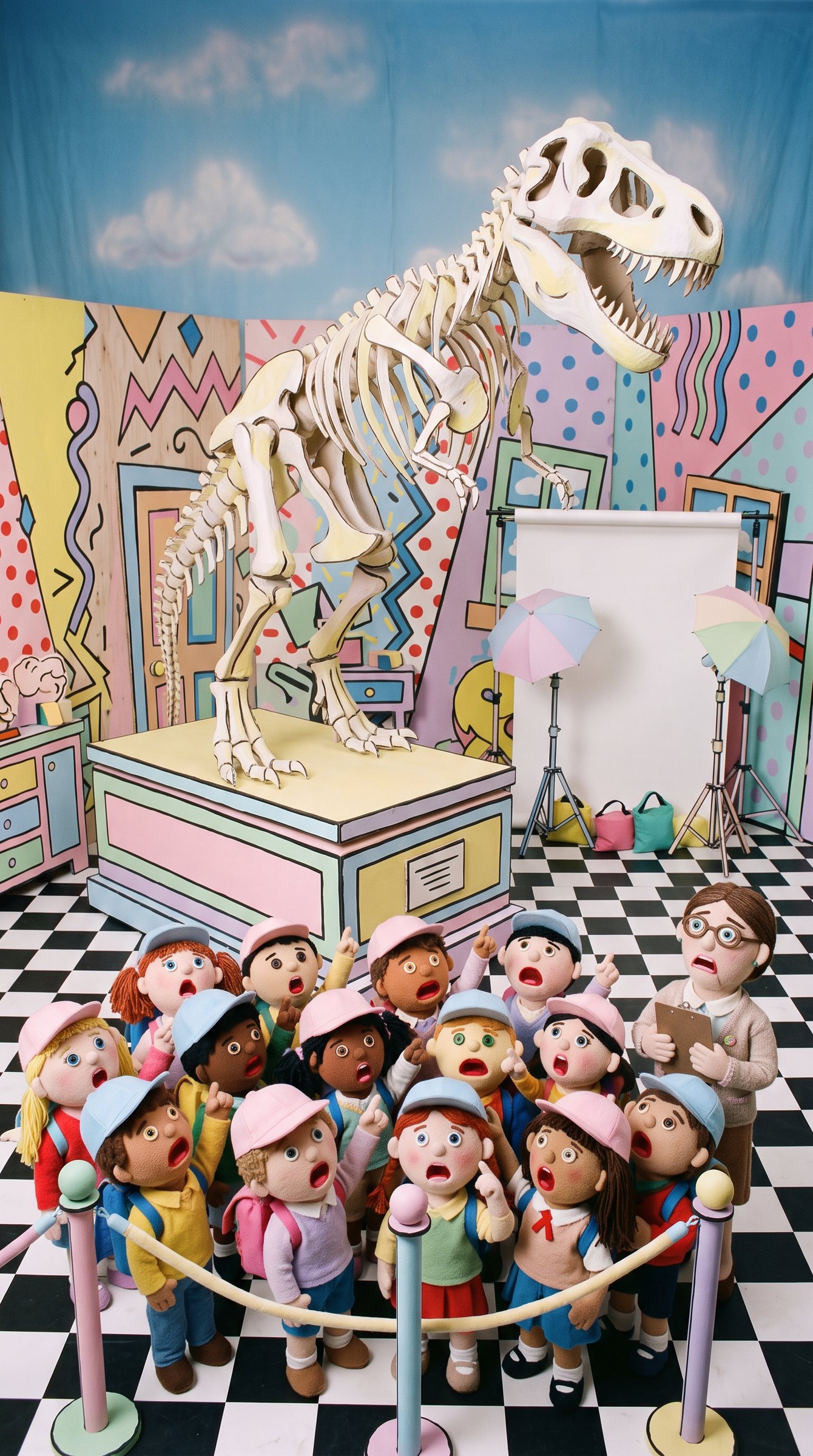
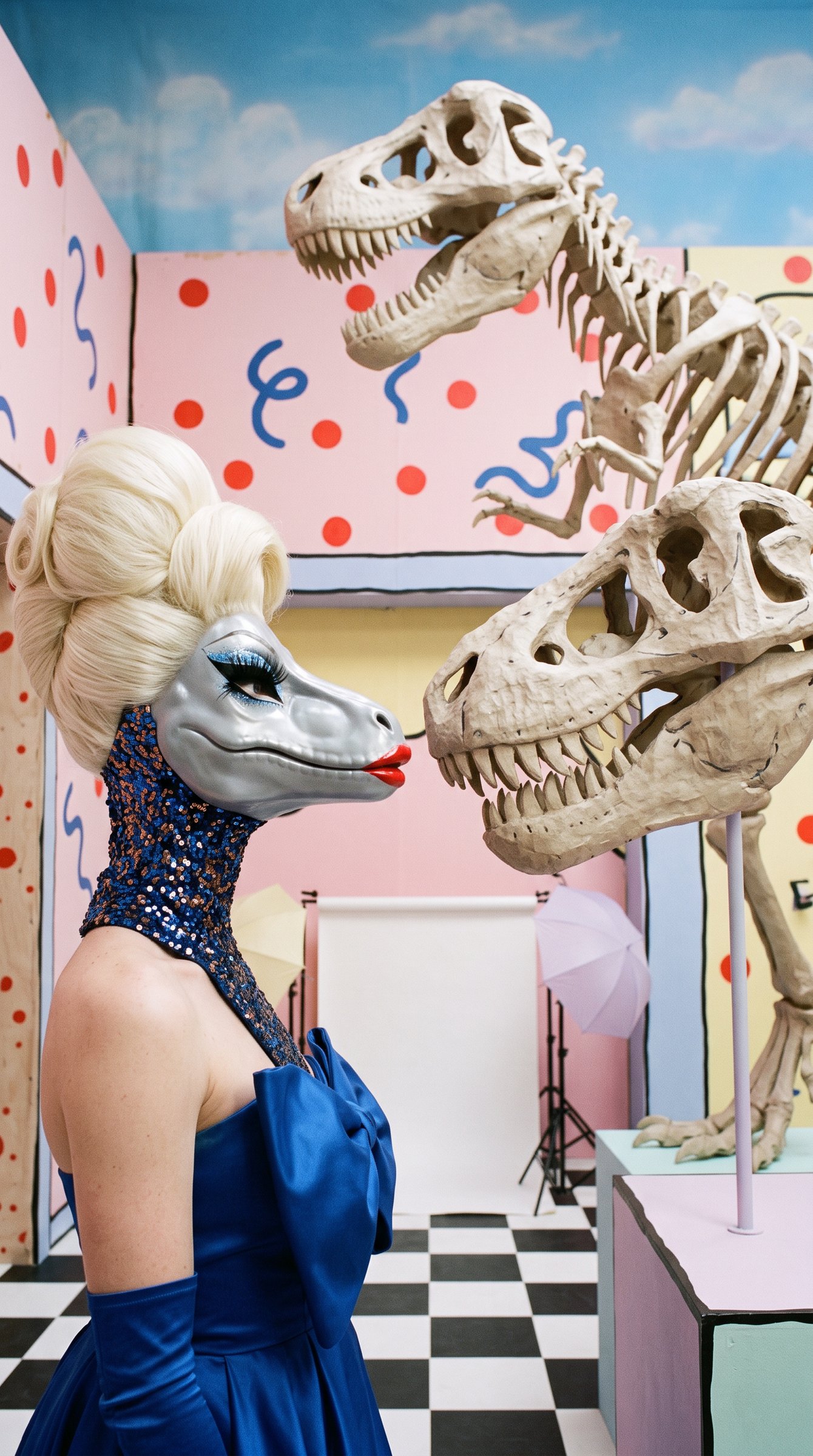
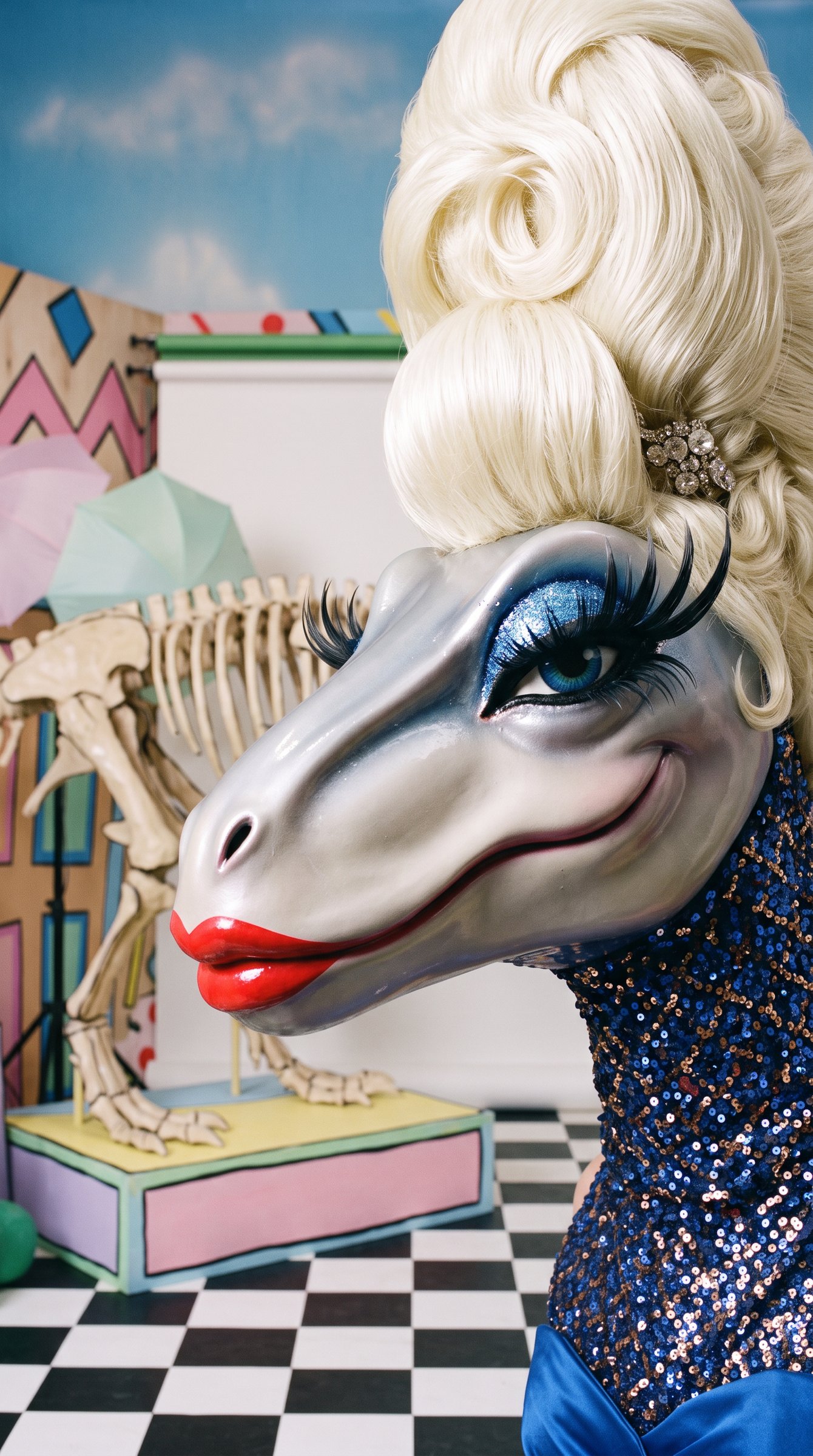
A social series of supermodel drag queen dinosaurs, photorealistic and set in the 90s. Every queen is a supermodel first. Every episode puts her somewhere ordinary and quietly reminds her that she is extinct: her own skeleton at the museum, her ancestors in the gas pump, a cousin on the Thanksgiving table. She never flinches. Home is the Playhouse, a handmade set in one soft pastel palette, shot like a fashion story on film.
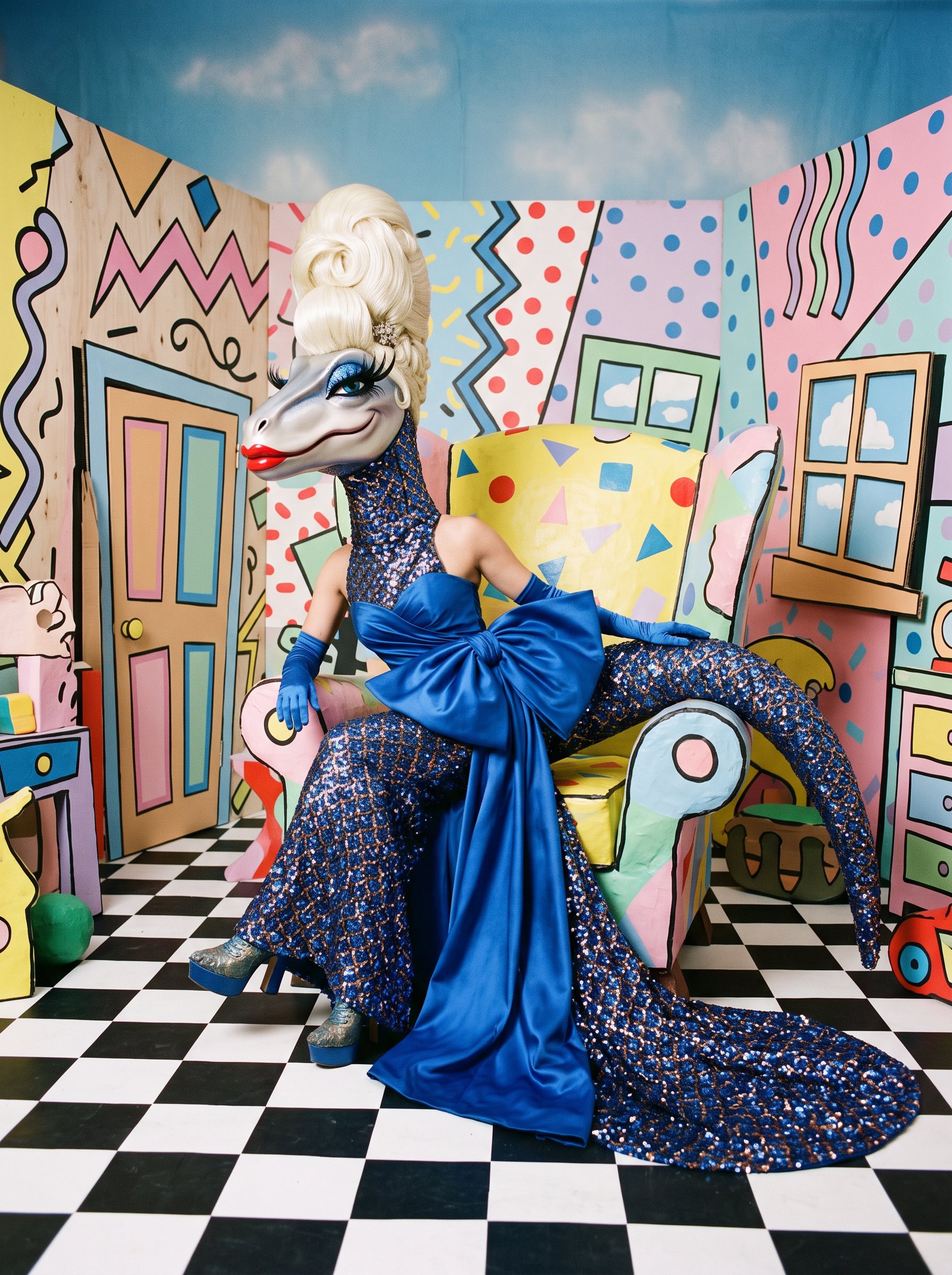
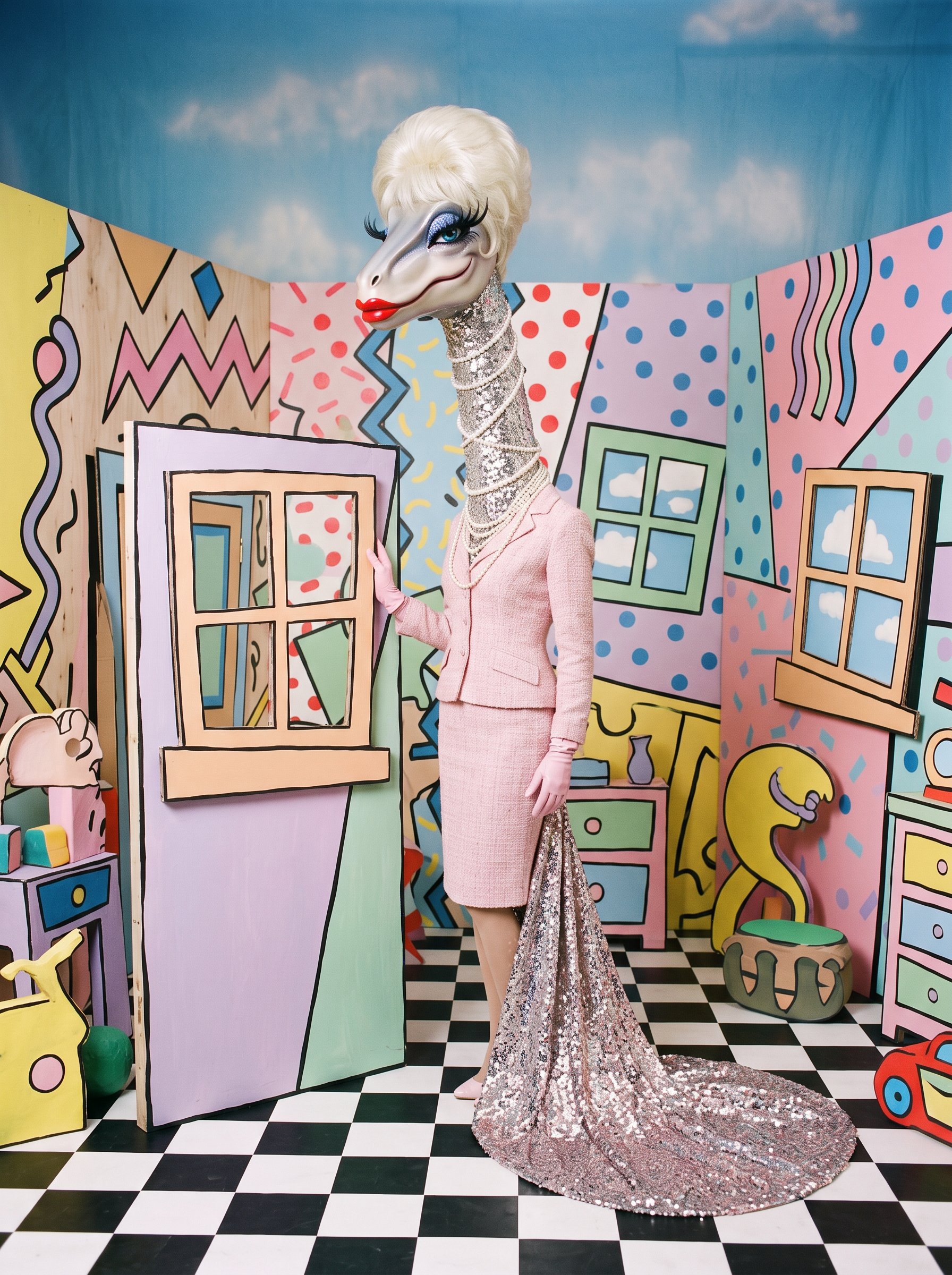
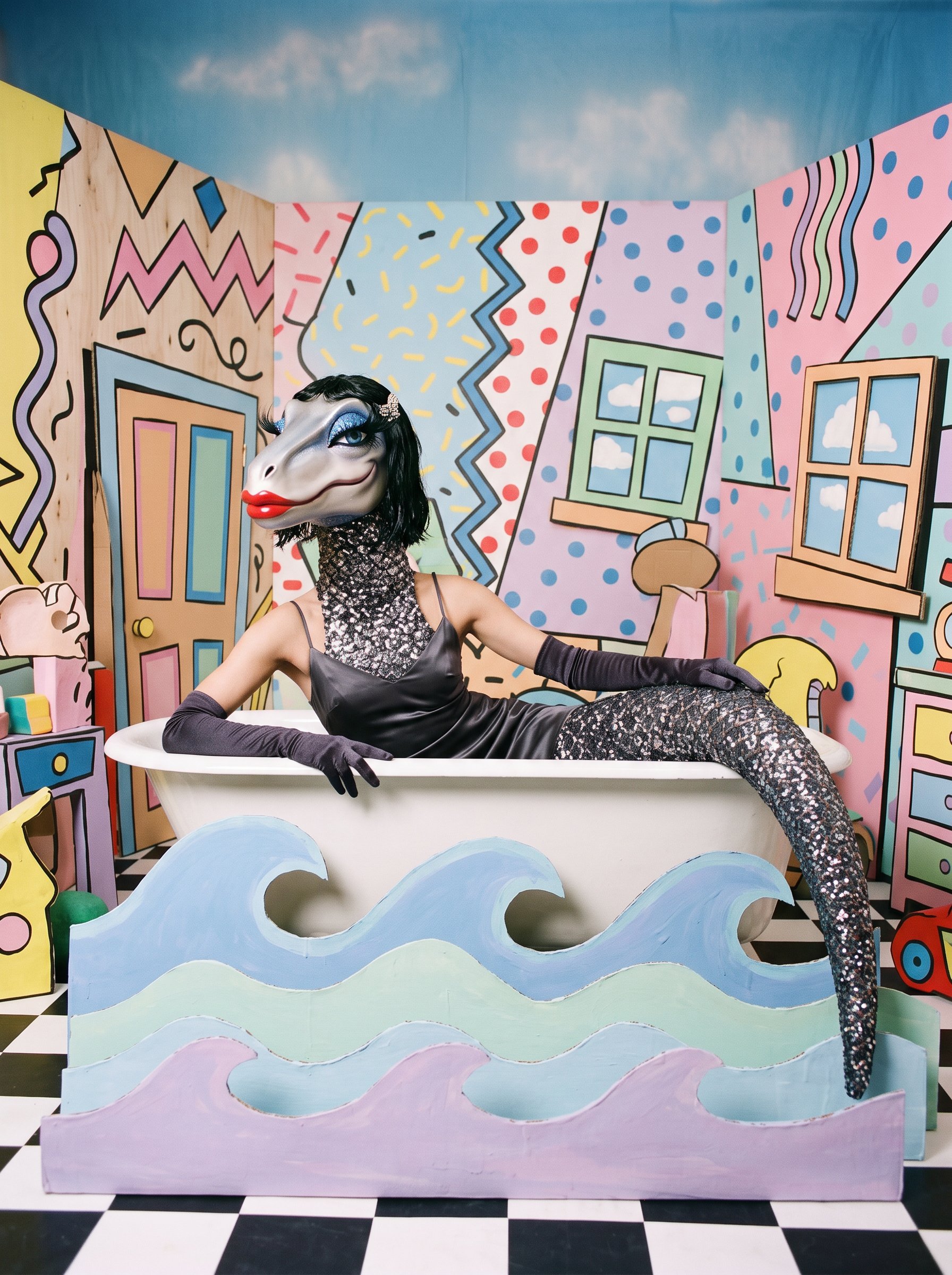
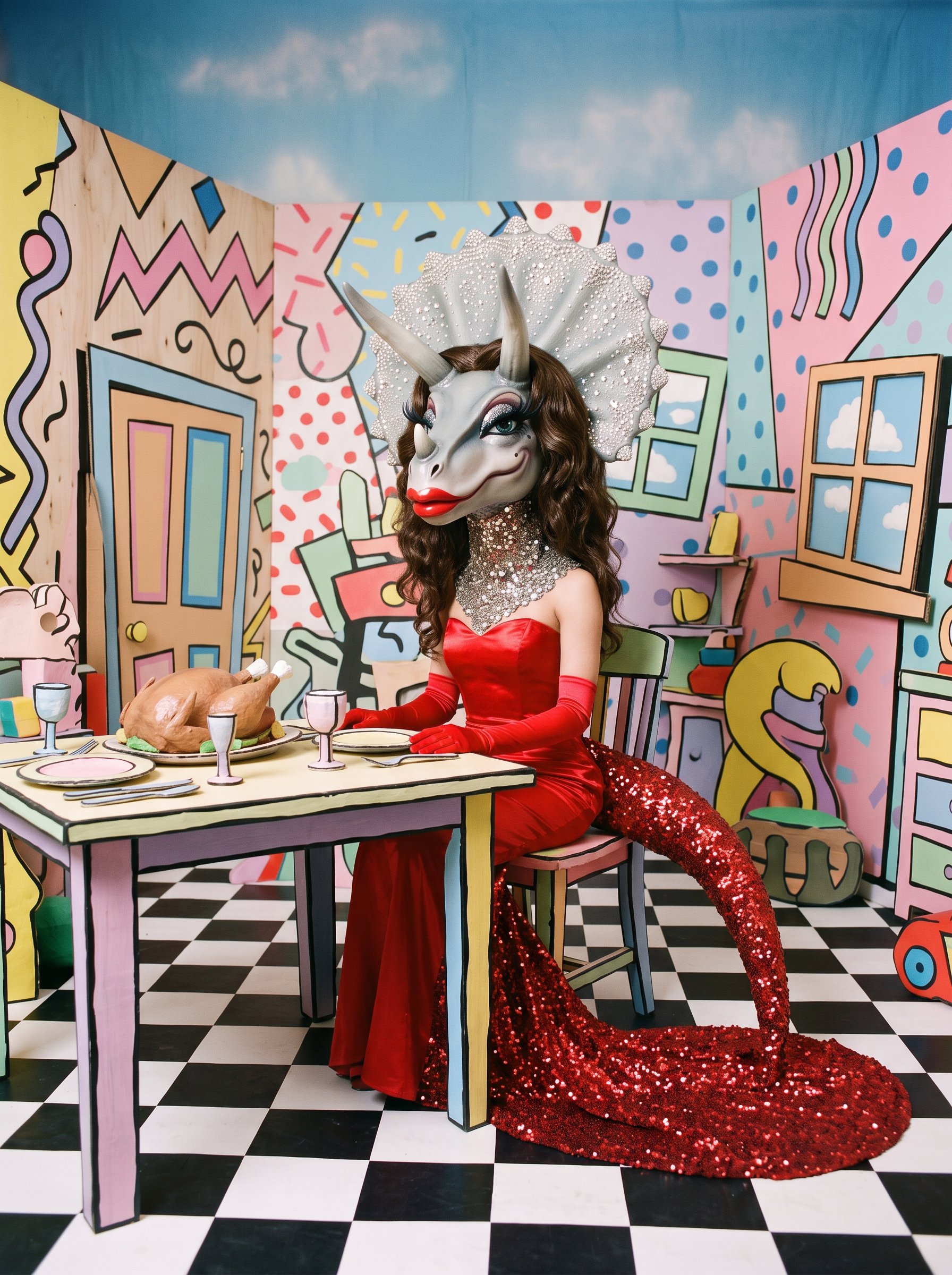
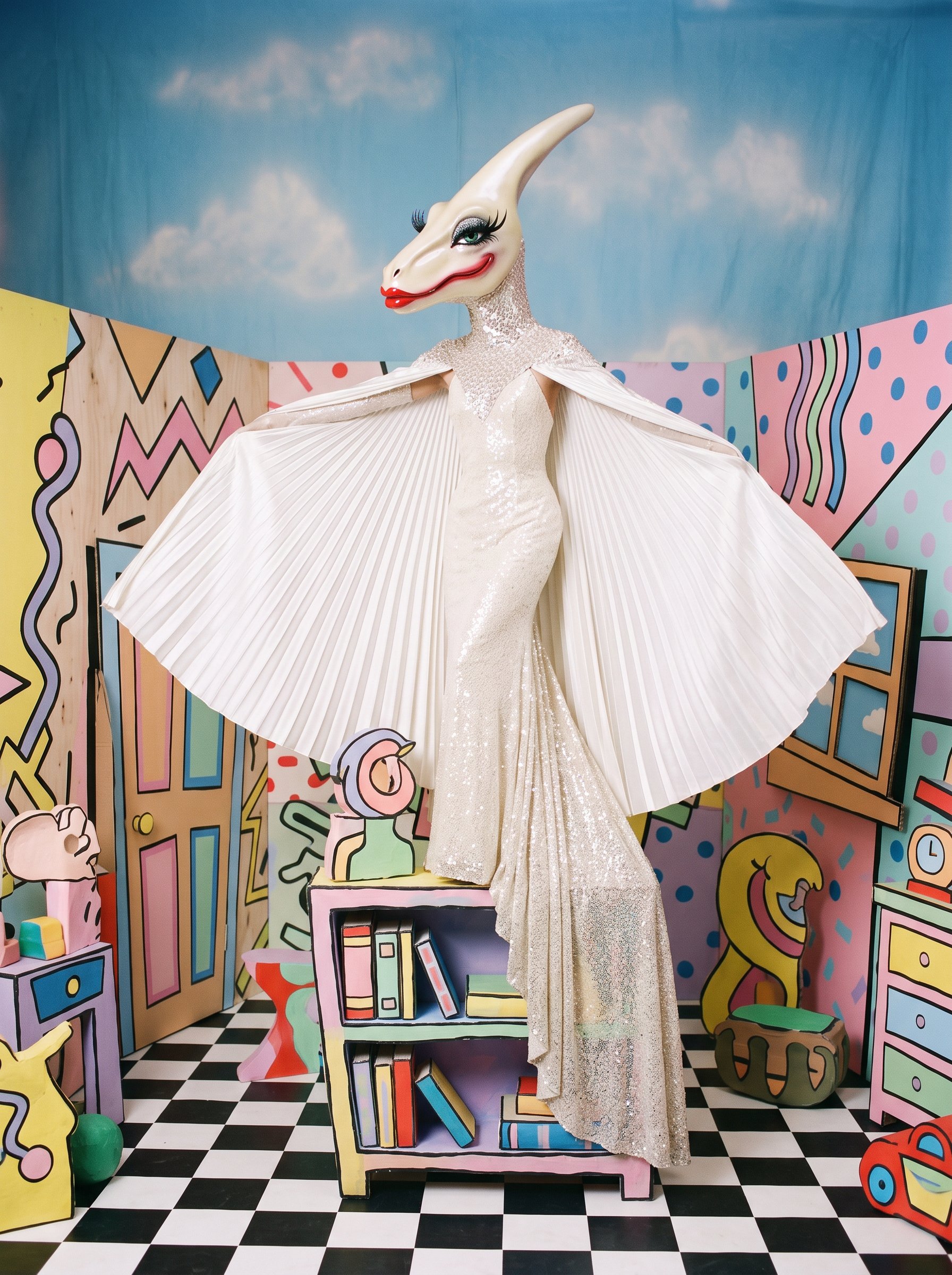
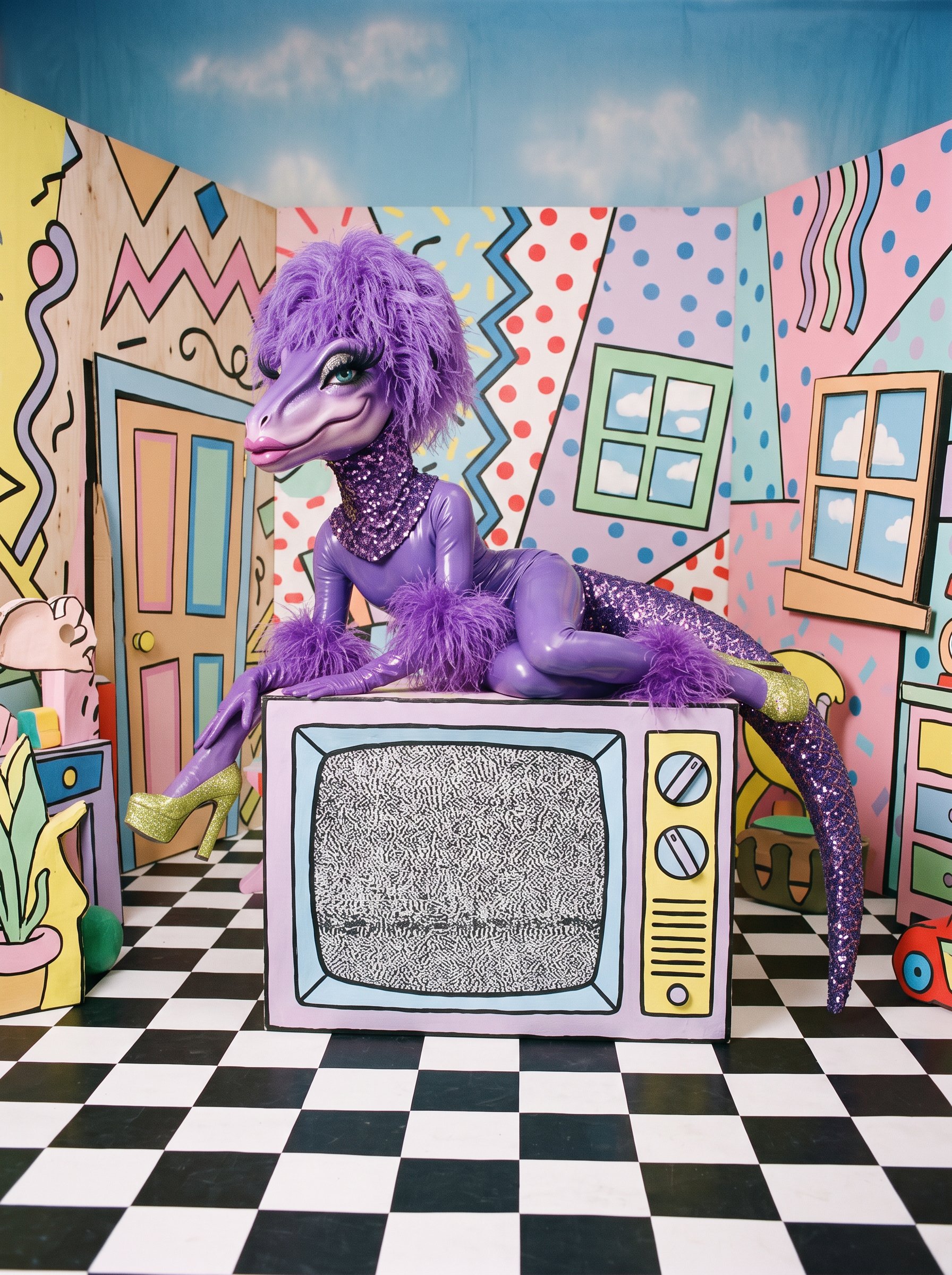
Episode 01
Her own skeleton. Tyra shoots a magazine cover in front of her own skeleton at the natural history museum, matching its pose exactly. Fifteen seconds, no dialogue: camera shutters, one gasp, a lounge harpsichord. The last frame matches the first, so it loops.
Maybelline New York
In which the idea comes first.
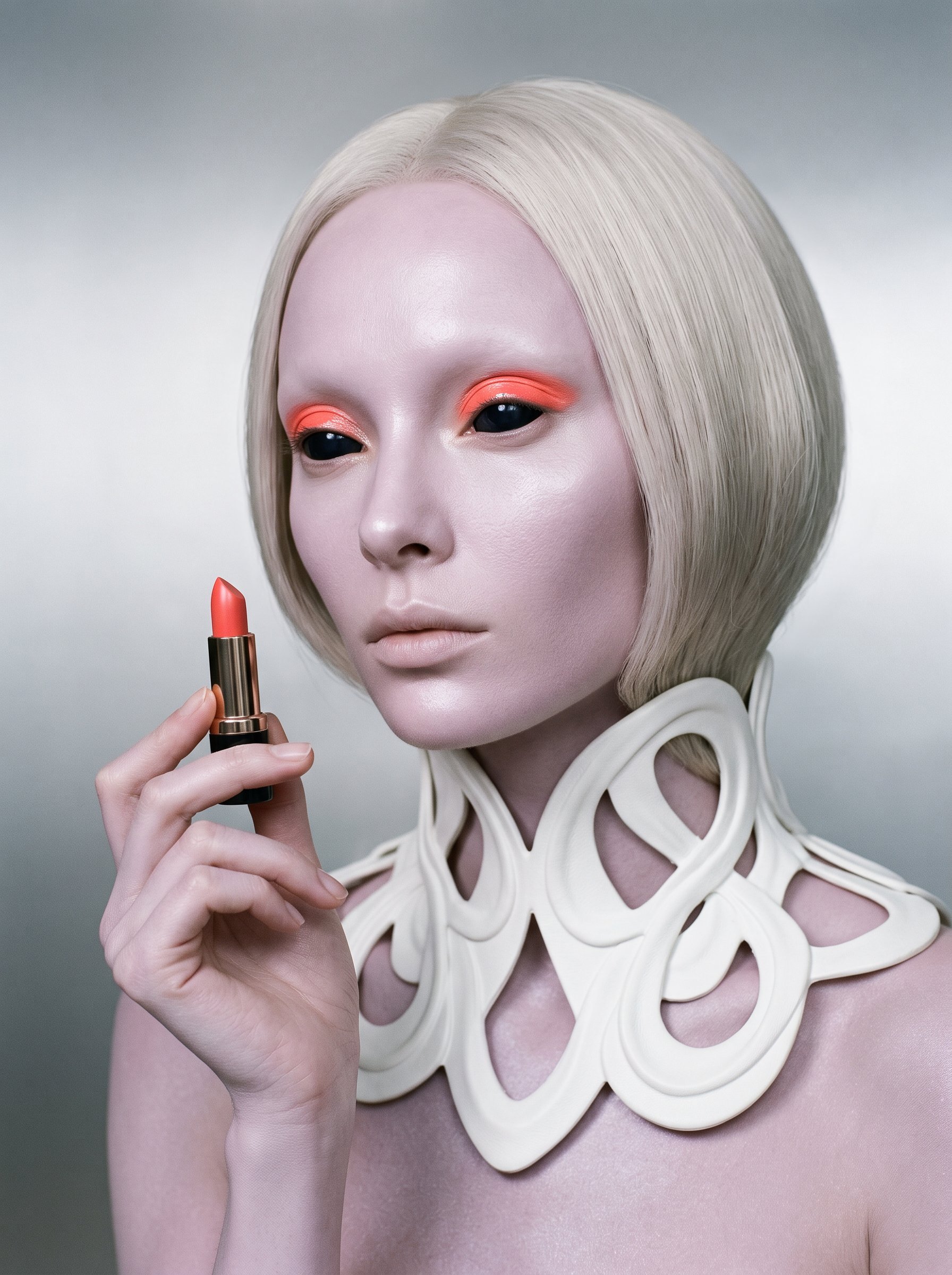
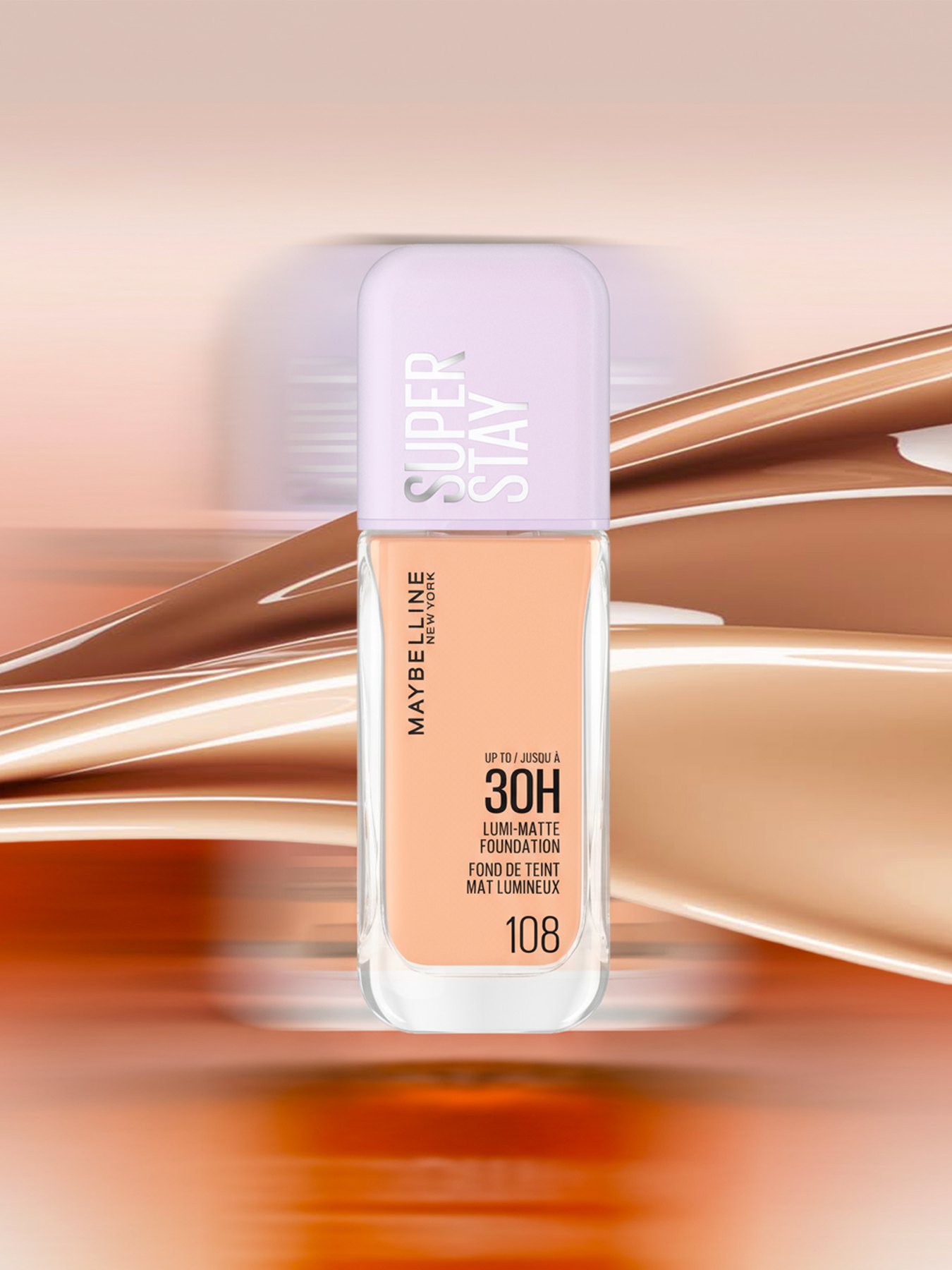
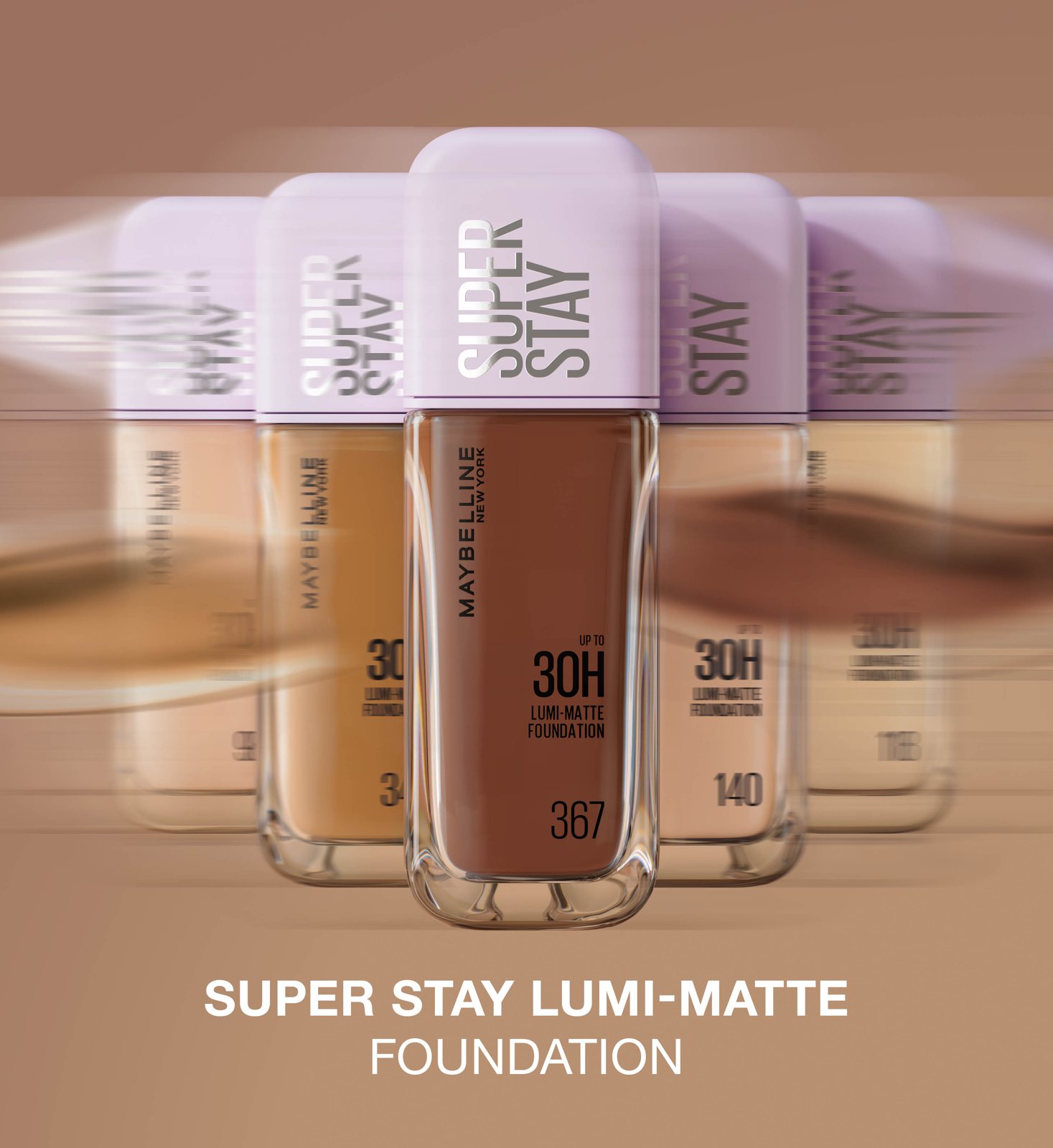
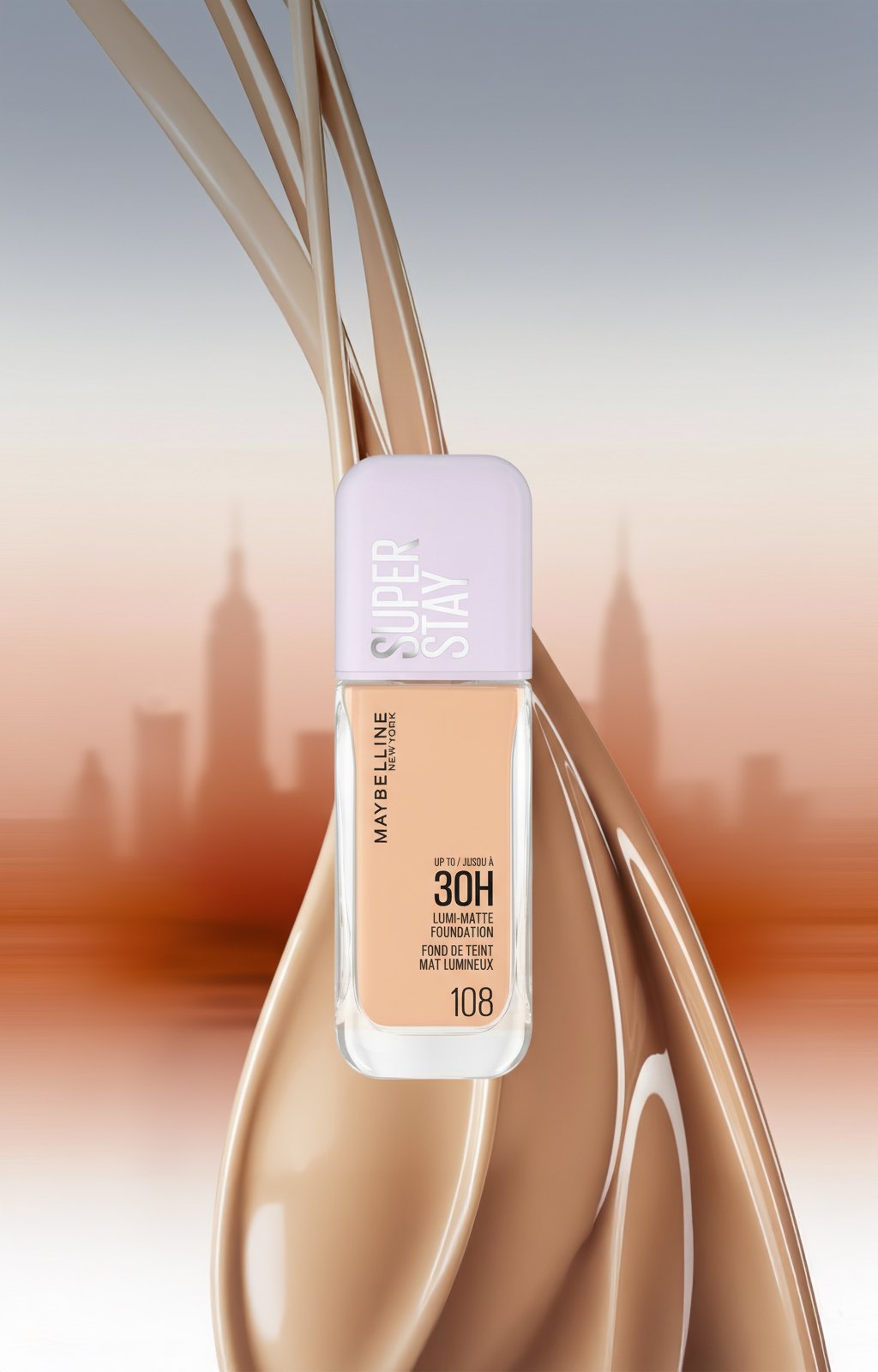
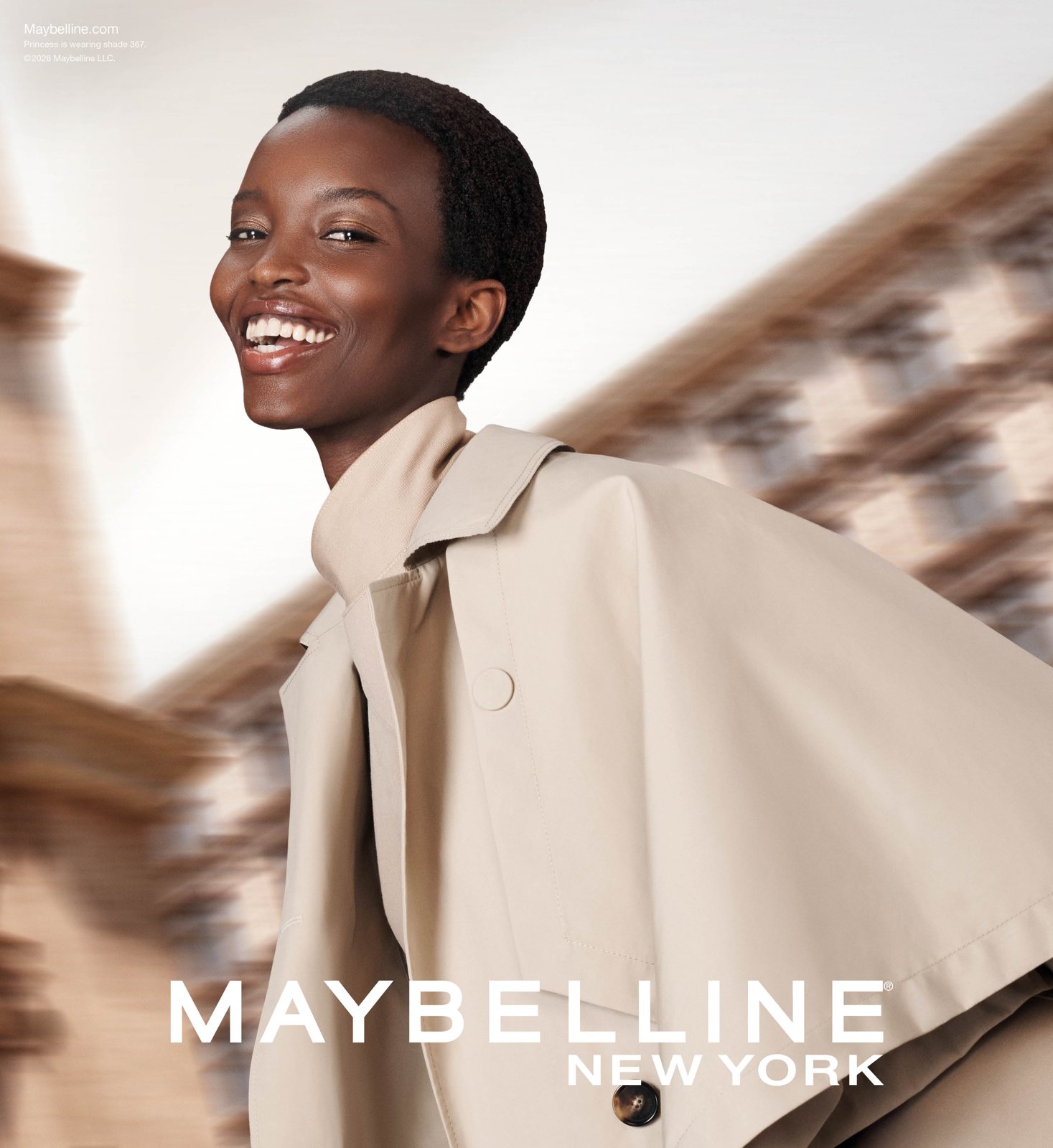
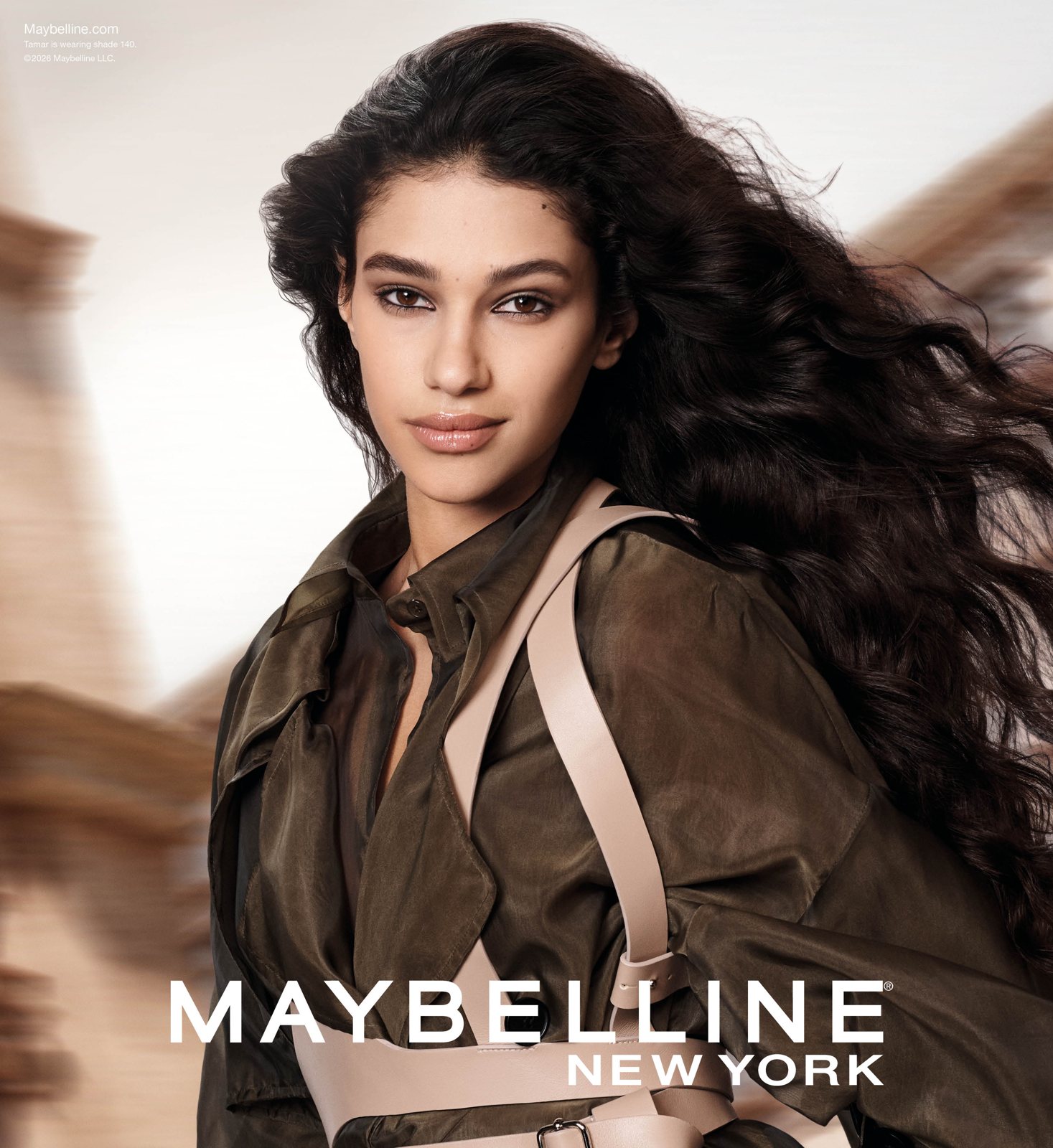
This one ran. As freelance creative director on Maybelline at Gotham and McCann, I came up with the concepts, then used AI as a tool to make the images: storyboards, video and product photography, so the team and the client could see an idea before it was shot. For SuperStay Lumi-Matte, luminous matte that moves became AI frames of the bottle in motion and in warm city light, worked through round after round from September to late October 2025. Then it went into production: the casting, the makeup and the shoot stayed with people, and the bottle was rendered in CGI for the film.

RW&CO
In which a cast drawn in marker comes back for the holidays.
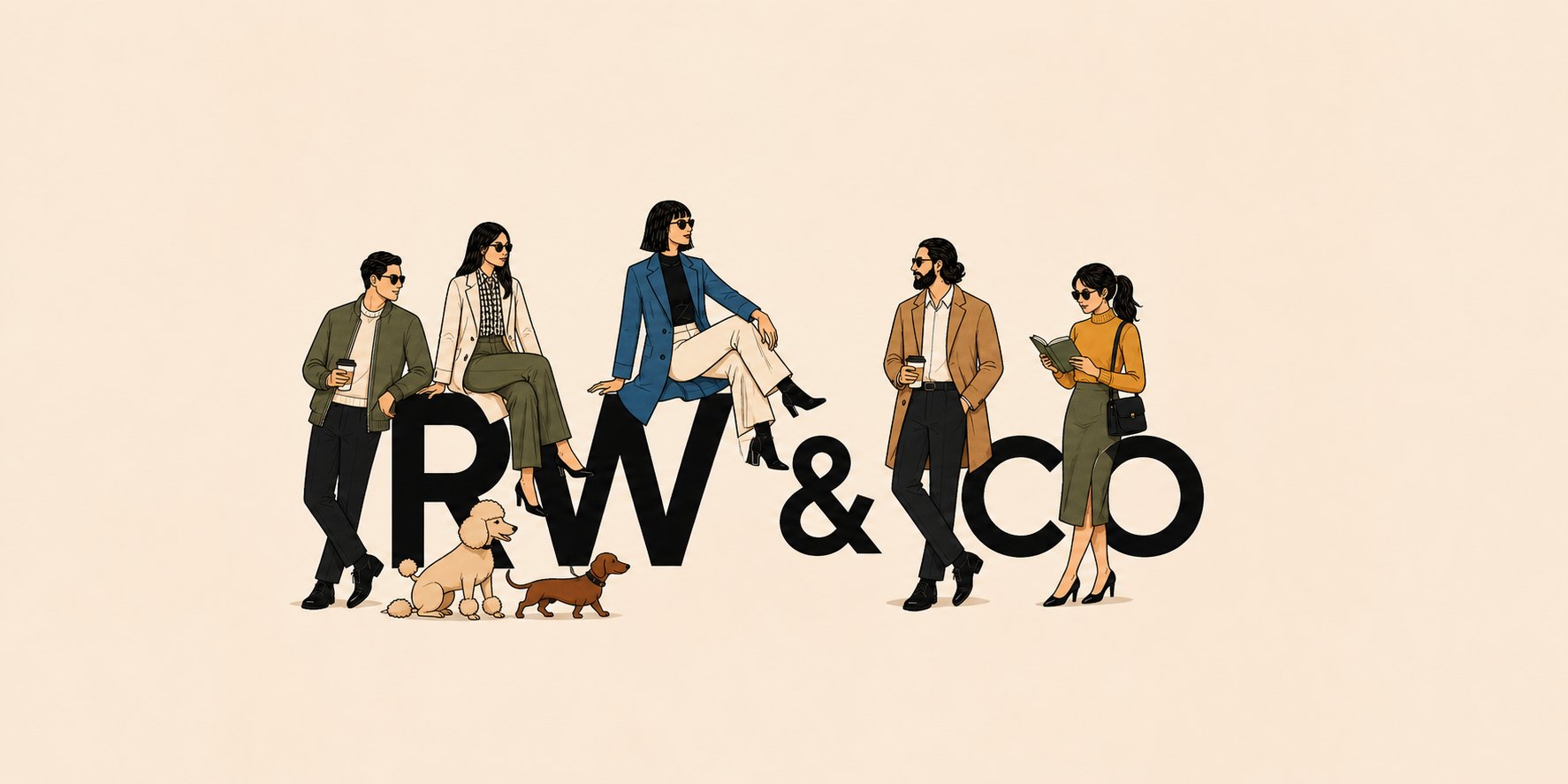
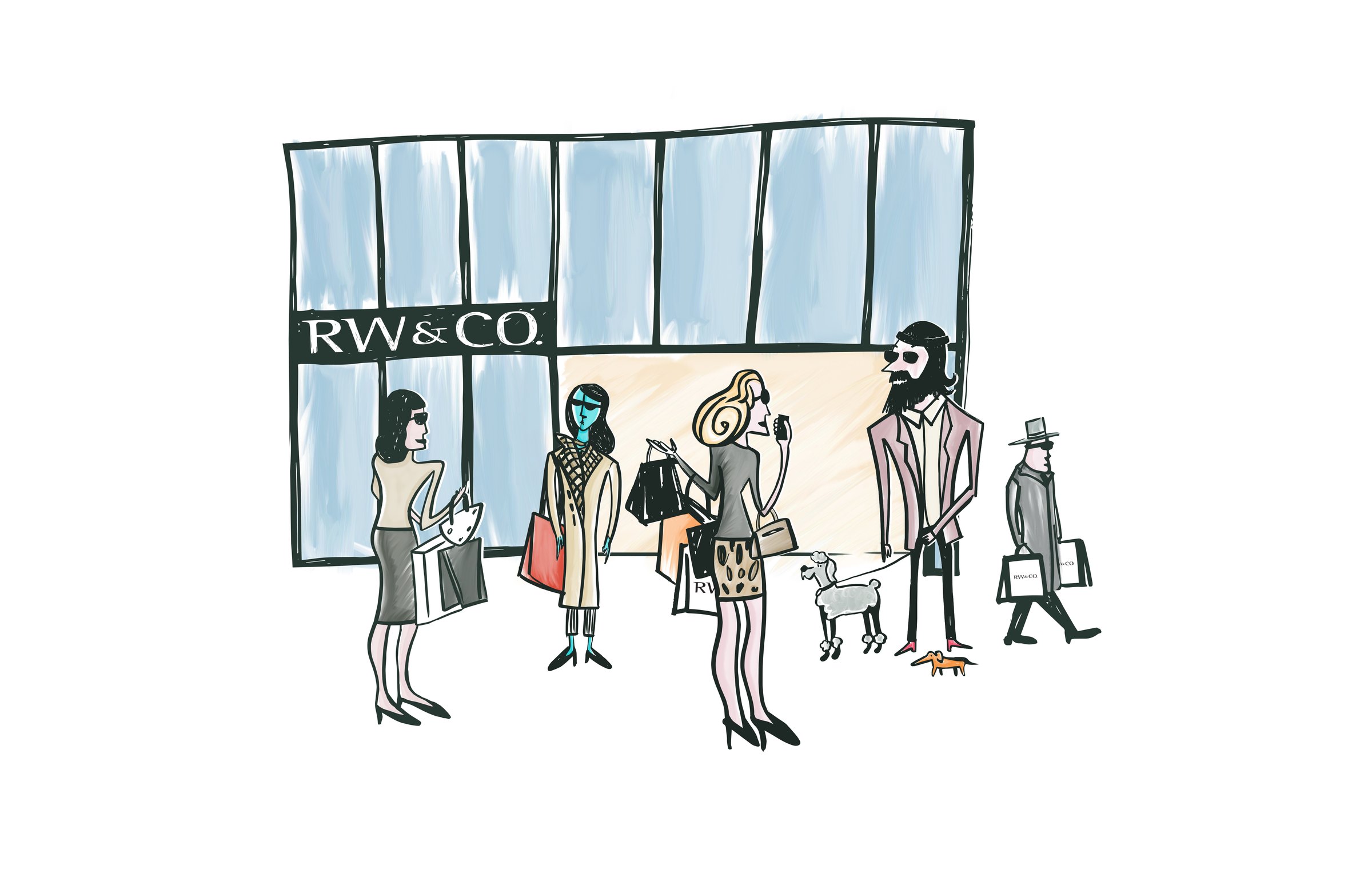
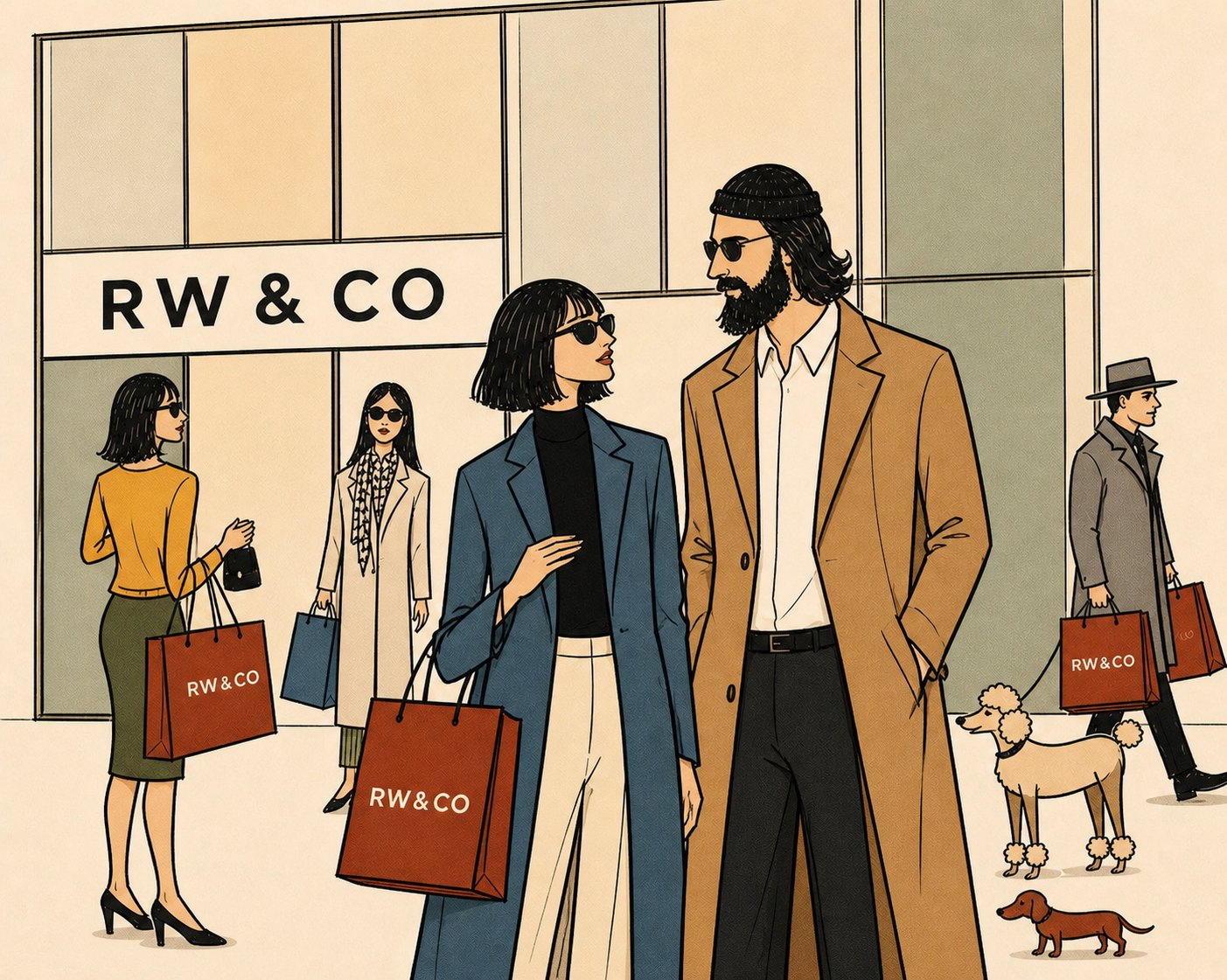
I drew the RW&CO cast in black marker in 2020, one shopper at a time, and lined them up outside the store. In 2026 I brought the same cast back for the holidays as a short film, made with AI image and video tools.
La Mer
In which the jar becomes a mountain.
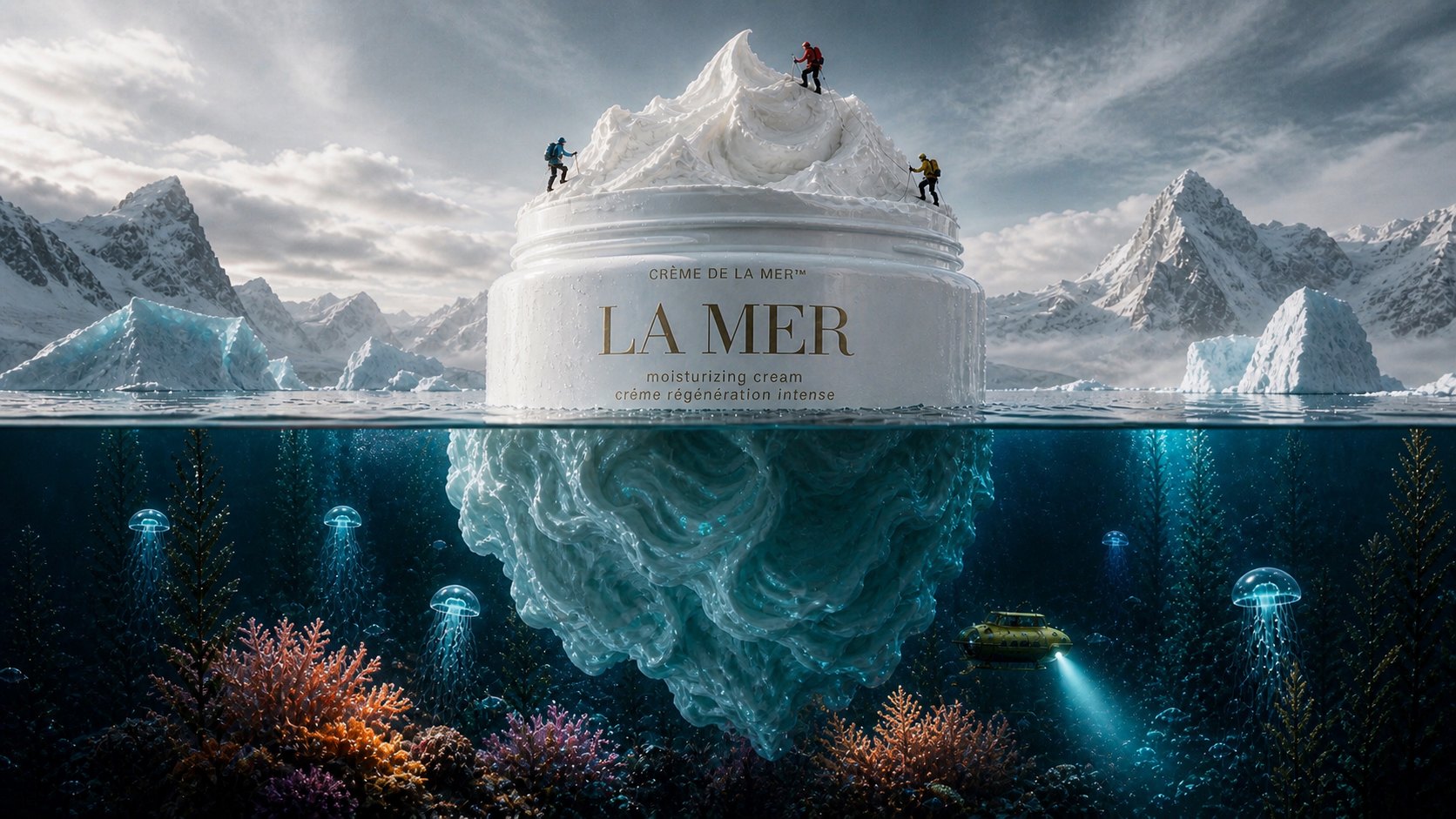
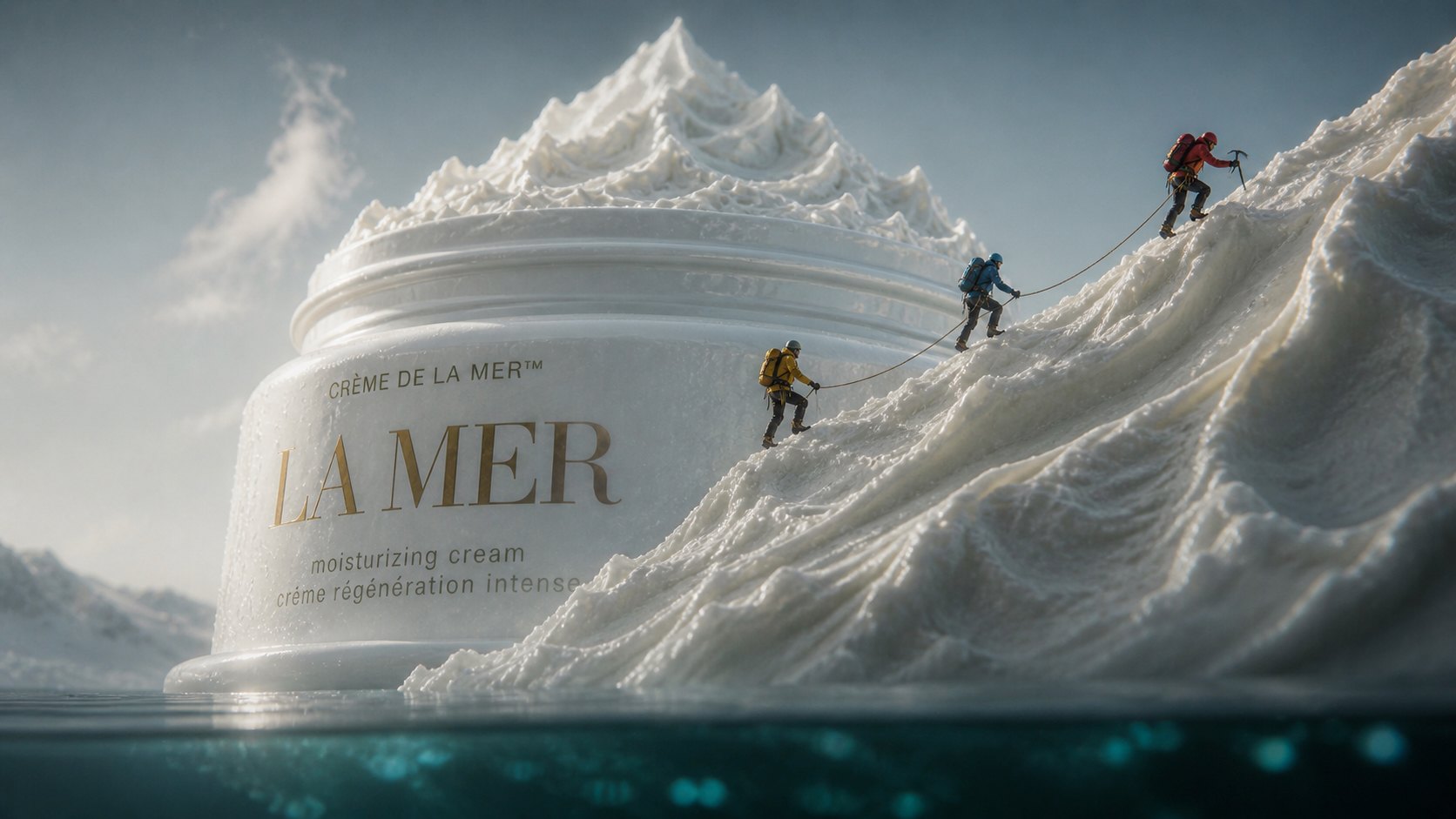
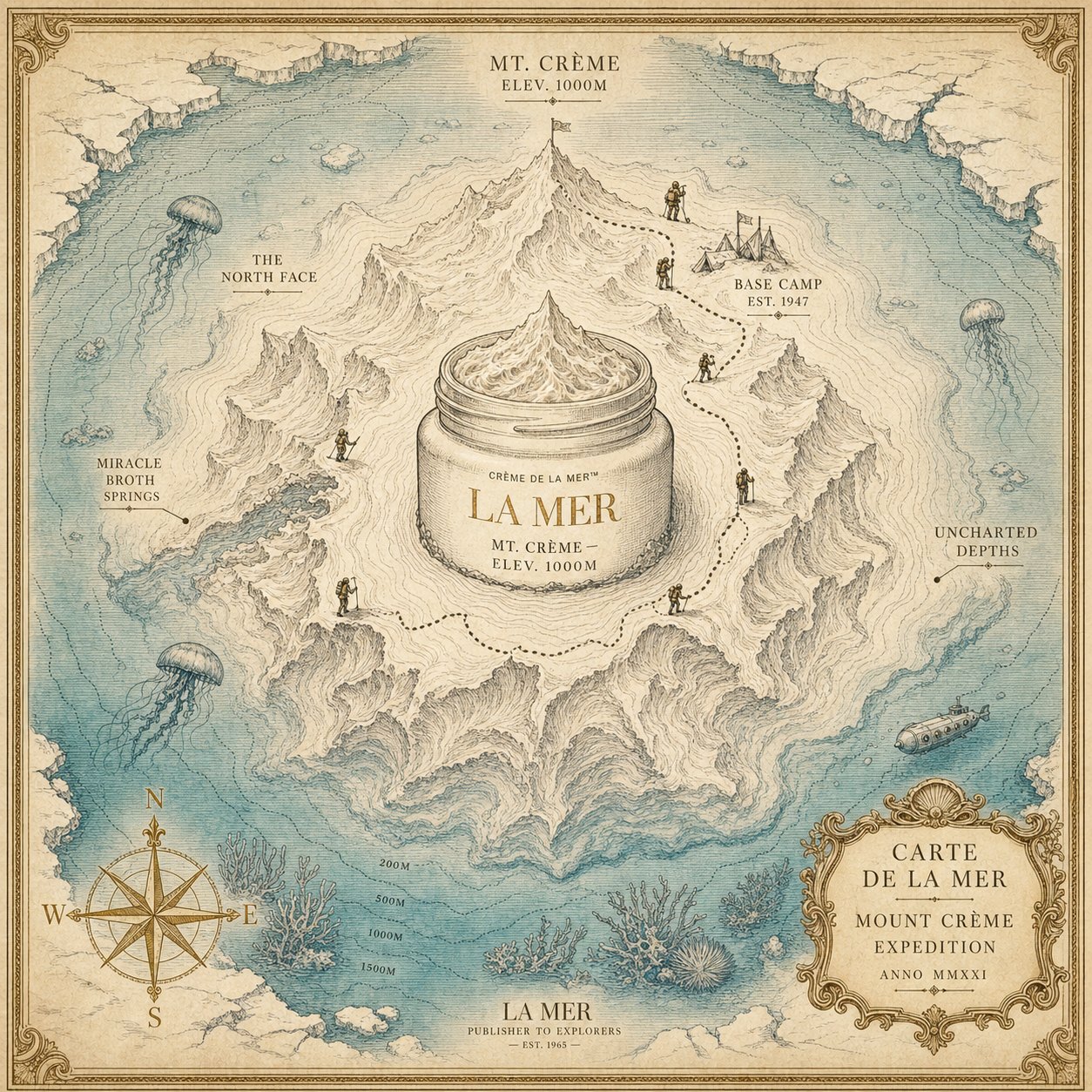
A campaign world for Crème de la Mer, built on its origin story. Above the waterline the jar is a mountain to climb, with a summit seal and an expedition map. Below it the cream turns to iceberg and the sea becomes a museum.

More worlds
In which the marks go out into the world.
Two more, from my case studies. The four Old Navy brand programs, each with its own set and cast, shot like a catalog. And Kenneth Cole Voice Wear: real tees, imagined casting.
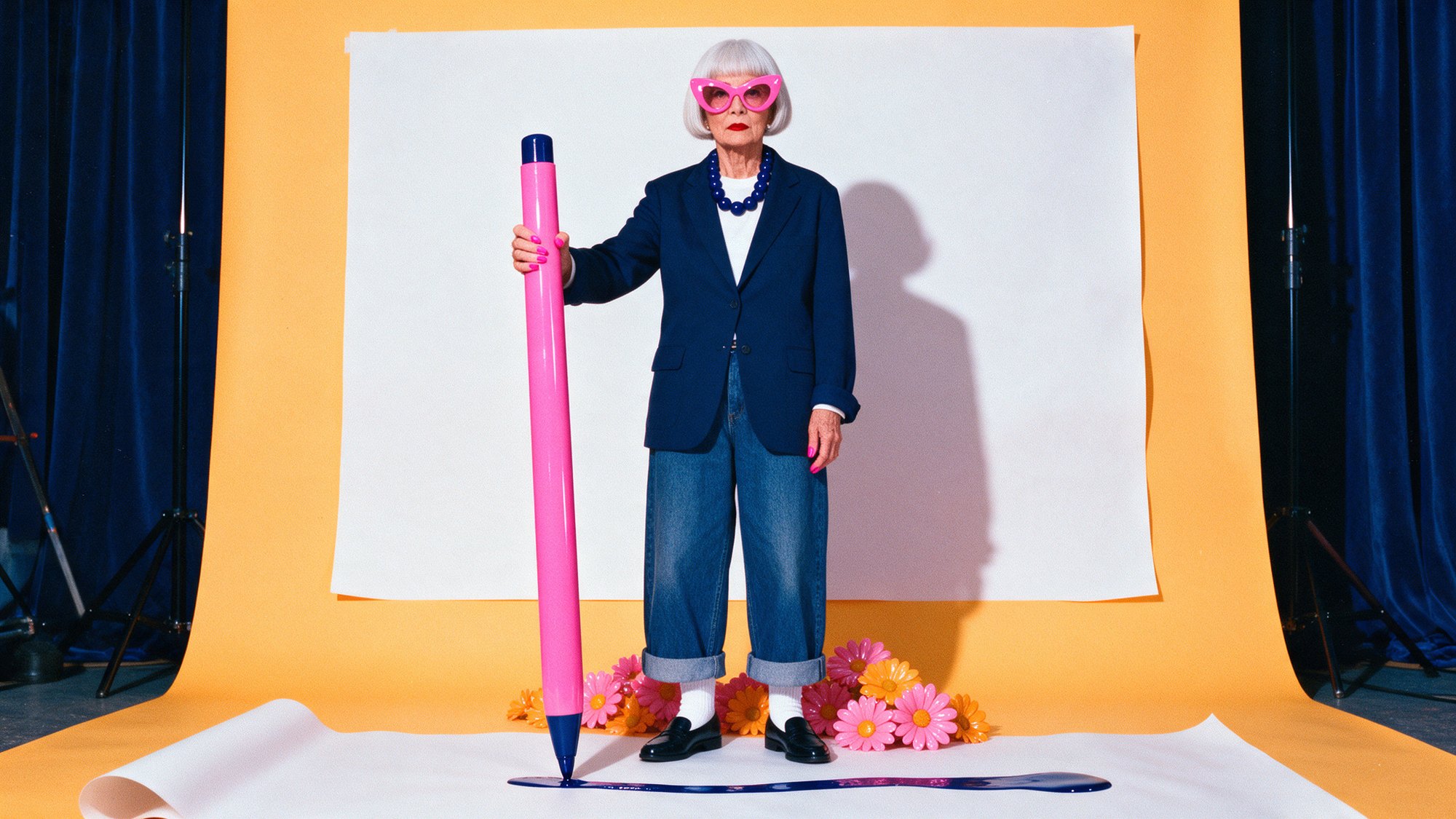
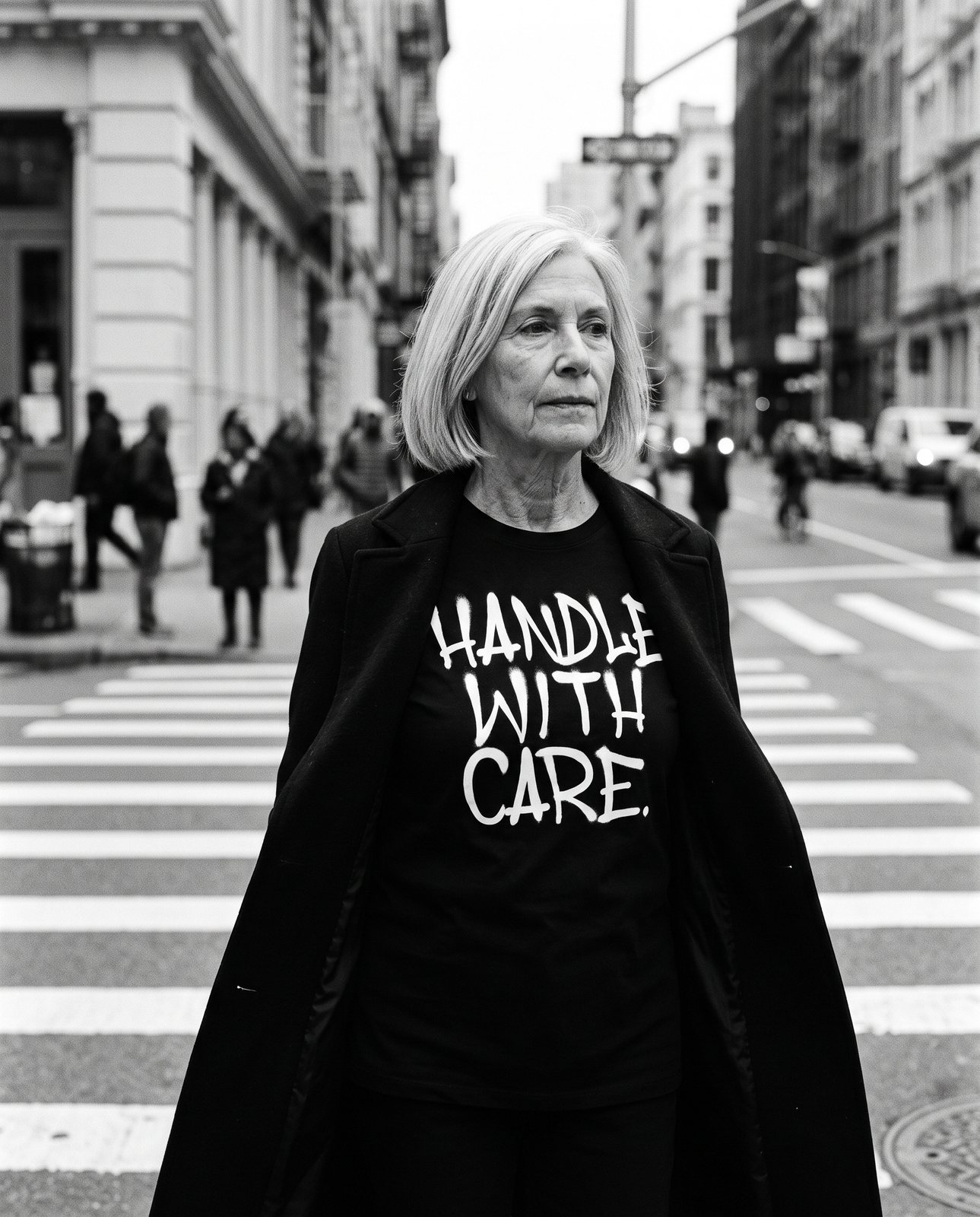
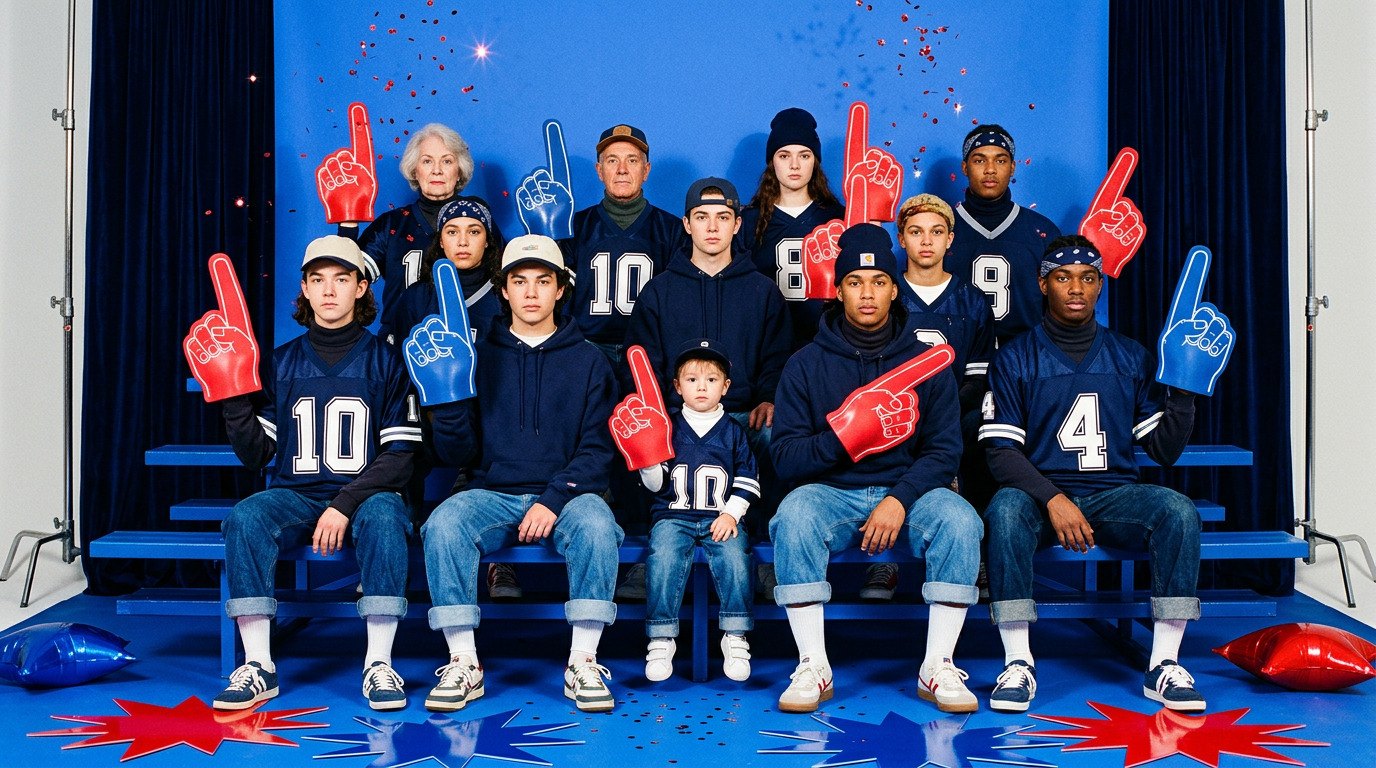
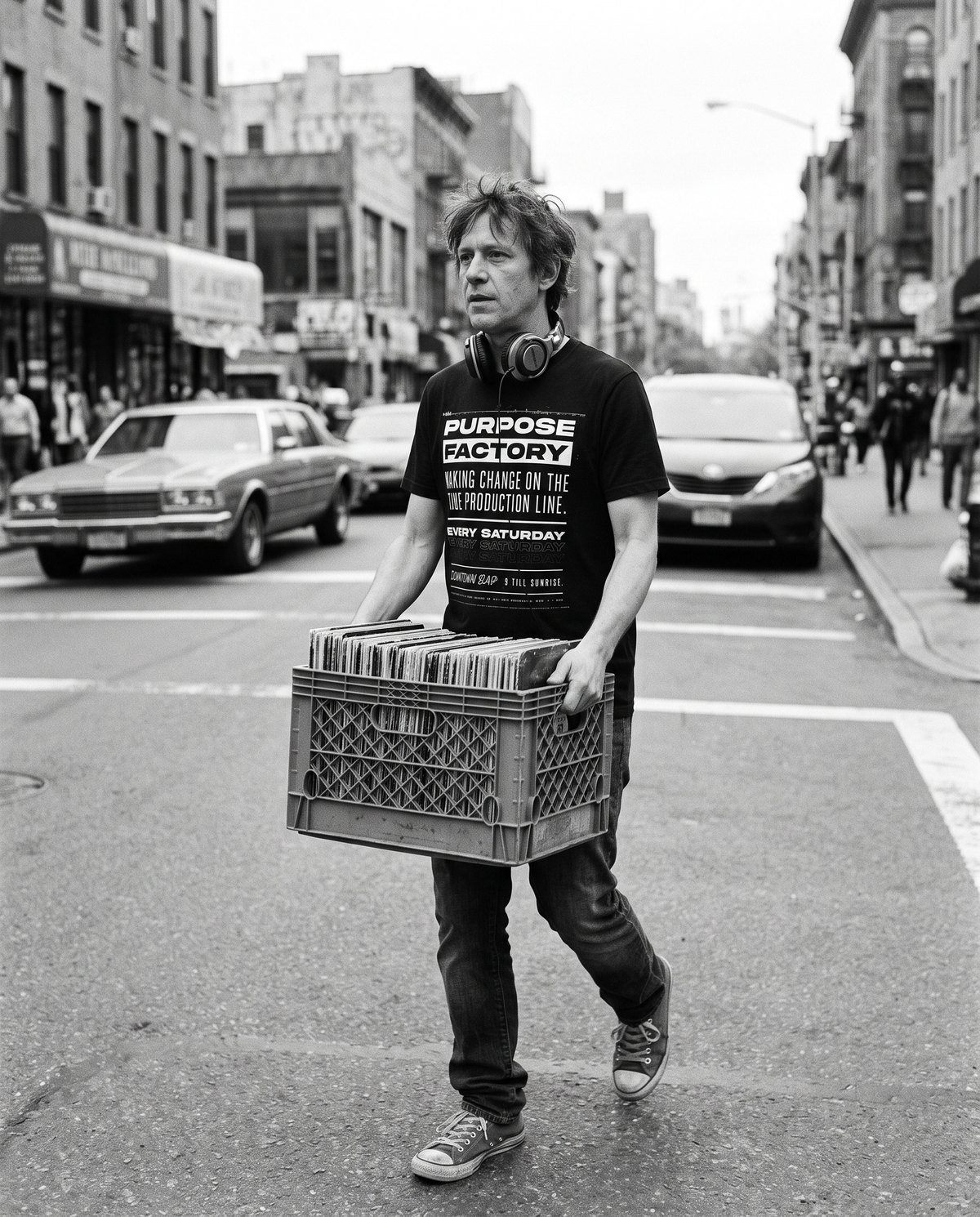
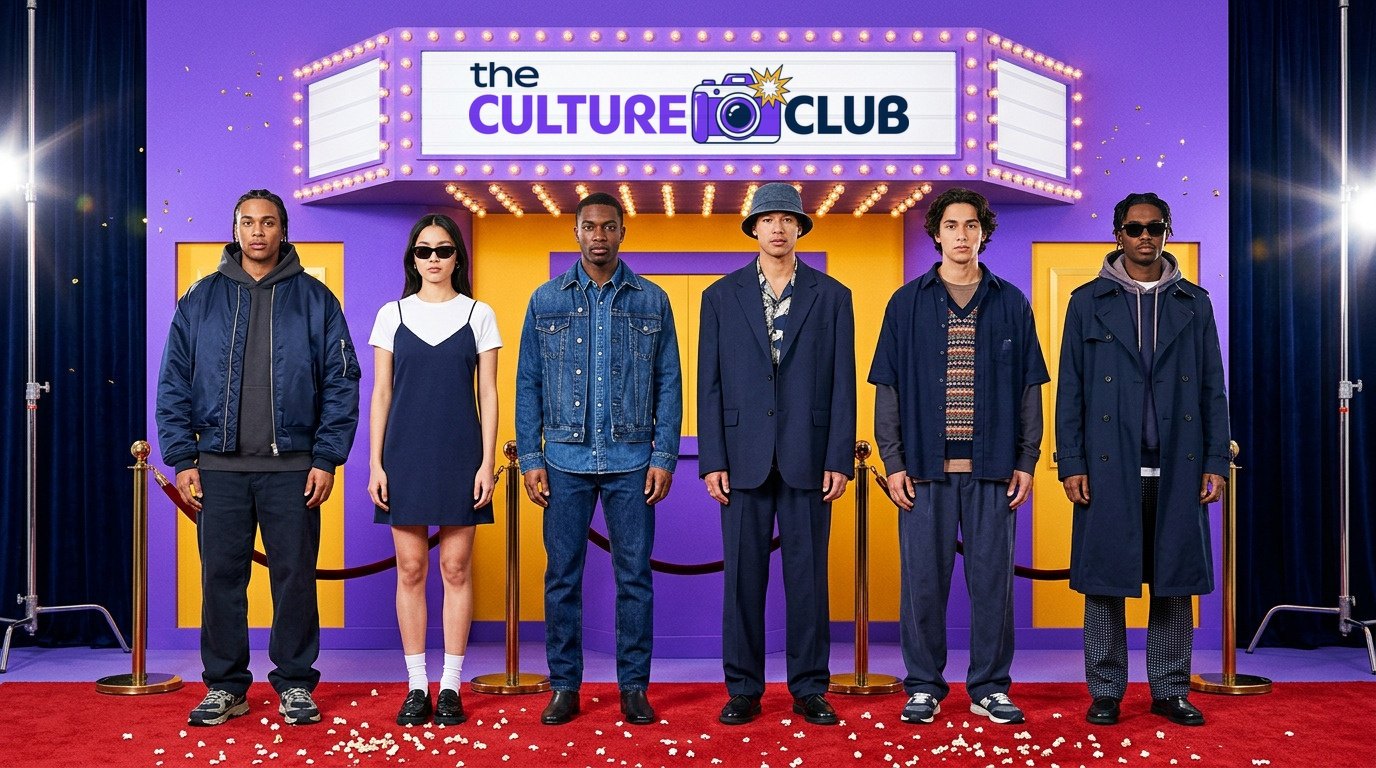
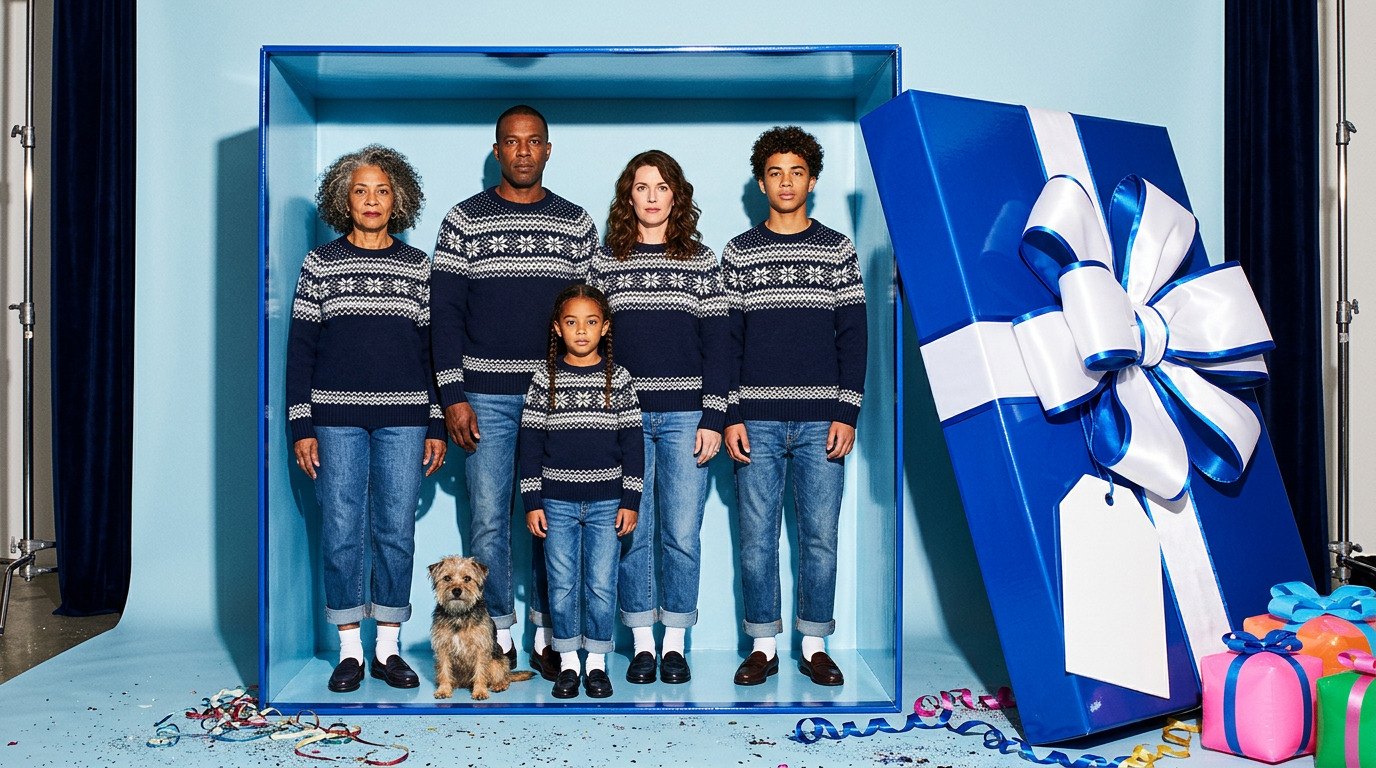
Old Navy, see the case study →Kenneth Cole, see the case study →
Concept
Les Passantes, with Odile as its lead, and House of Extinction are my own worlds. Maybelline New York is produced work that ran: its AI frames are the concepts it started from, shown next to the finals. RW&CO, La Mer, Old Navy and Kenneth Cole are concepts built around those brands. Every AI image and film on this page is labeled Concept; only the Maybelline finals are a produced campaign.
Brief, timeline, deliverables
One brief in, a campaign out. Here is how a sprint runs.
What I need from you
- The product, and the one thing it has to say.
- Who it is for.
- Your references, and the ones you never want to see again.
- Where it runs: social, site, retail, out of home.
- Brand guidelines and any must-have shots.
A three week sprint
- Week 1: the world and the cast. Casting pages, character sheets, the set and the palette. You approve one direction.
- Week 2: the stills. Key visuals and the full set of stills, with two rounds of changes.
- Week 3: motion and formats. Short films and silent loops, then everything cut to size.
What you get
- A defined set of key visuals.
- Campaign stills for social, site and retail.
- Short films and silent loops.
- Every piece cut to every format, from 9:16 to out of home.
- A character and world guide, so the cast looks the same next season.
Send me the brief.