SEEN IT.
An original fashion film series. Impossible characters, ordinary New York, and nobody looks twice.
Show taste, wit, light, lens and art direction in work a brand would want to hire.
The brief I set myself. Fashion editorial first, joke second.
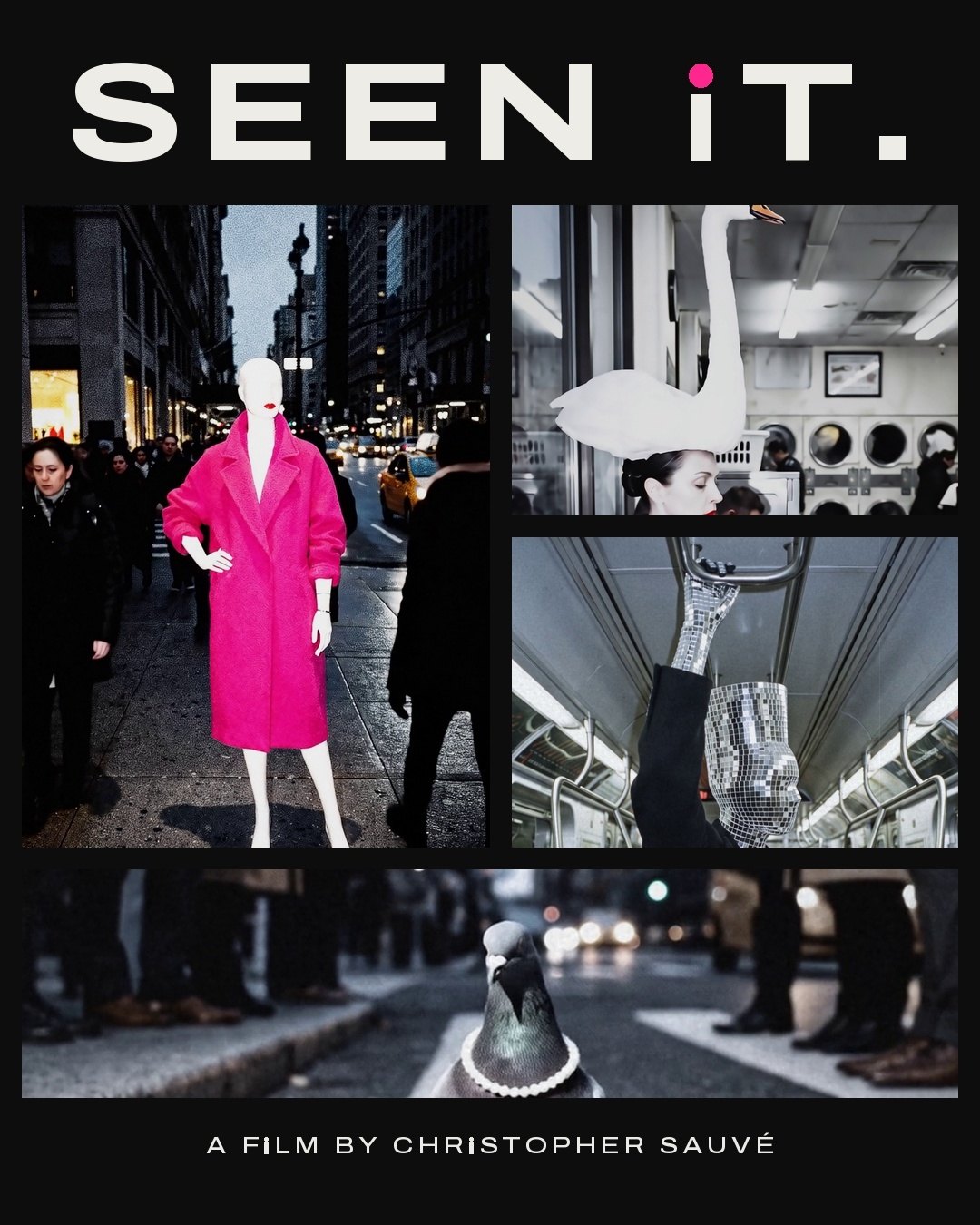
SEEN IT. is an original fashion film series I created, directed and art directed as a personal project. Each film is one beat, eight to fifteen seconds long, and New York doesn’t react: that’s the joke. An experimental concept, made with AI tools, directed and finished by me.
Nobody looks twice
In which New York has seen it all.
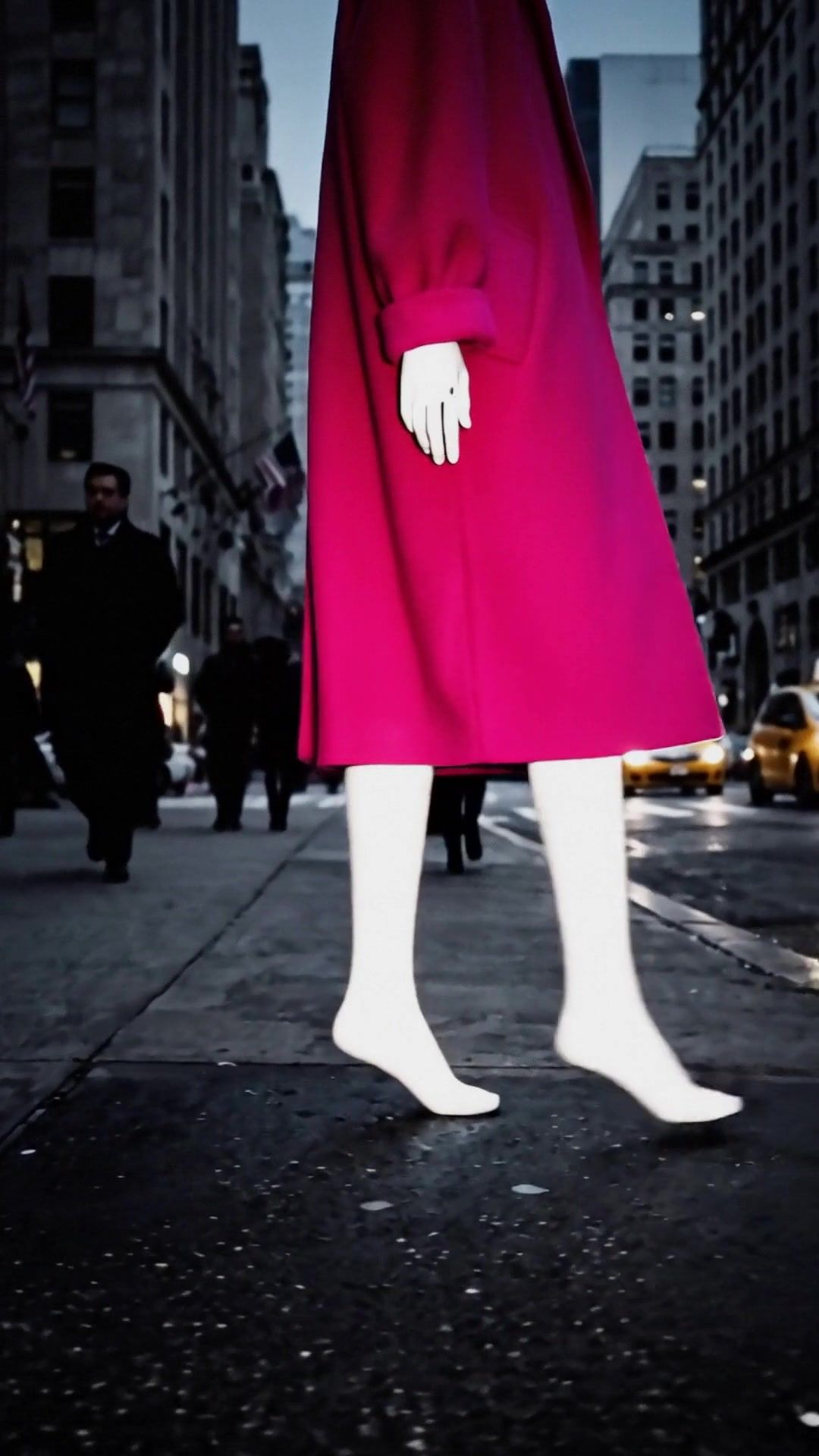
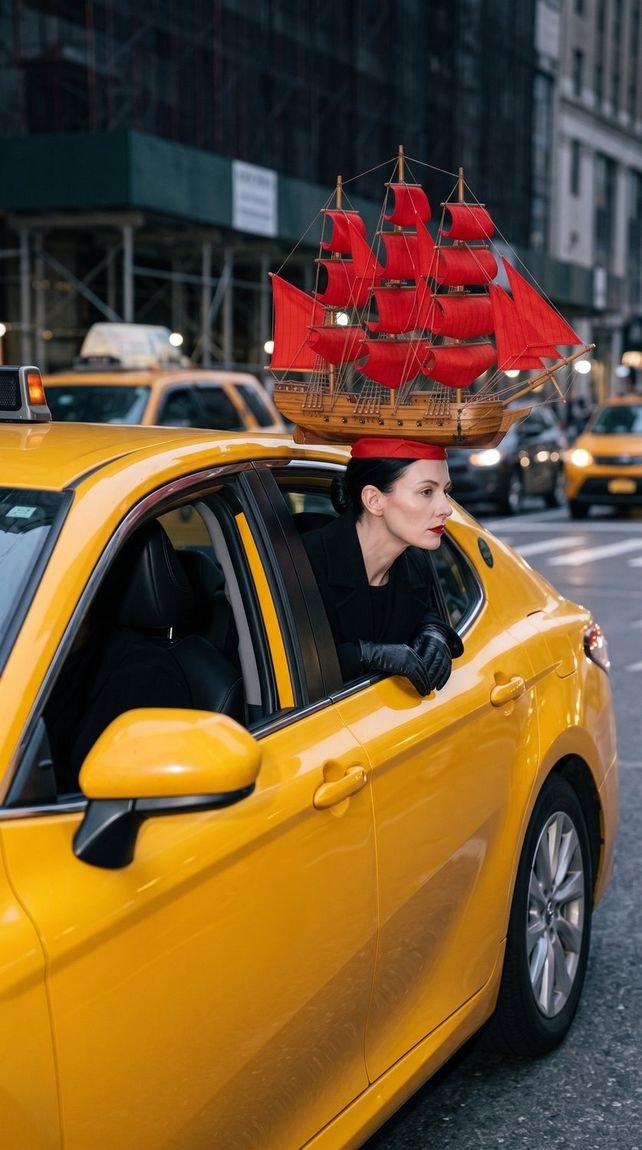
A mannequin sneaks out for coffee. A milliner waits for her laundry under a sleeping swan. A pigeon in pearls works the crosswalk like a runway. A woman in mirror tiles turns a stalled subway car into a disco. And a woman made of nothing but cobalt checks her coat, then the rest of herself.
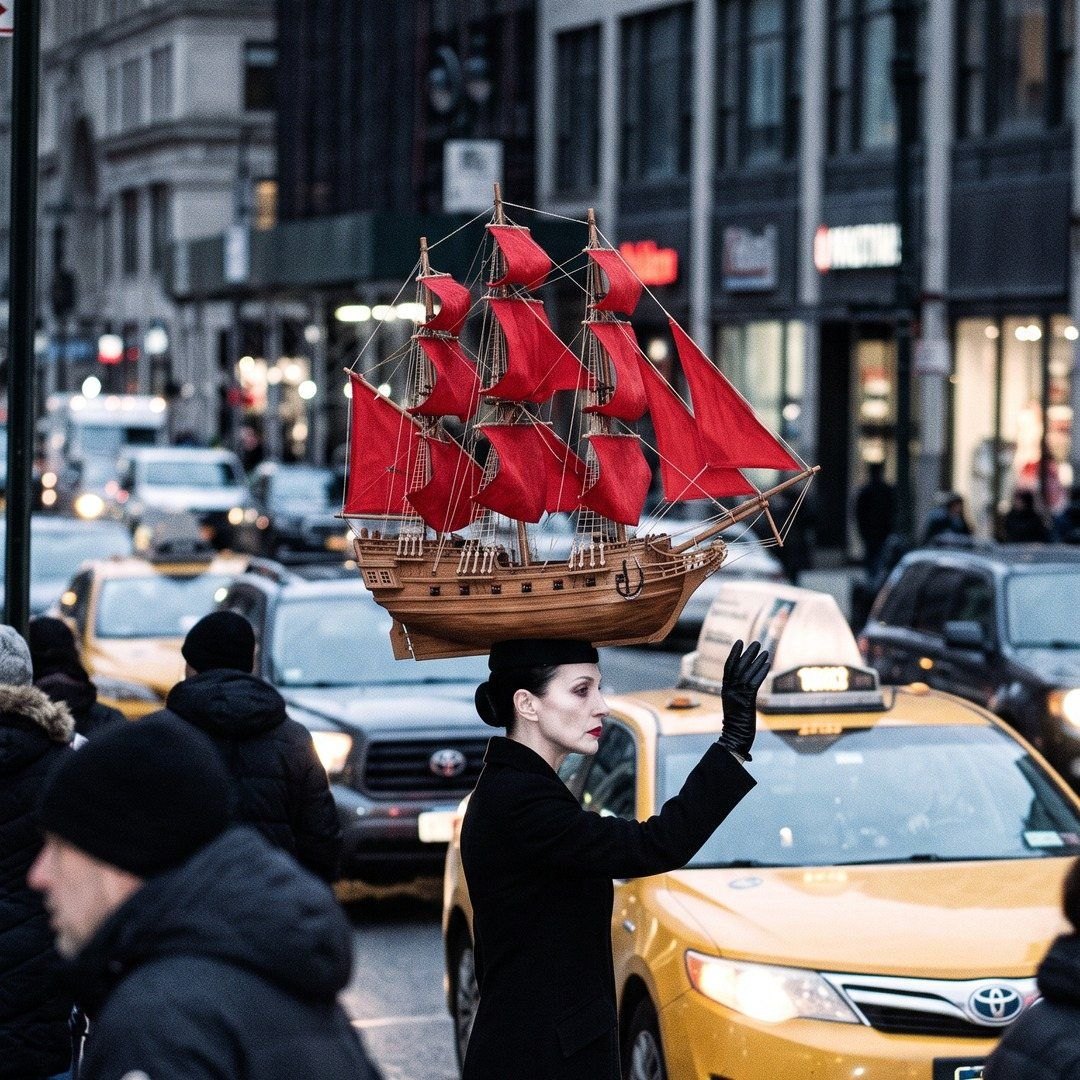
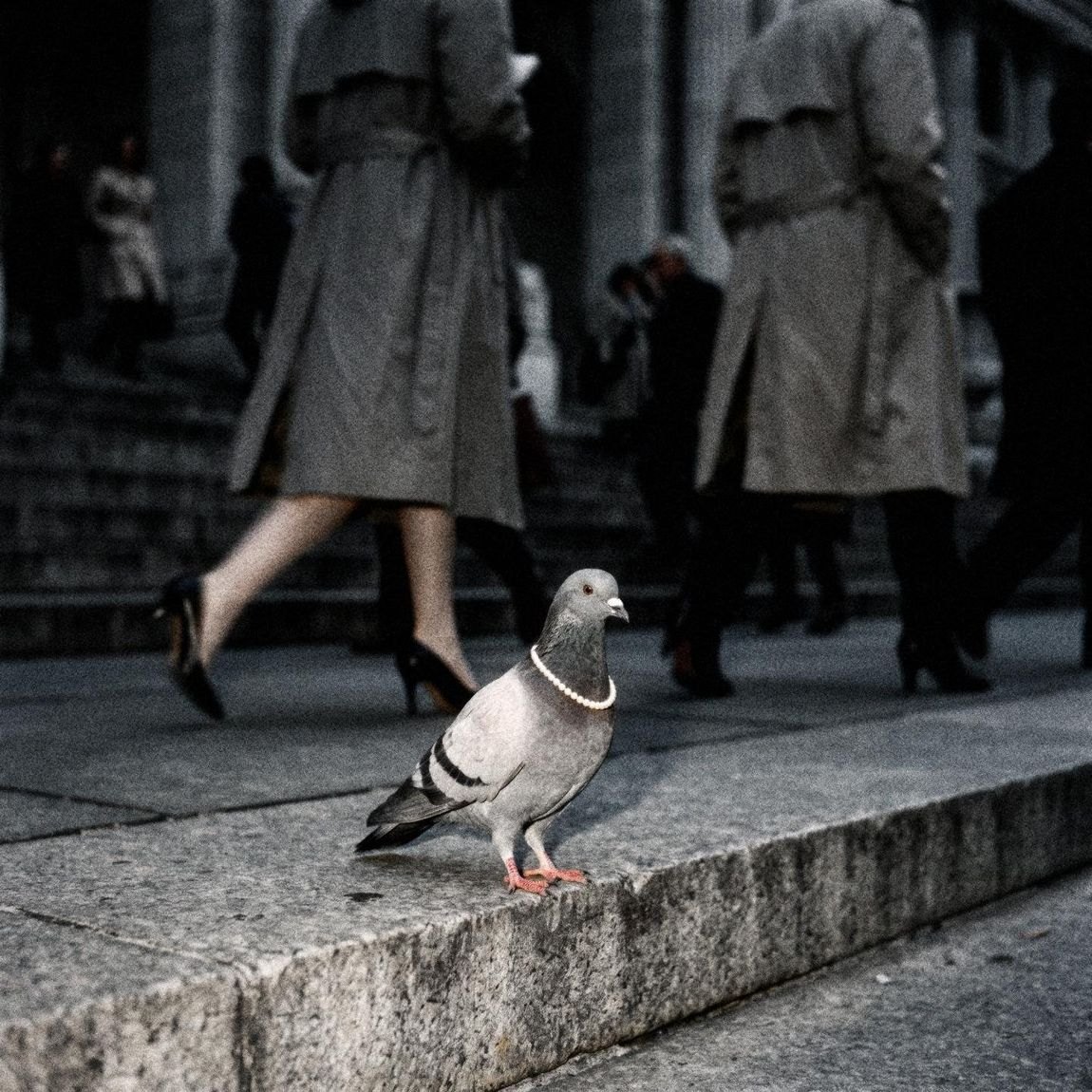
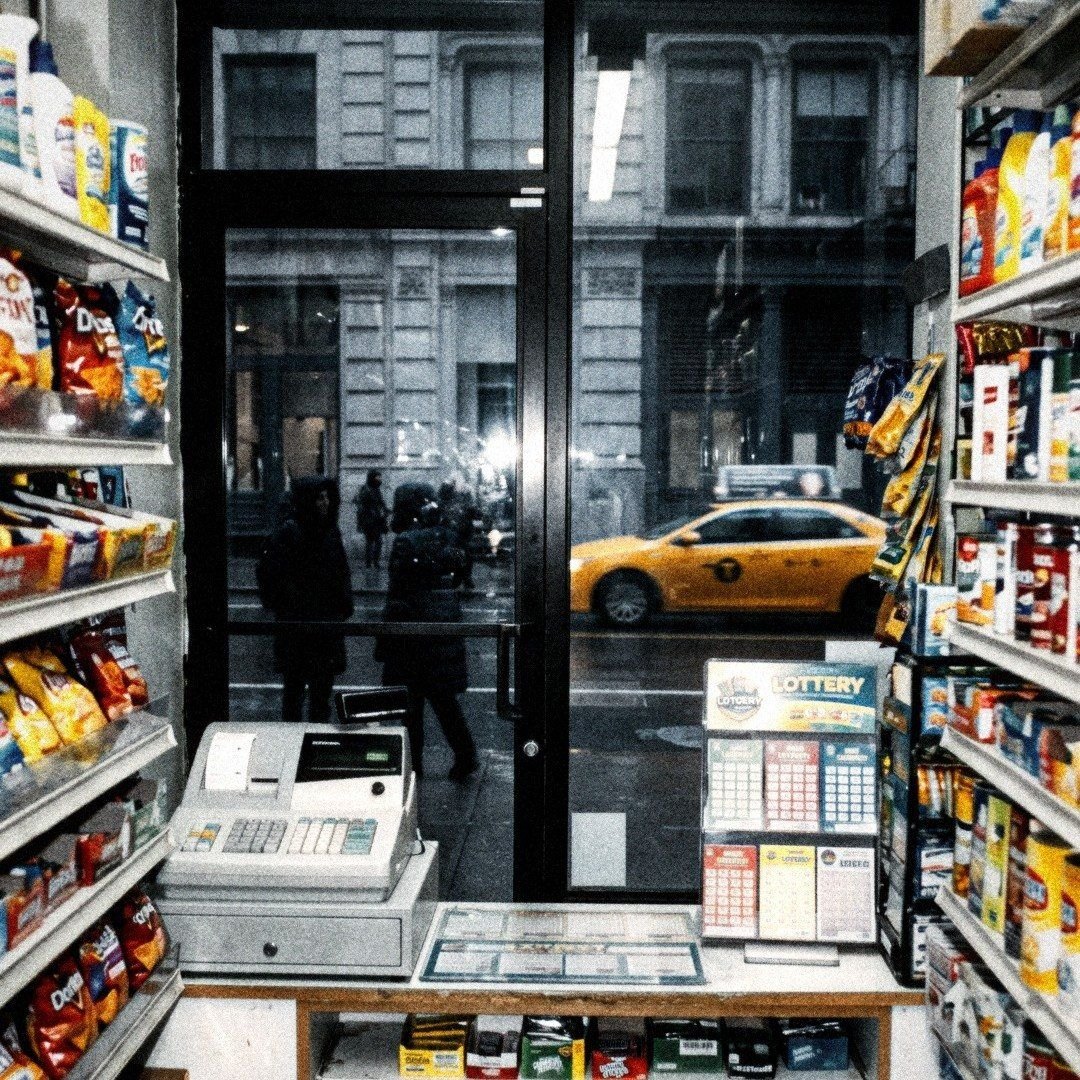
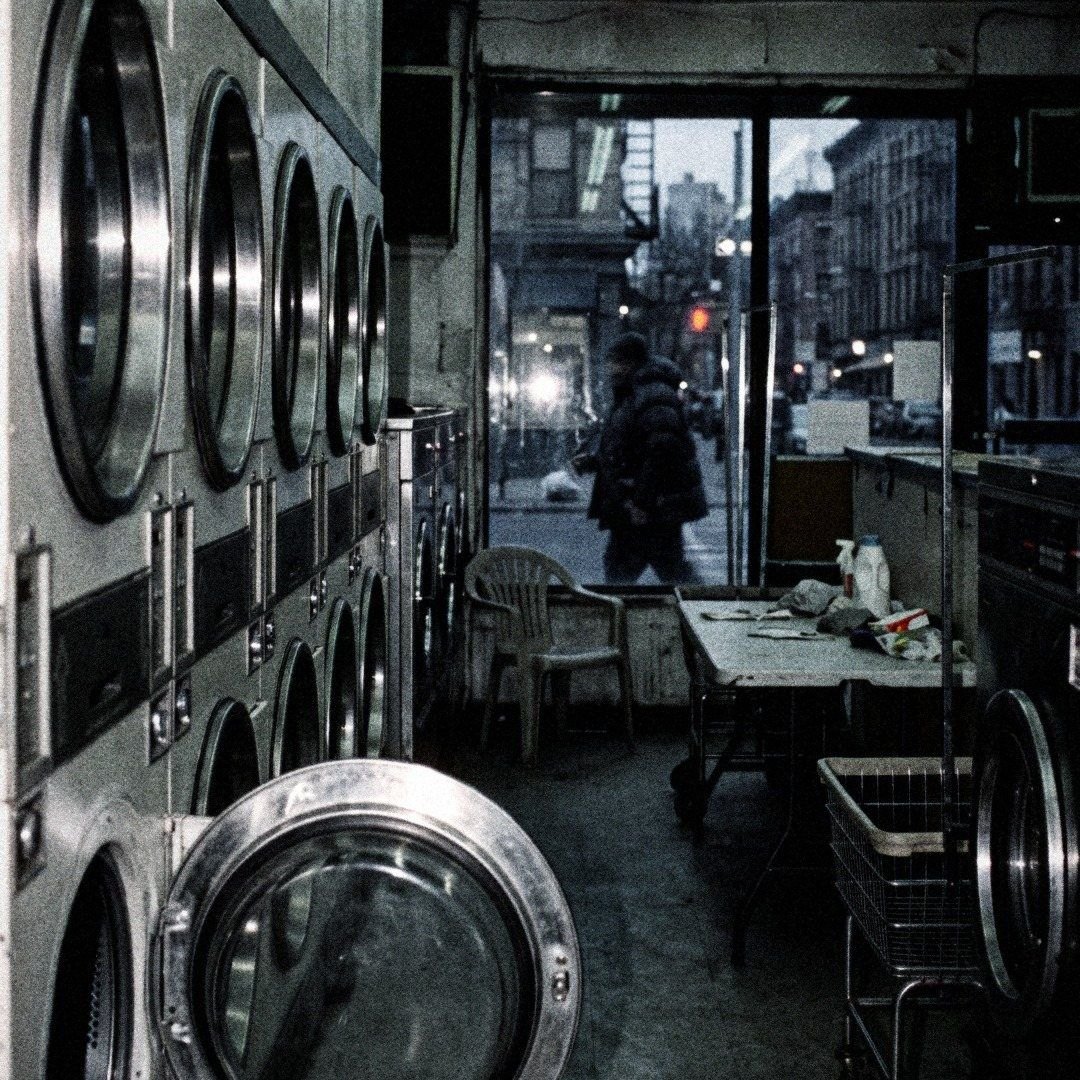
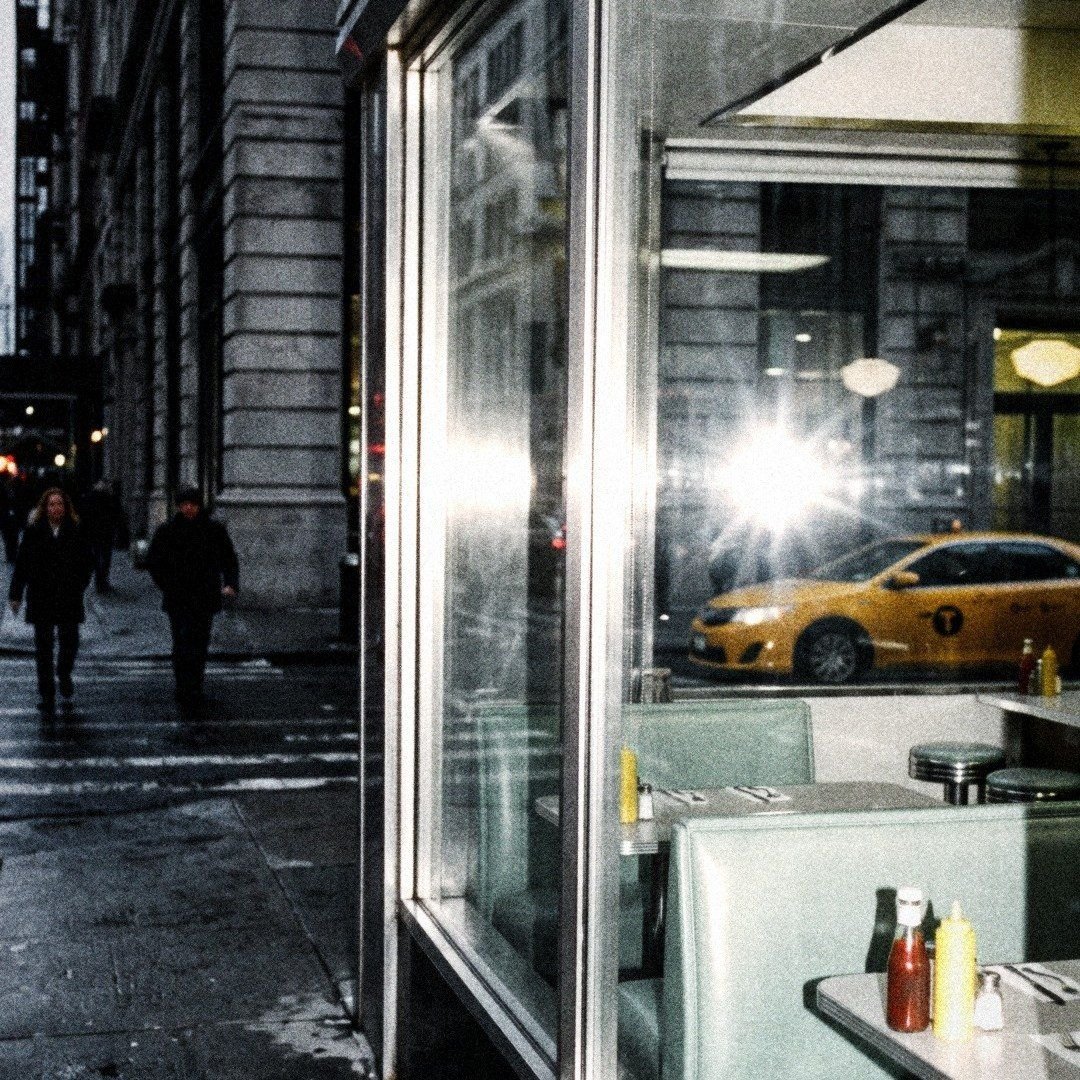
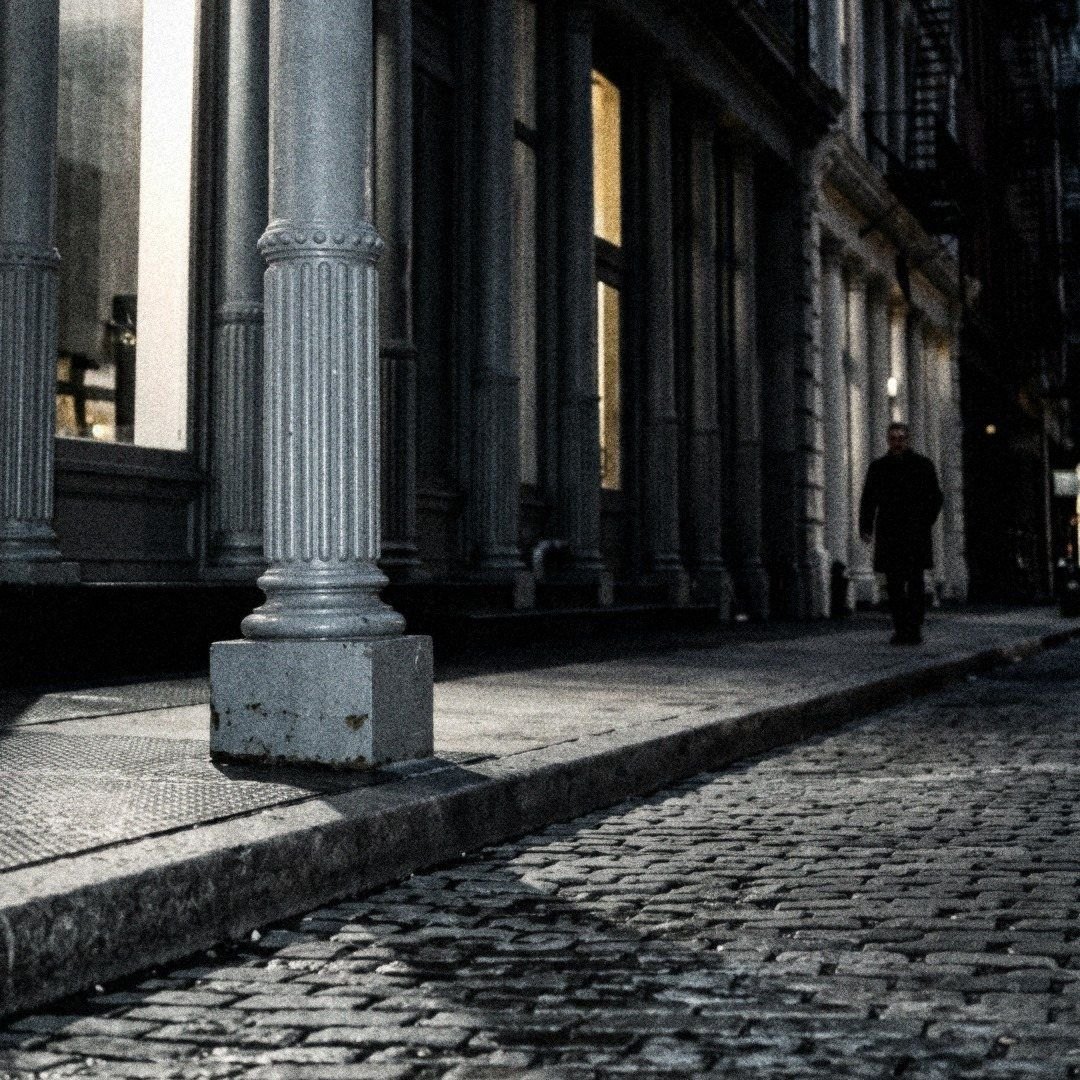
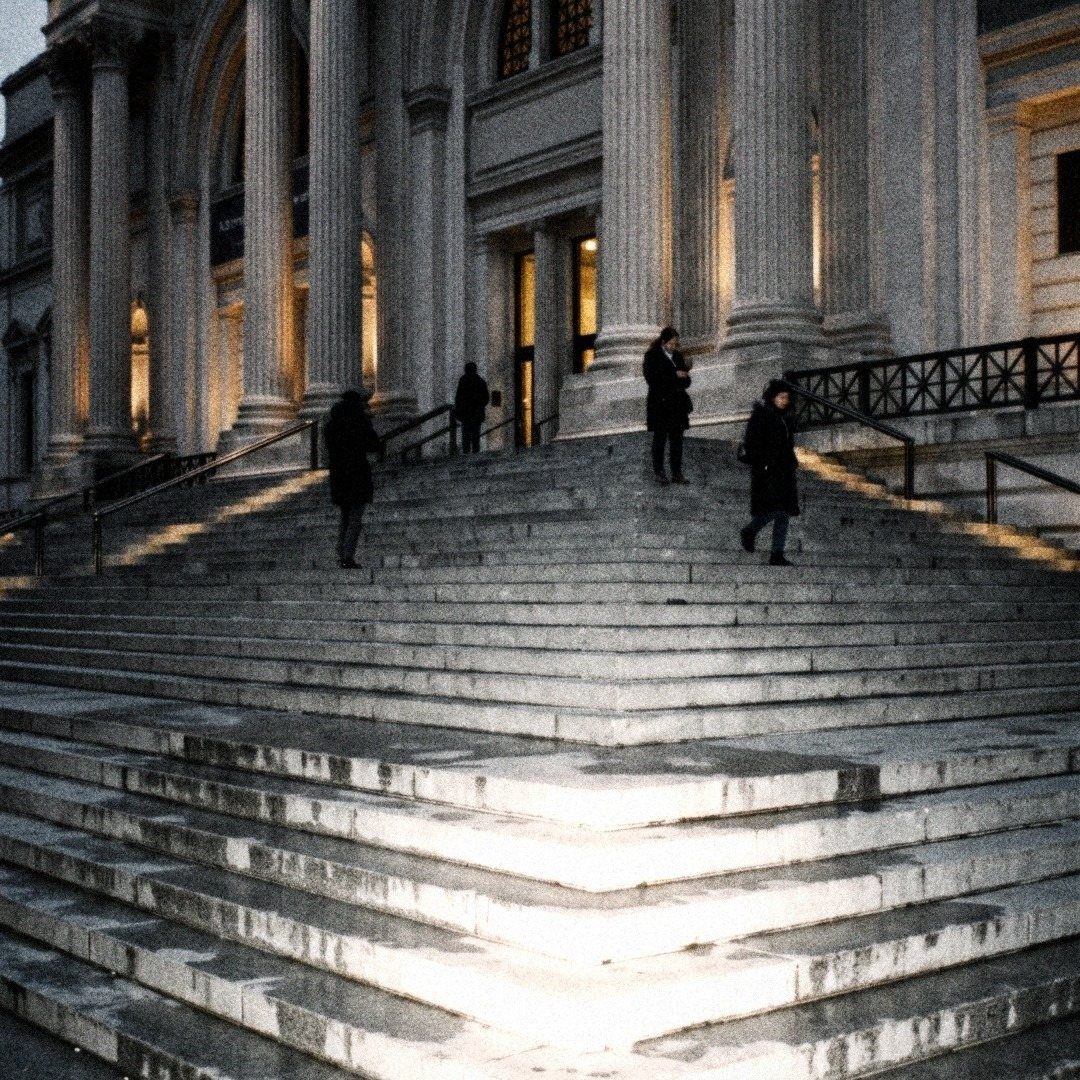
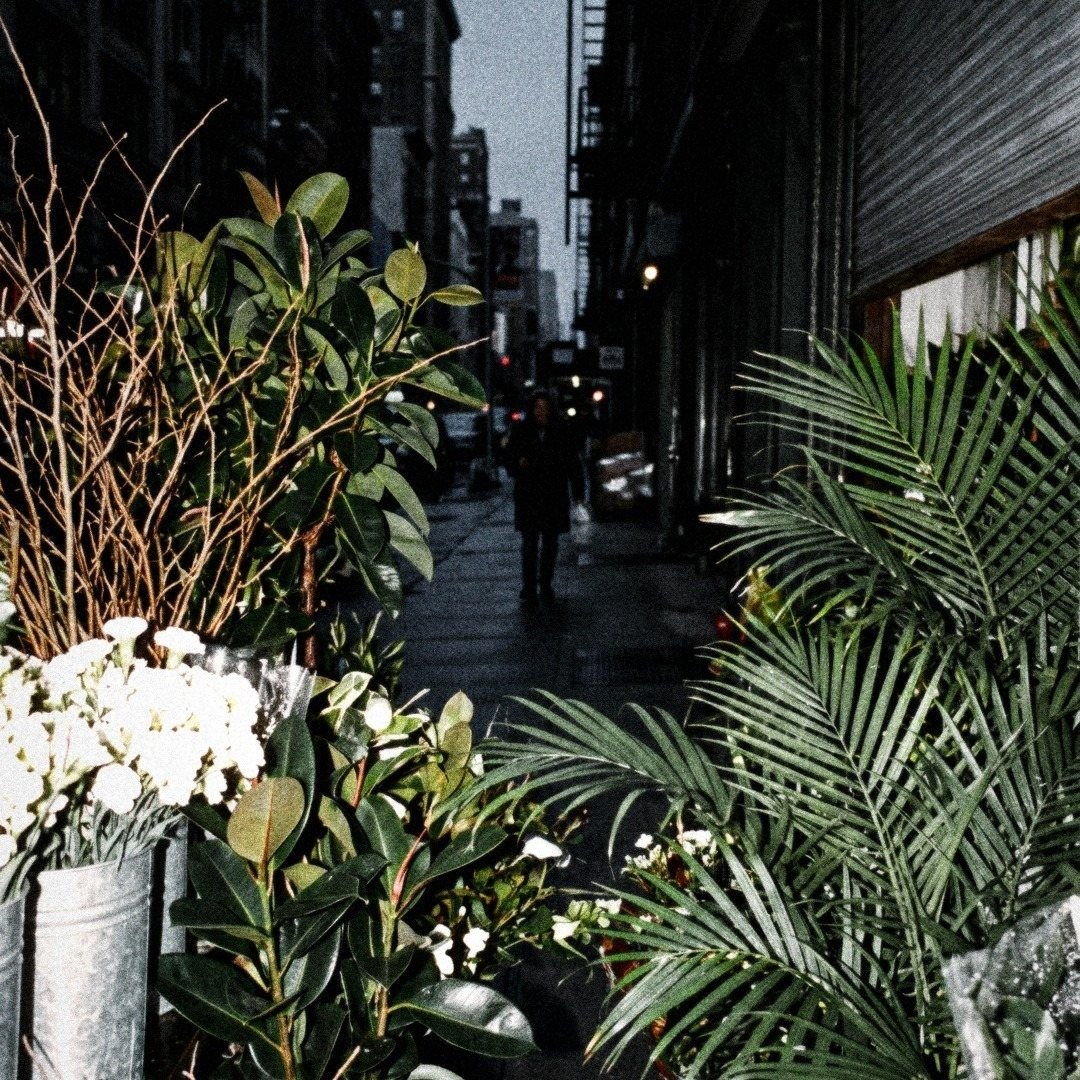
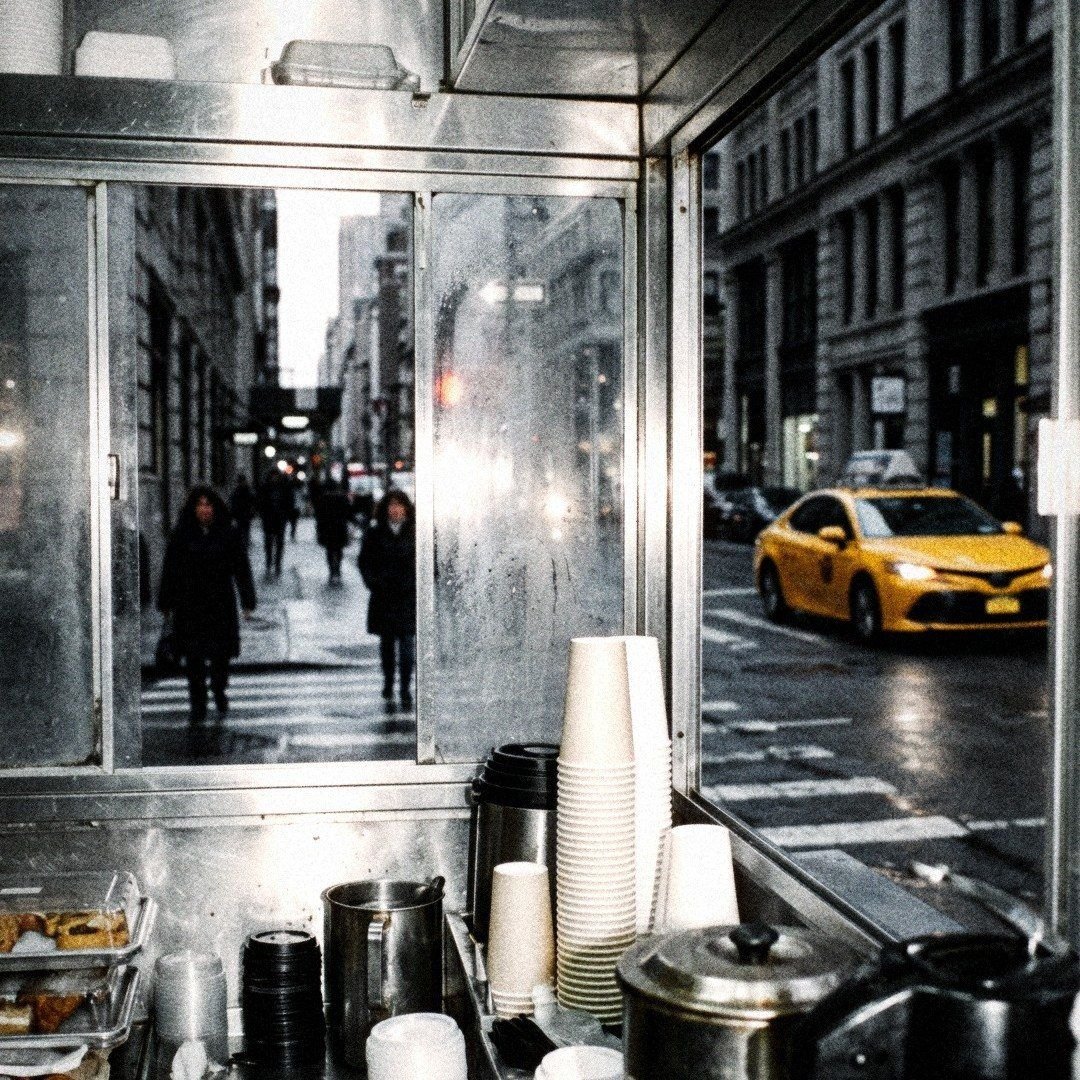
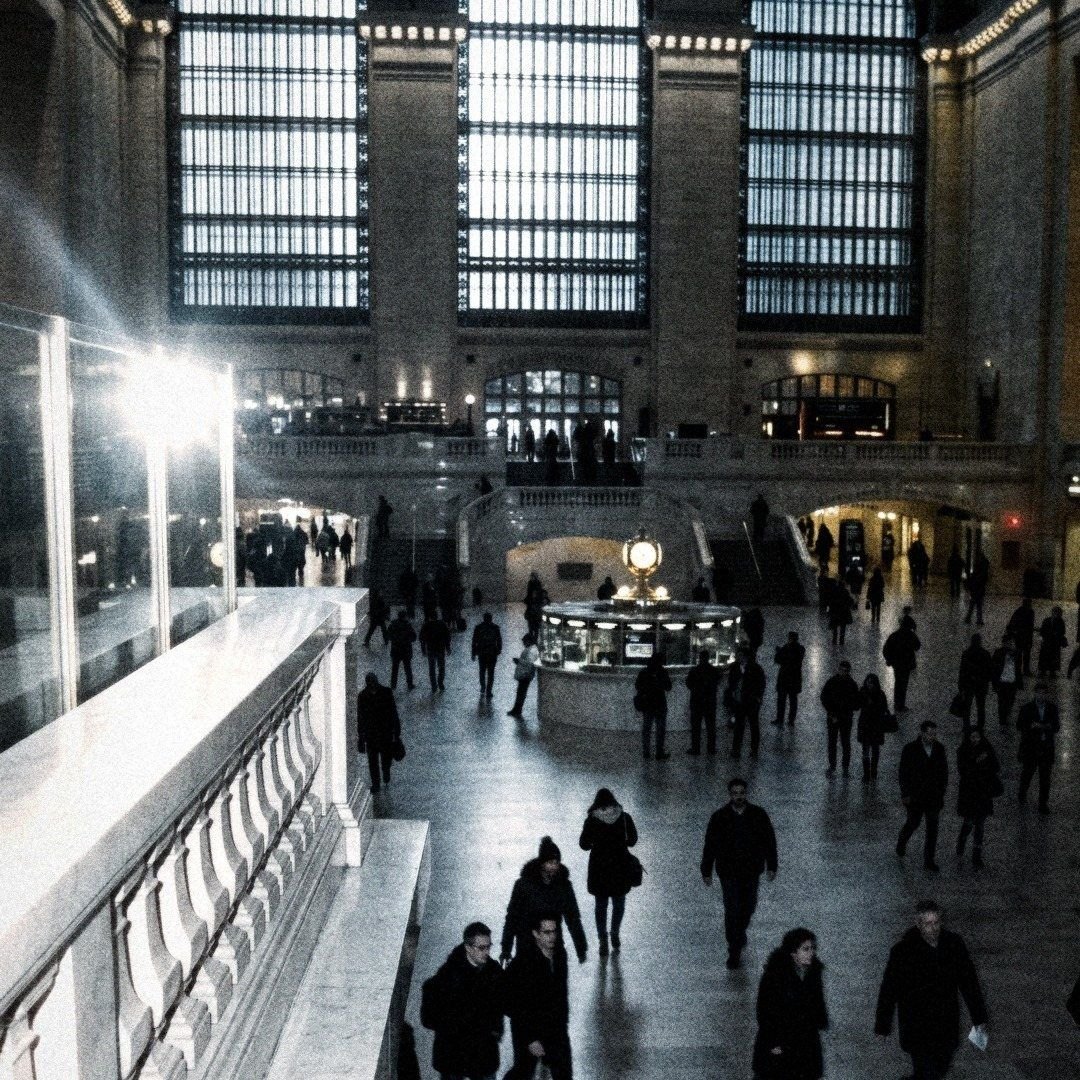
Today’s New York, shot like 1978
In which the first test looked expensive. It also looked generated.
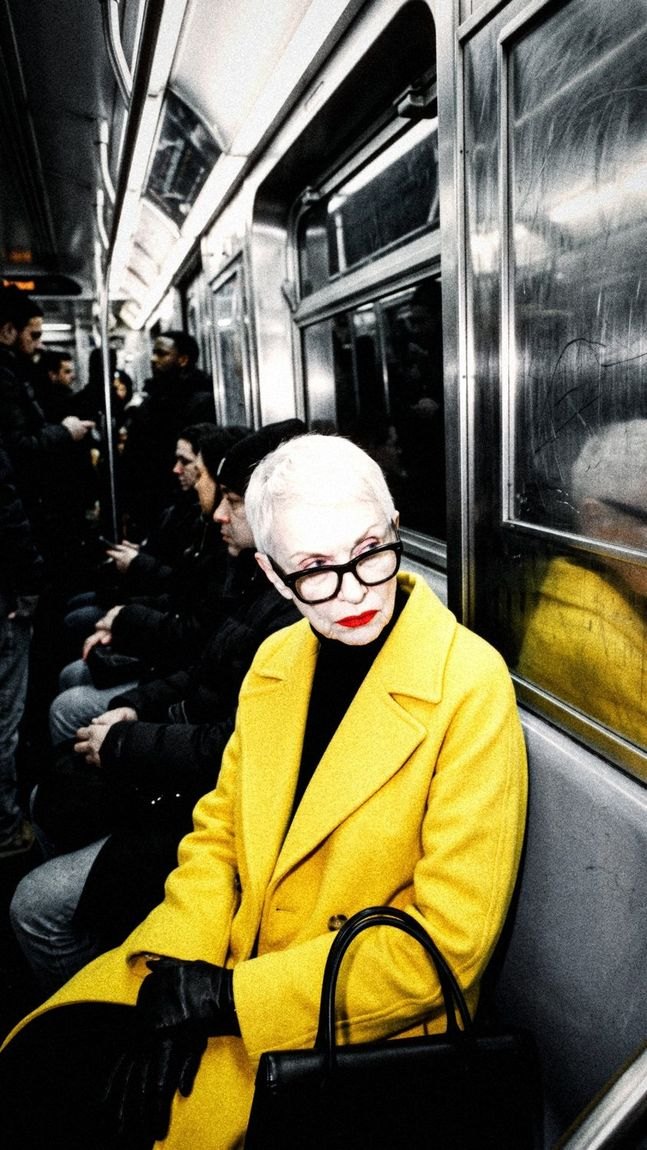
Newton’s staging, a point-and-shoot flash and the grain of Unzipped. One look for every character and every episode, so the series reads as one photographer’s work.
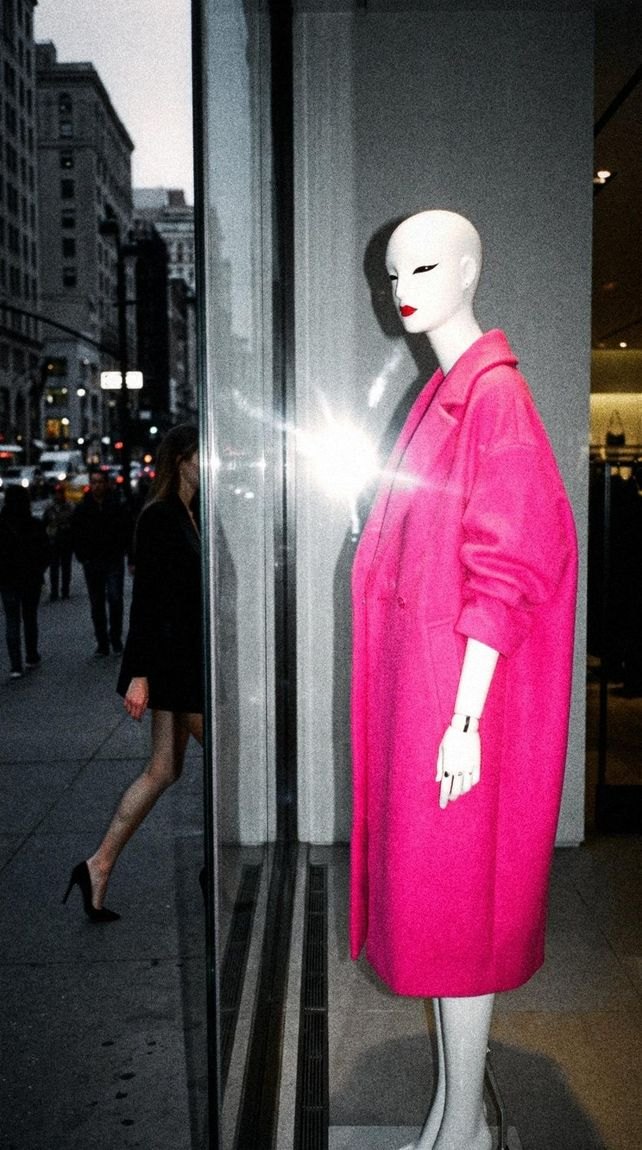
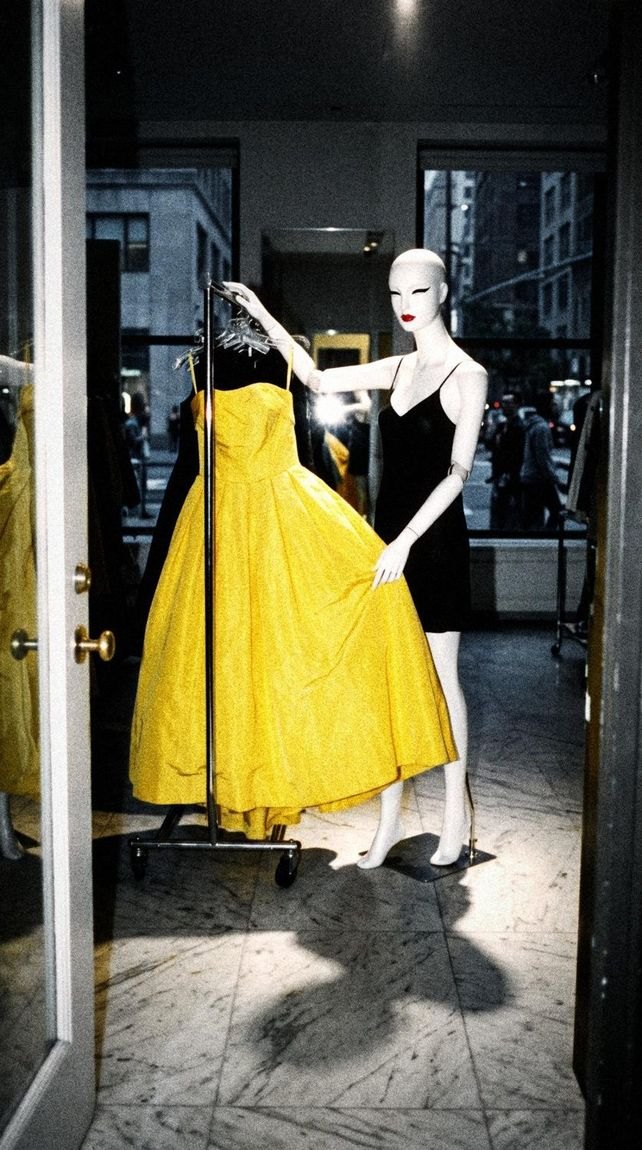
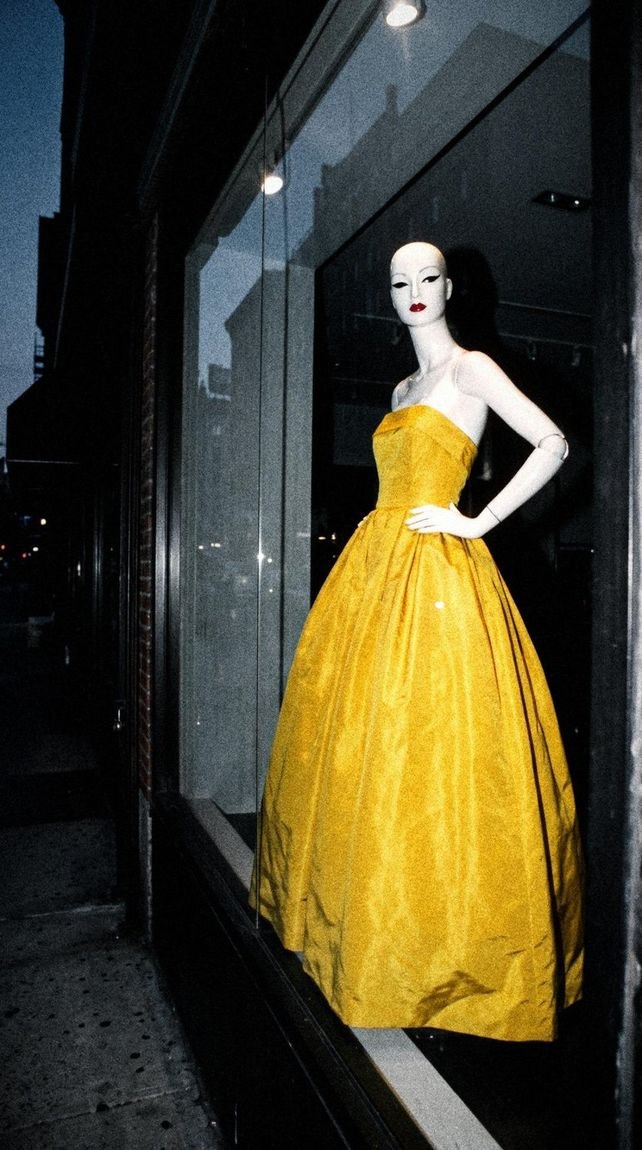
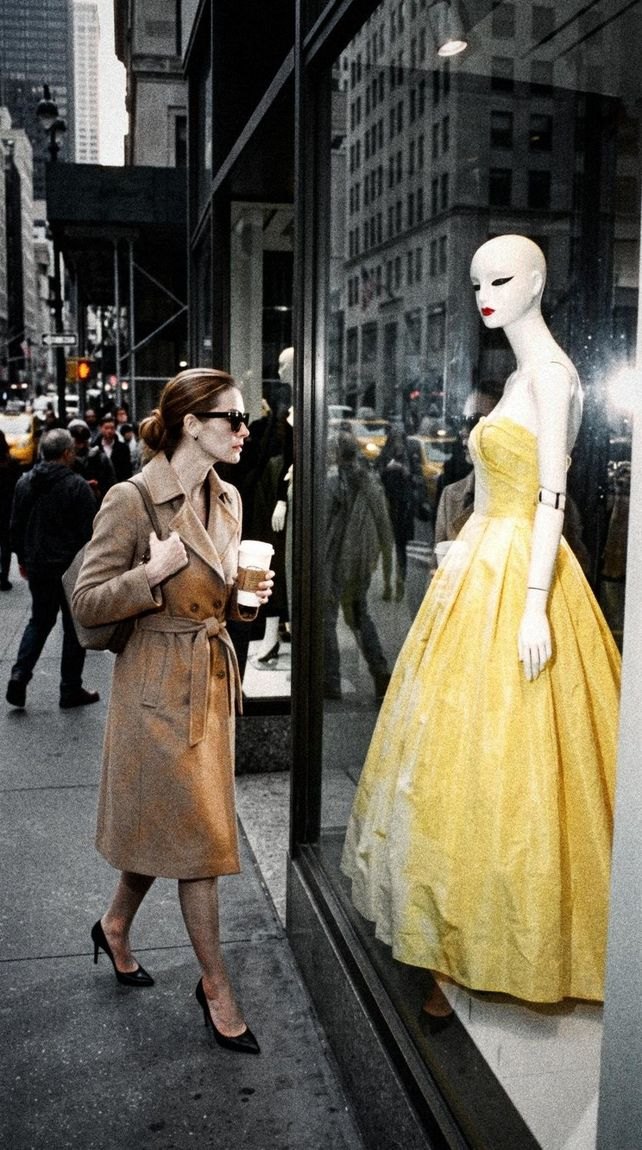
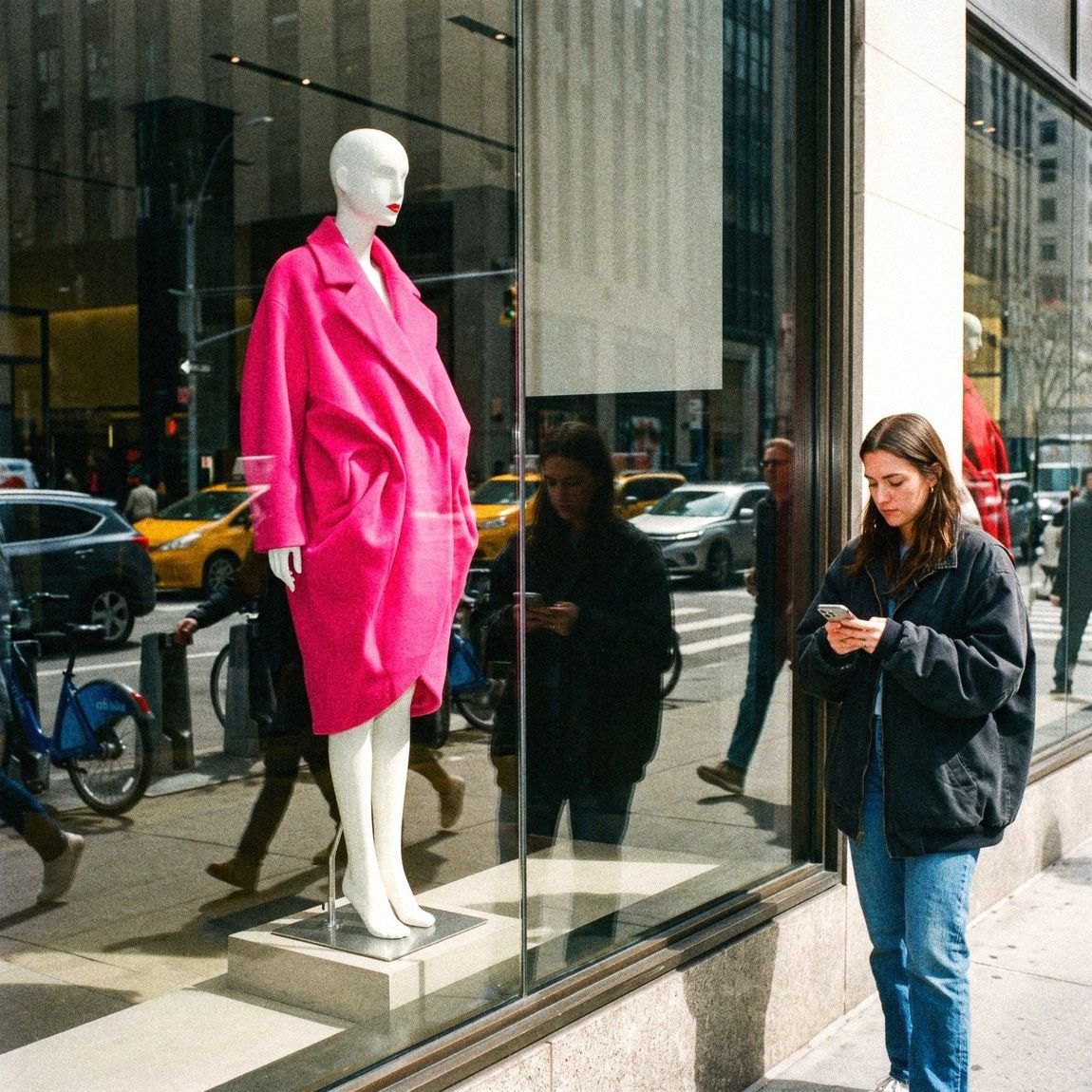
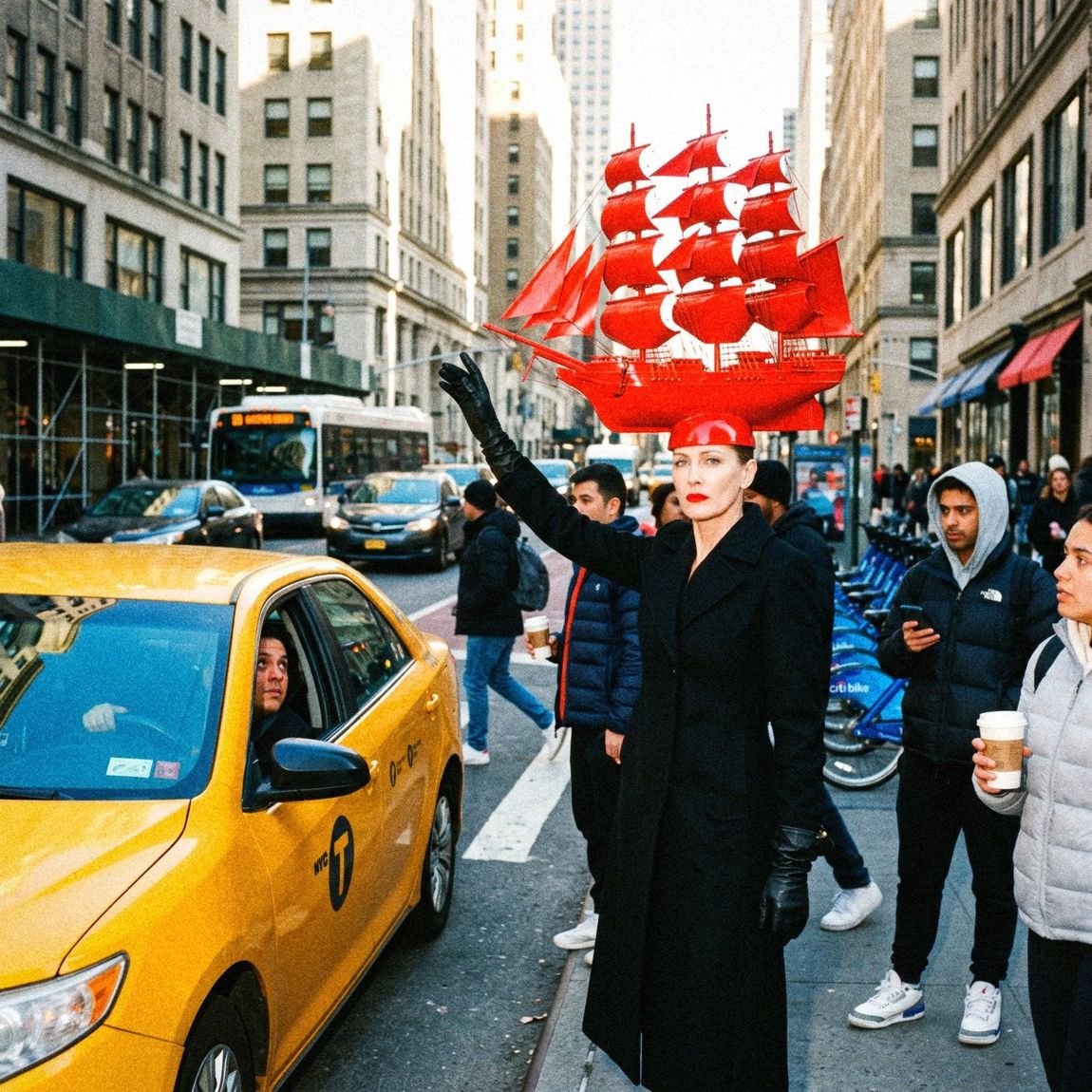
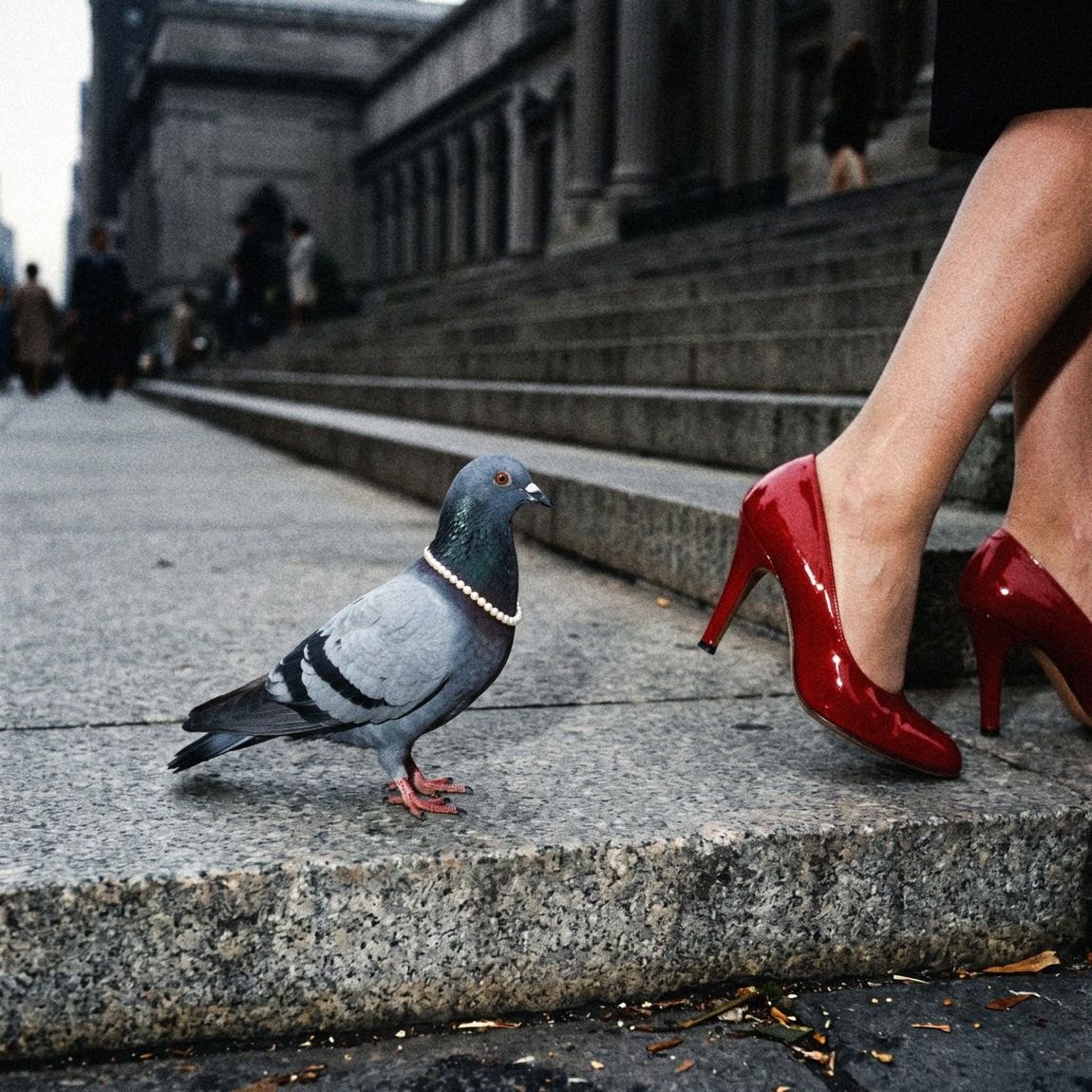
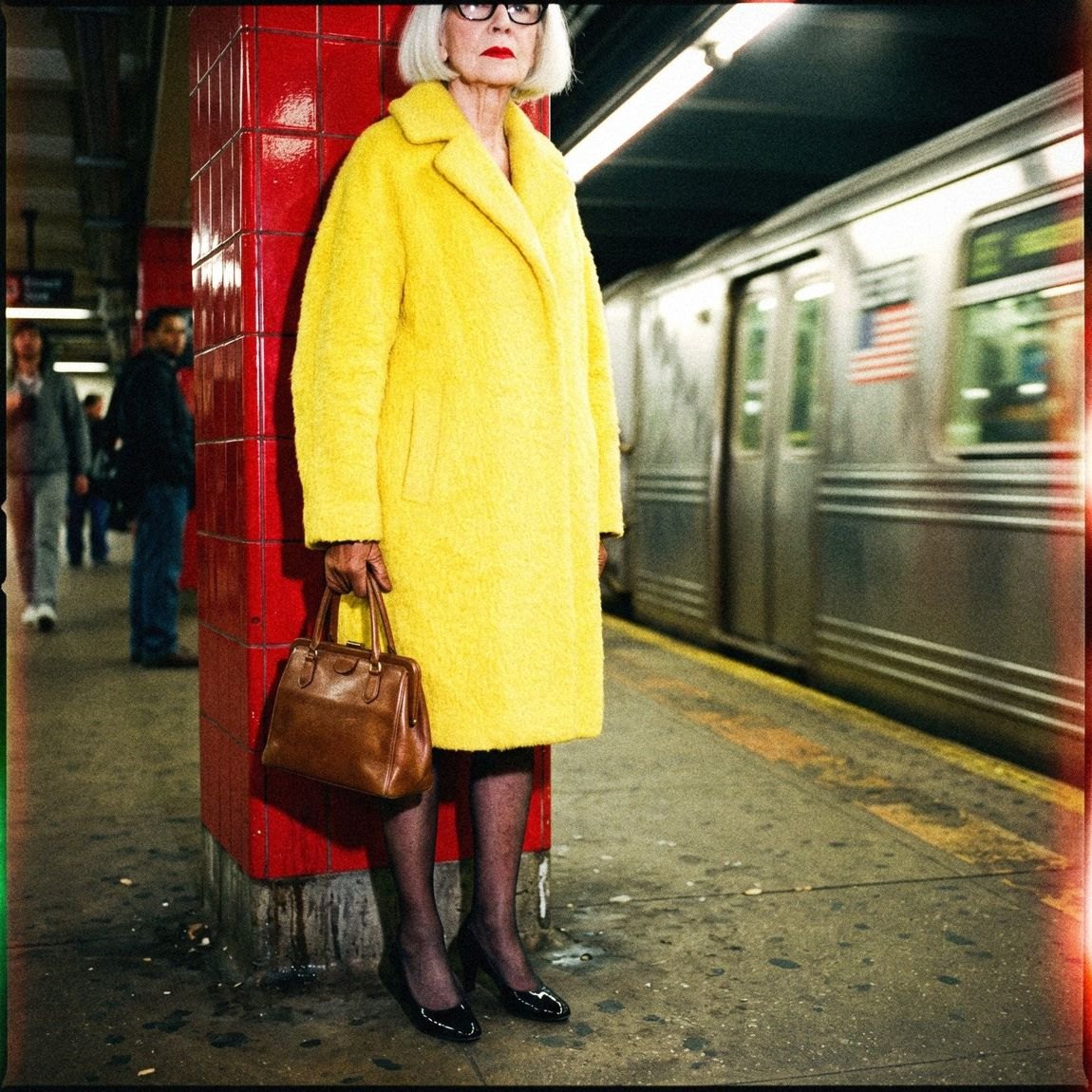
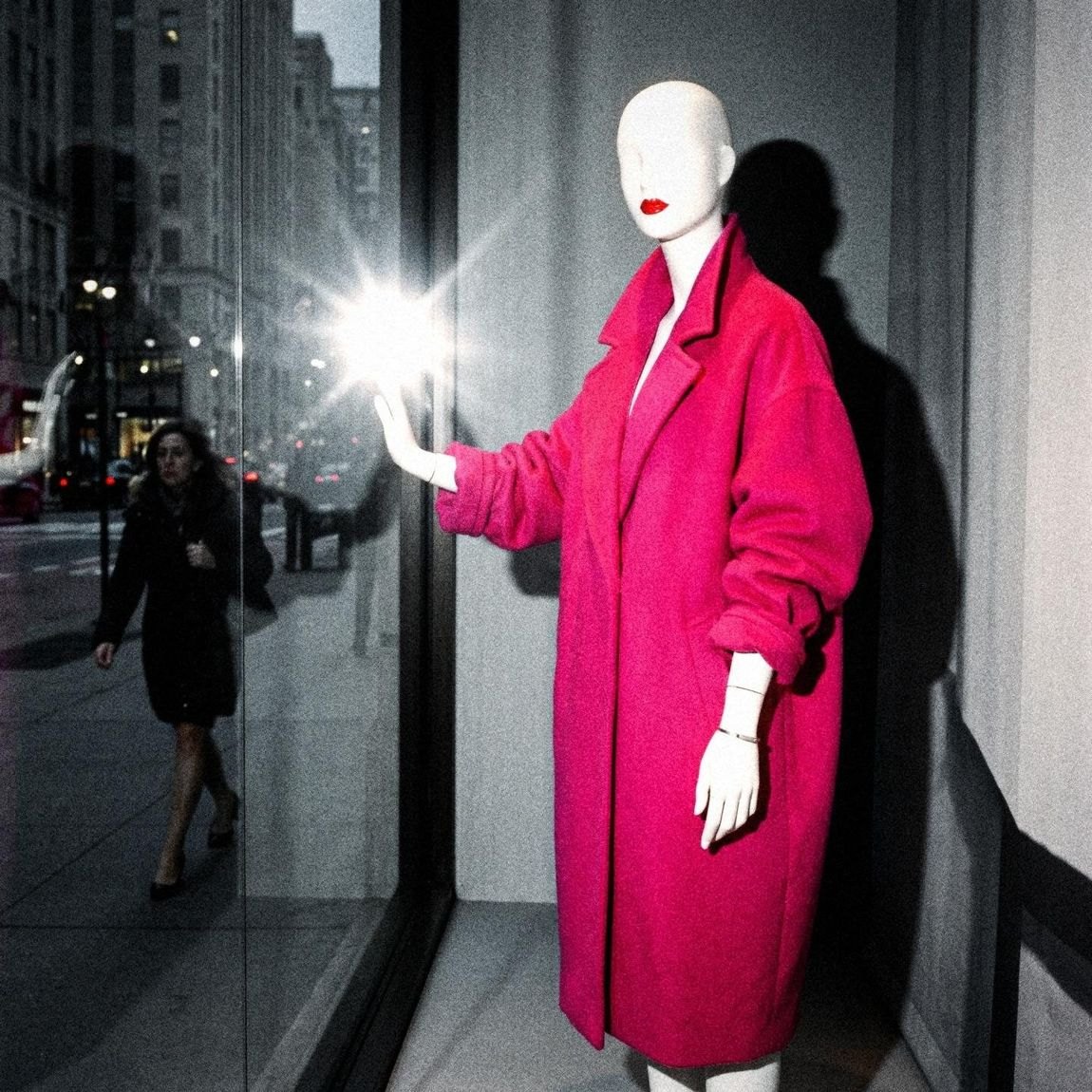
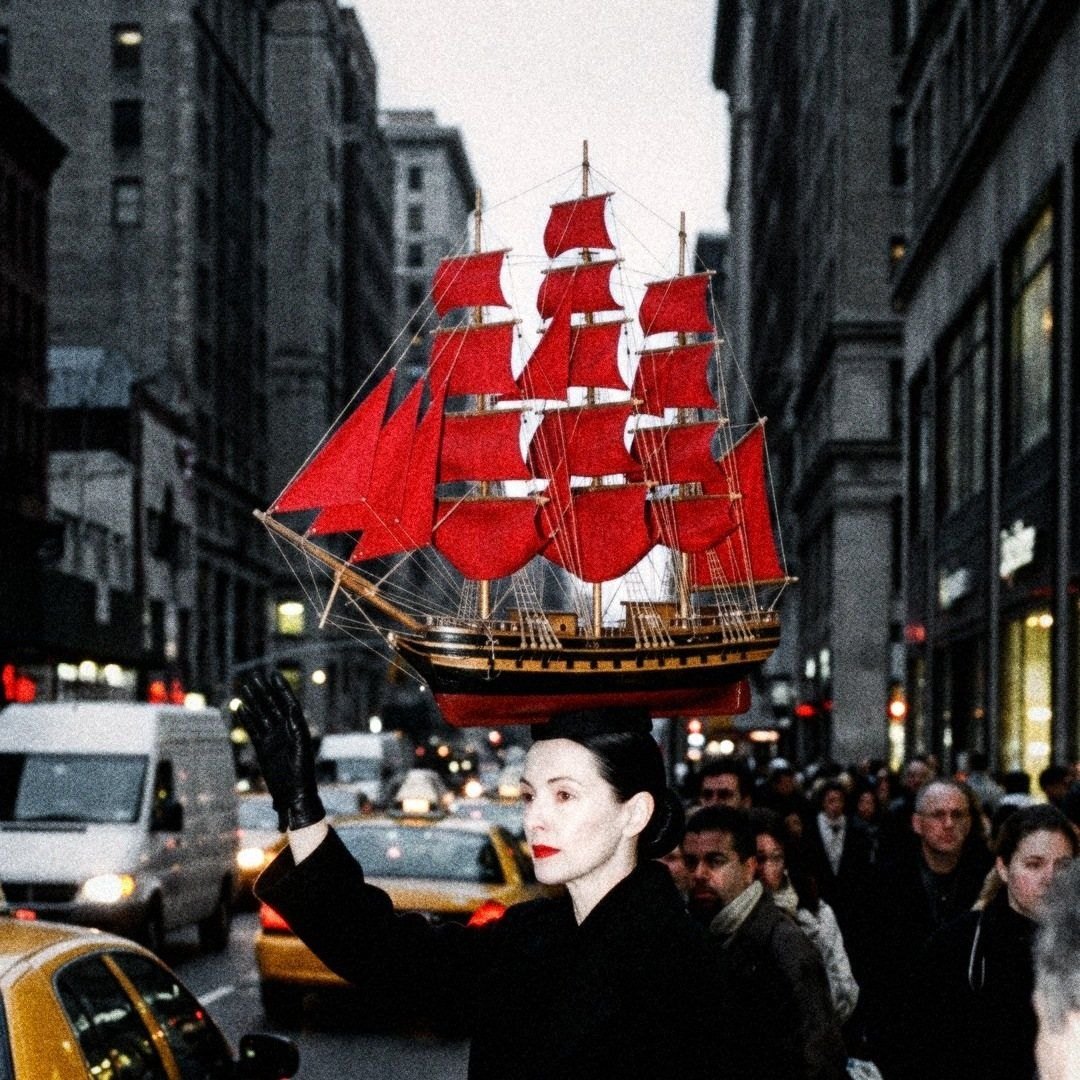
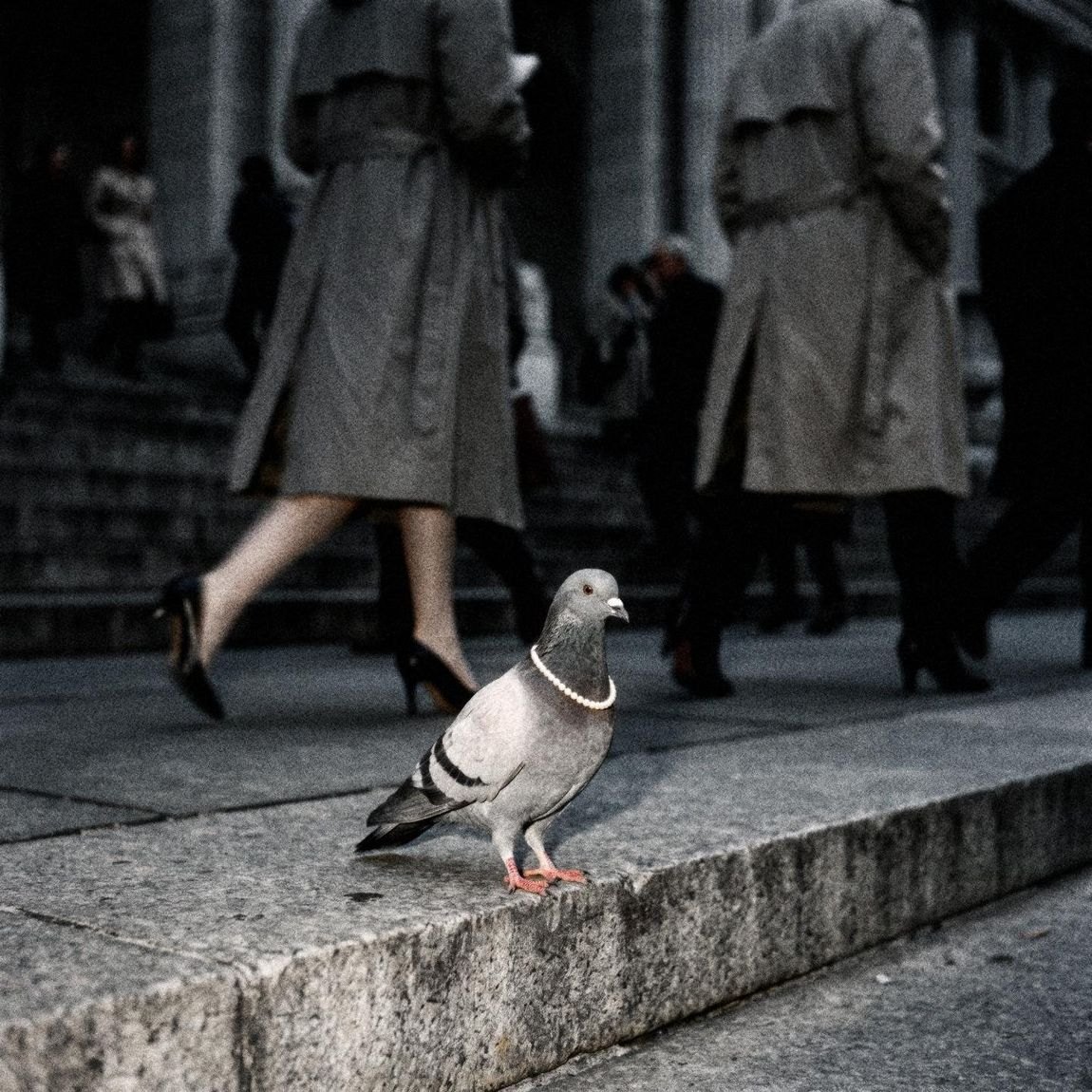
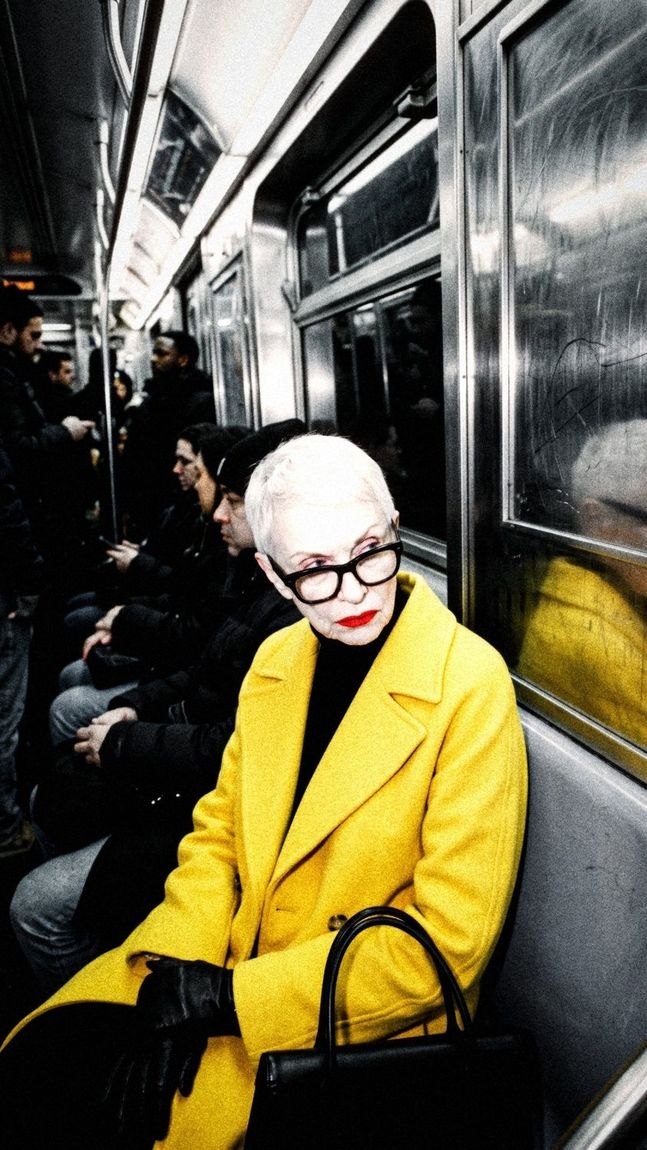
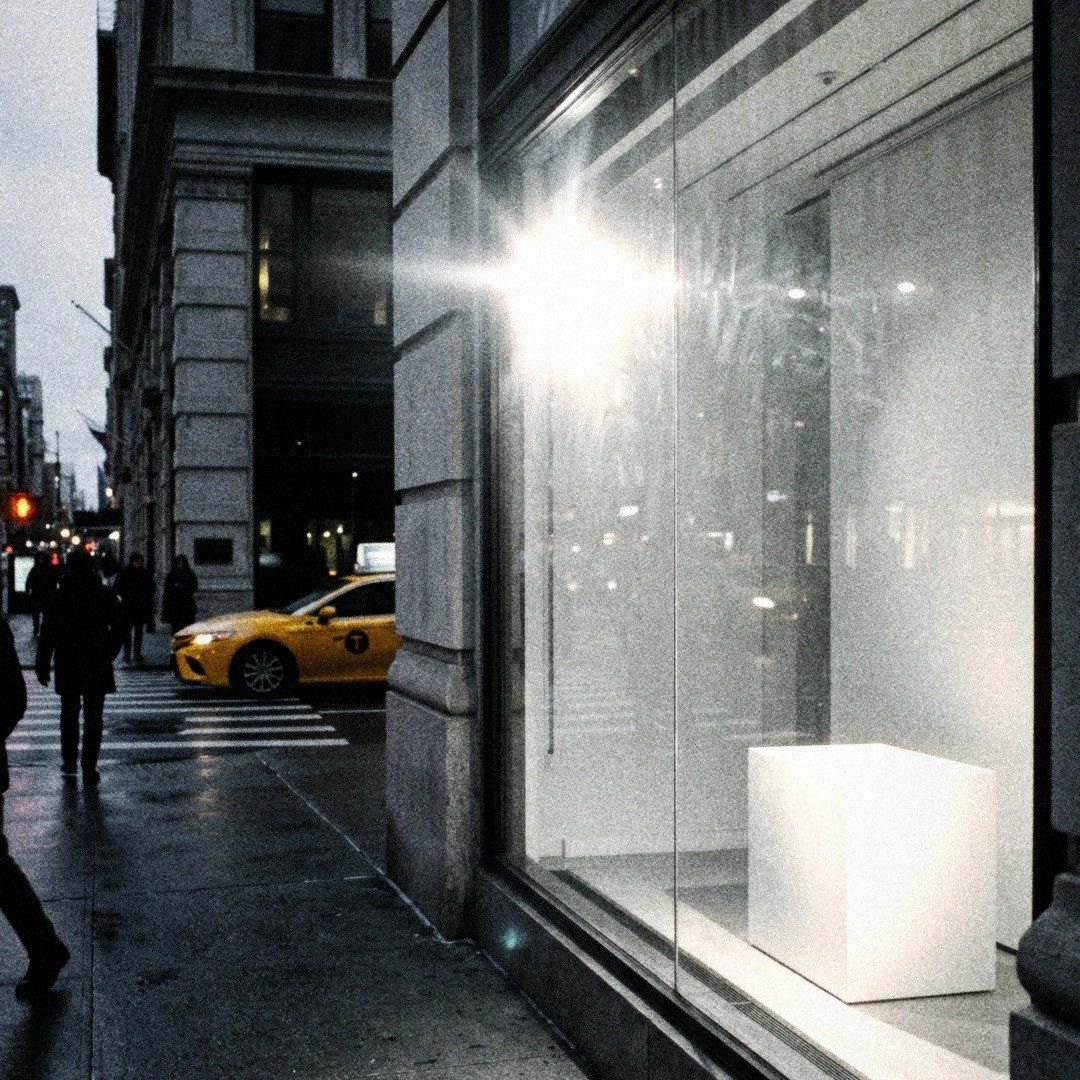
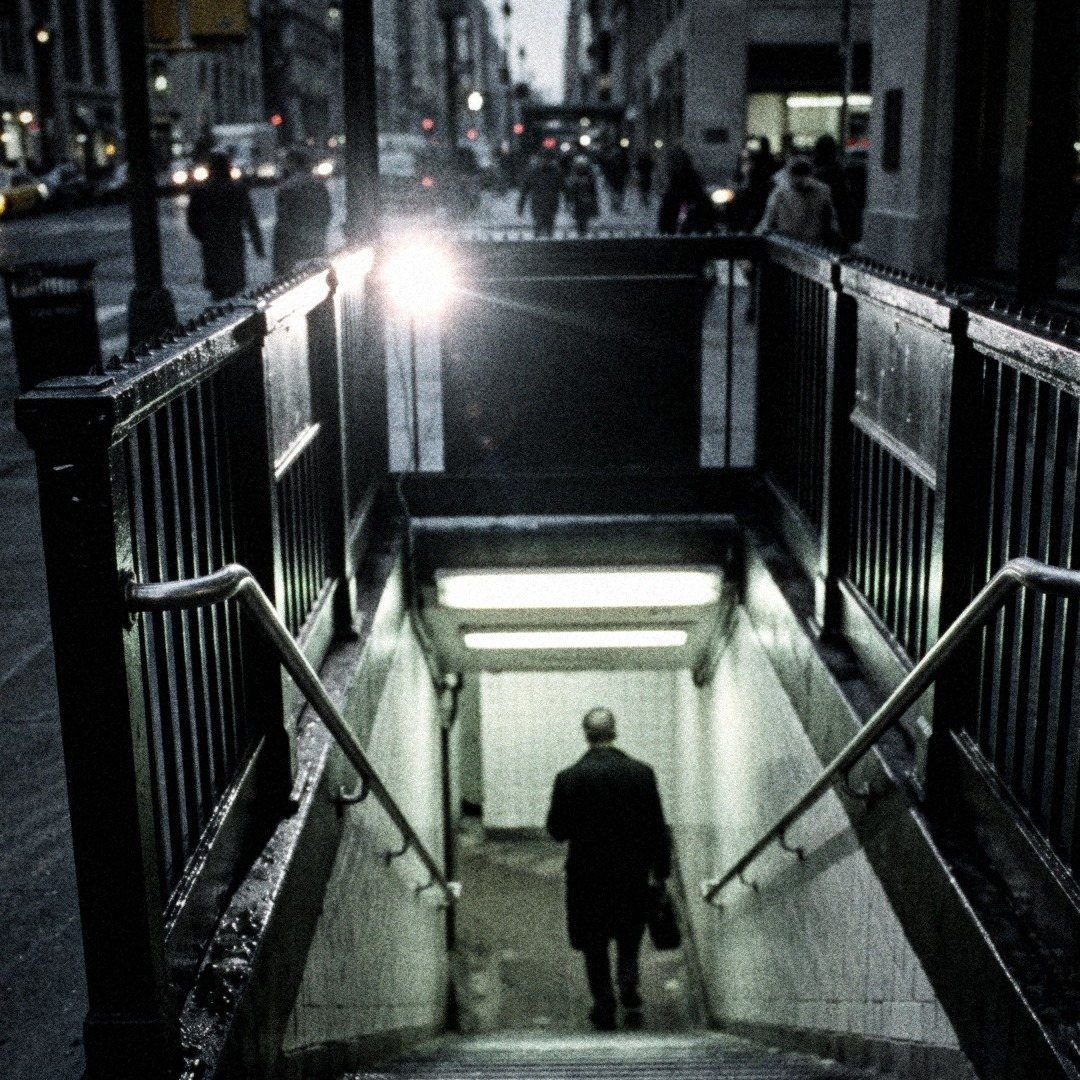
Thirty-six written, four cast
In which each one owns one color.
Each character had to be described in a single line and carry a run of one-beat jokes. The launch four each own one color, so you can tell them apart from a thumbnail.
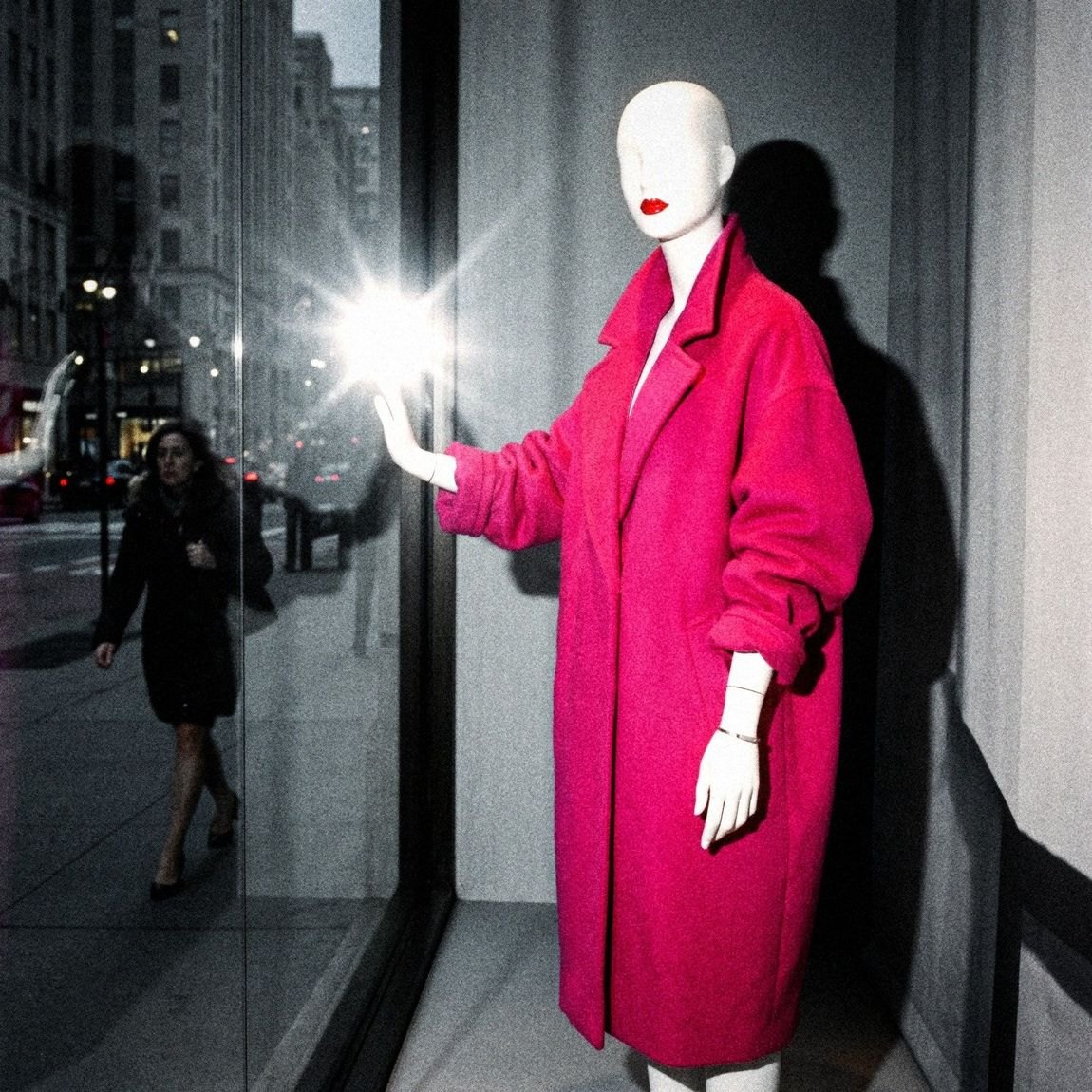
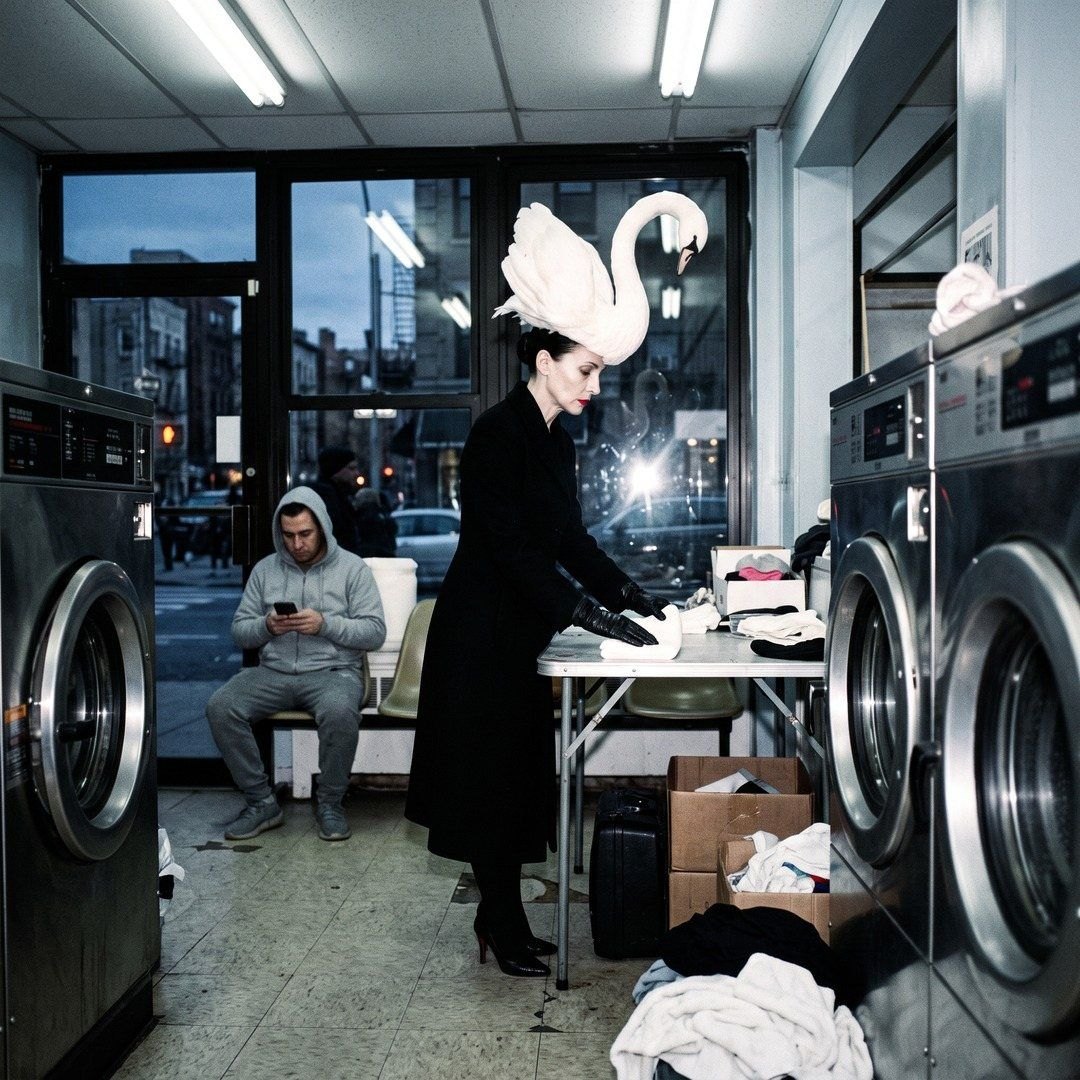
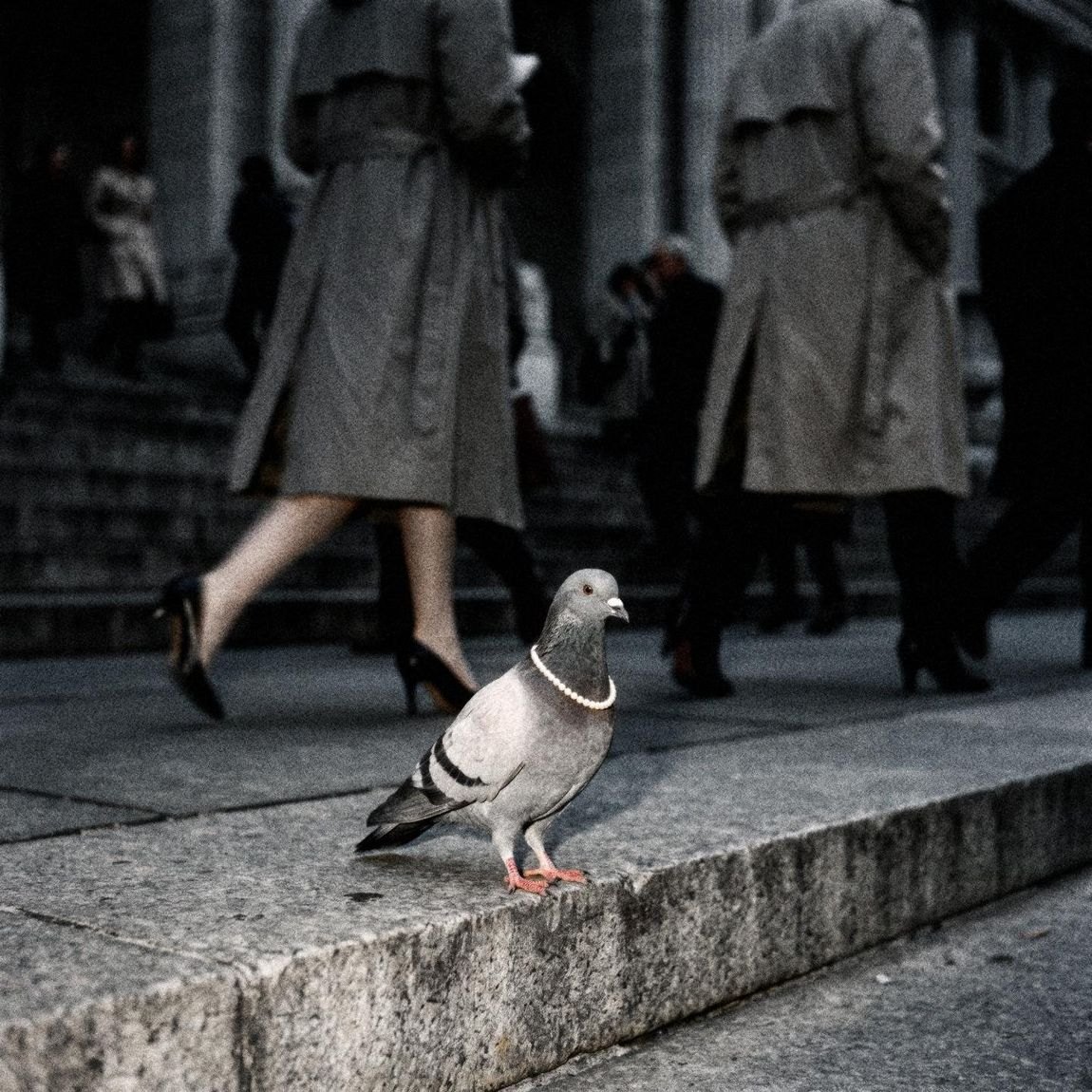
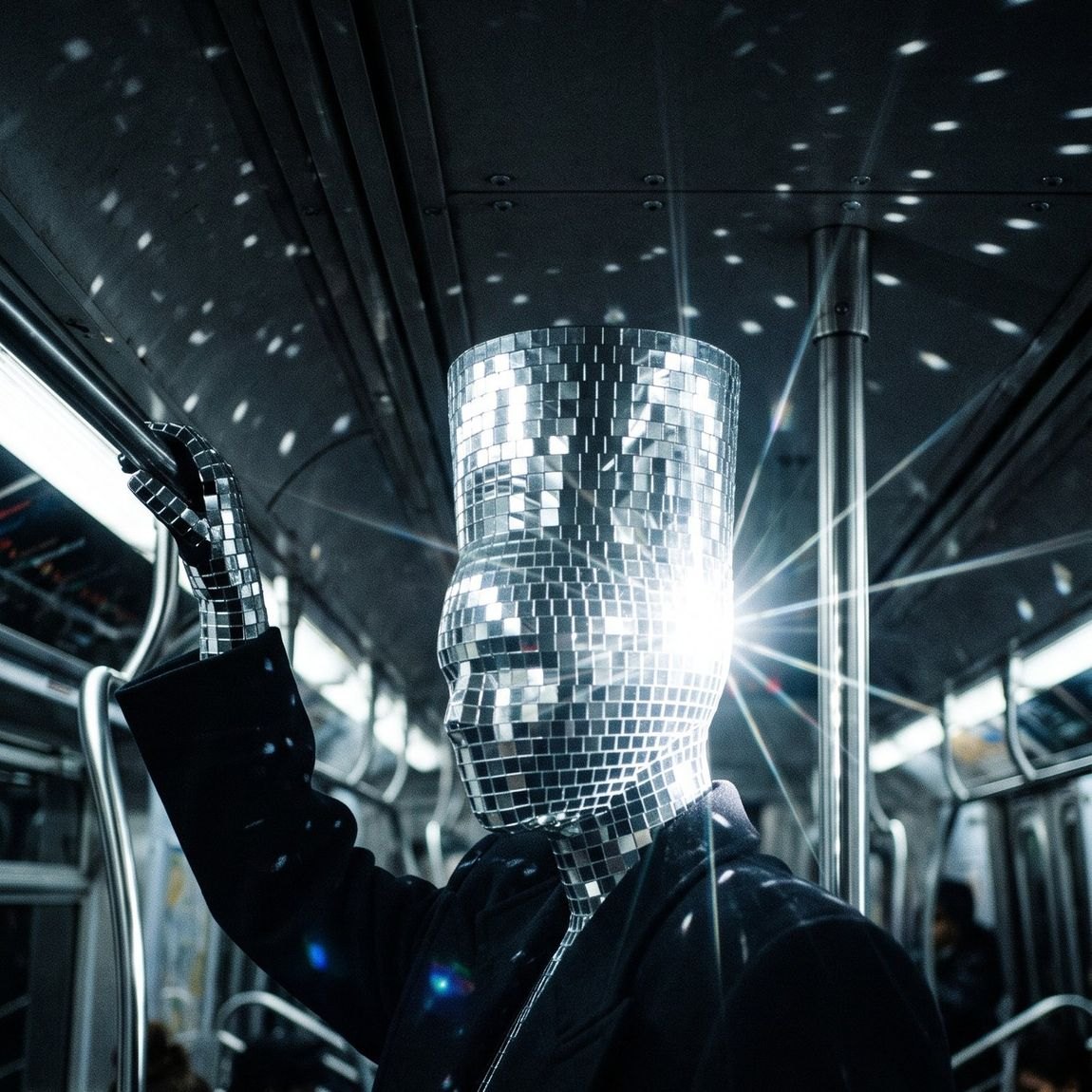
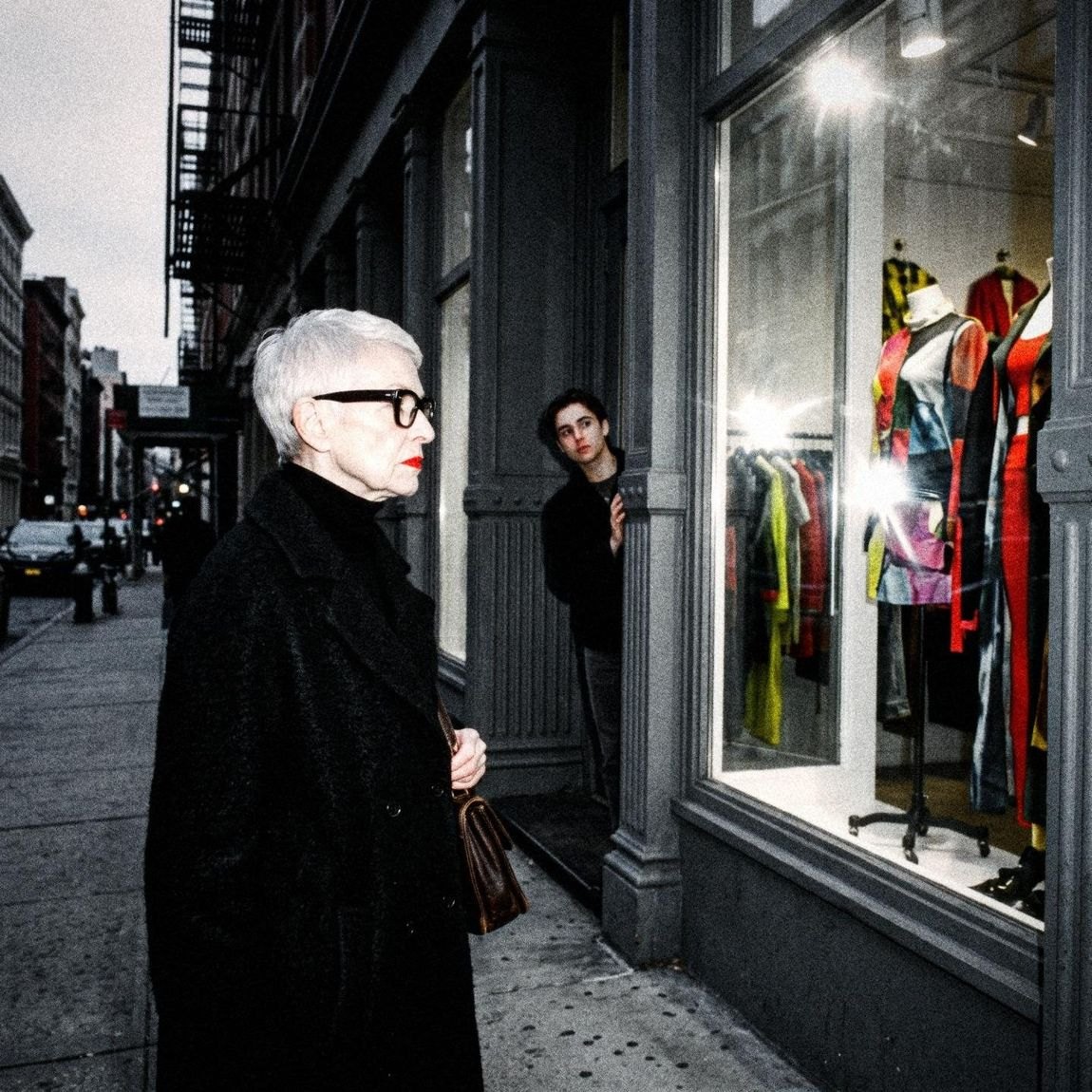
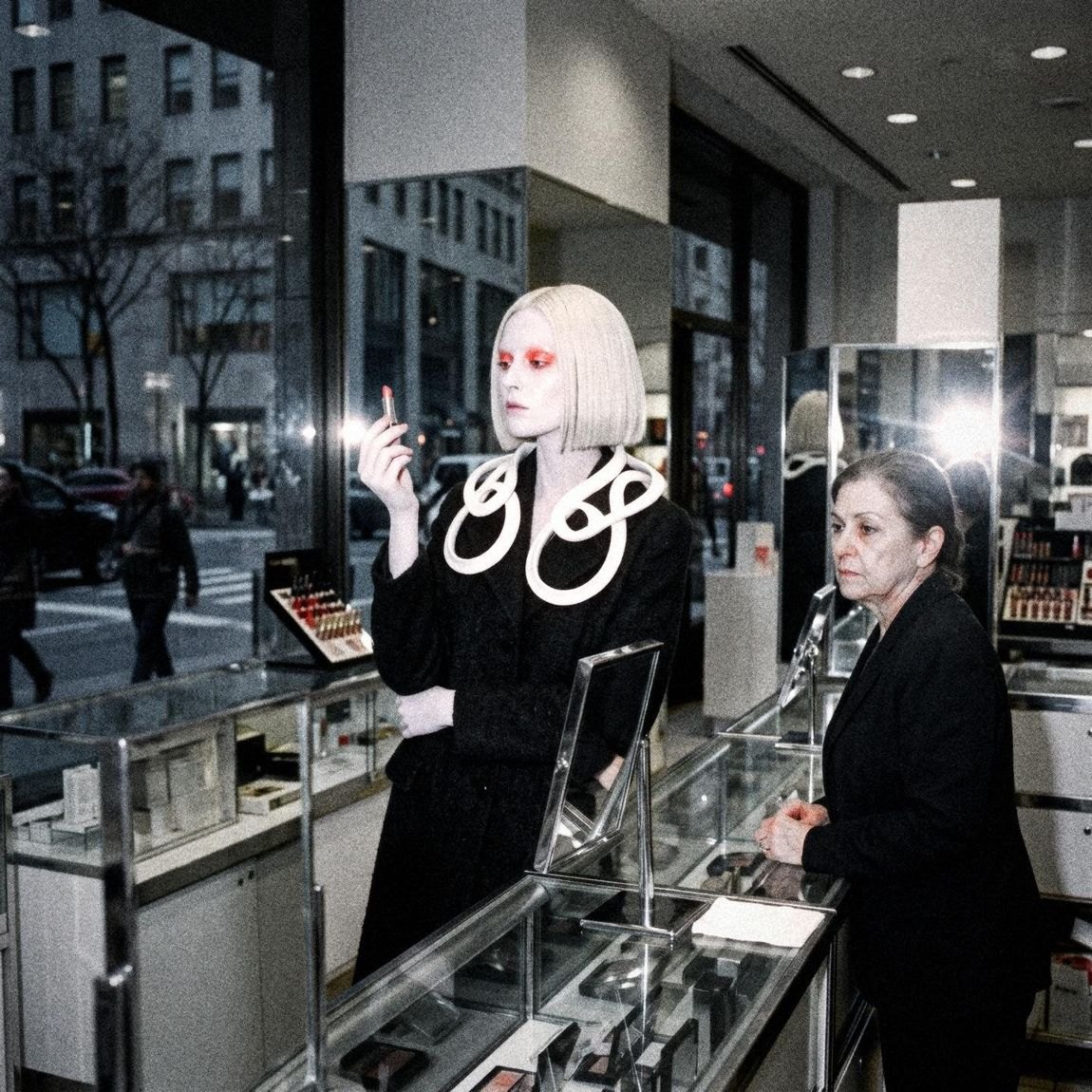
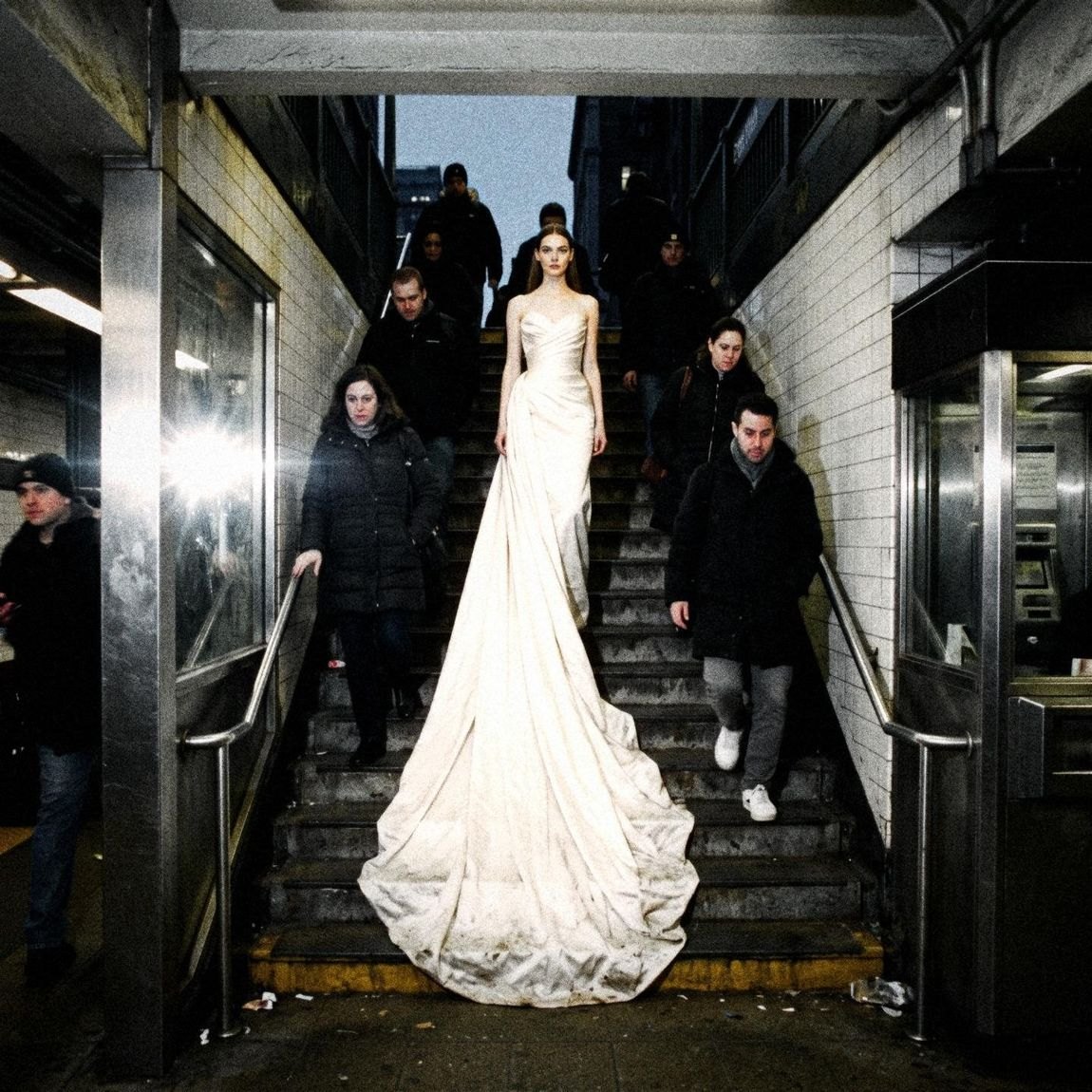
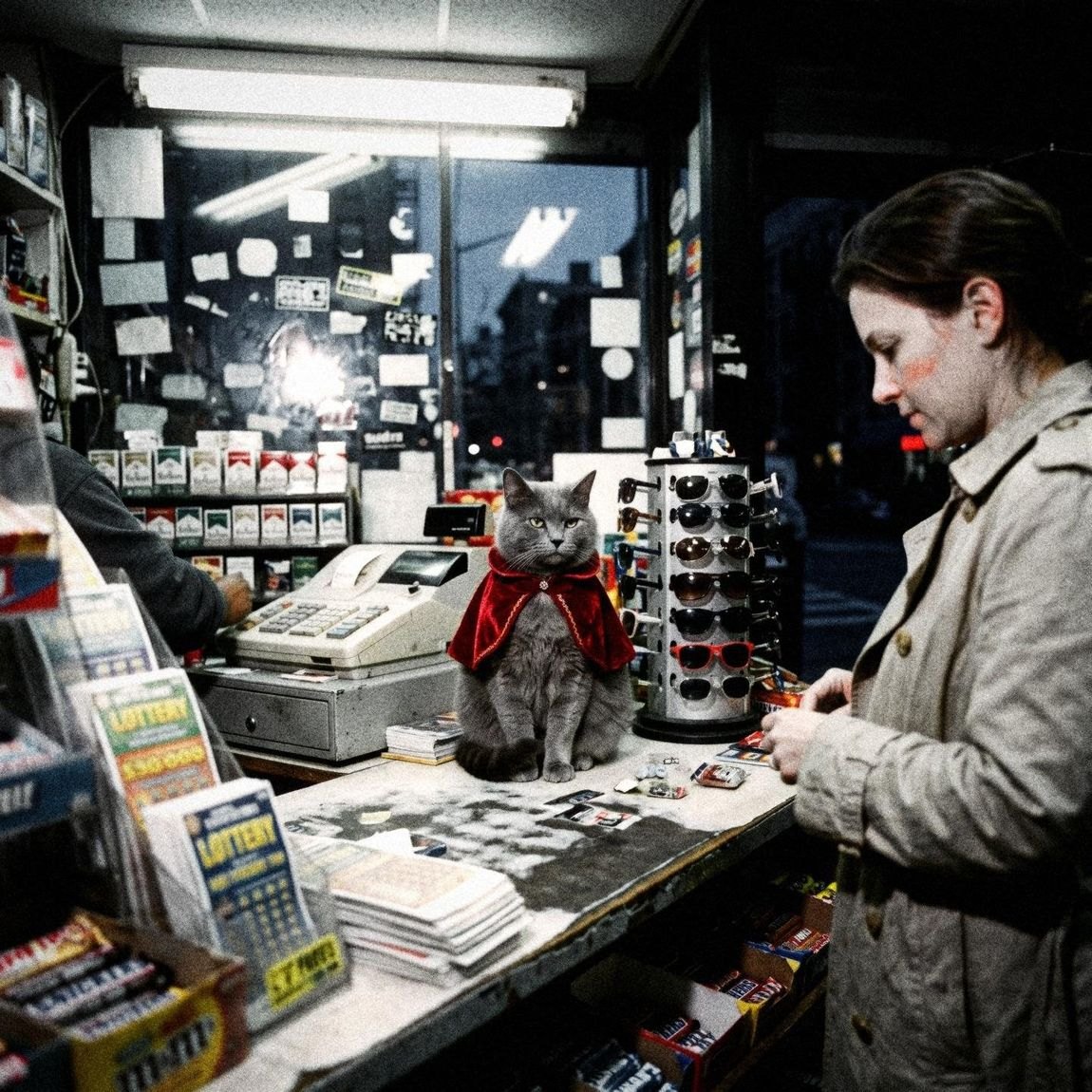
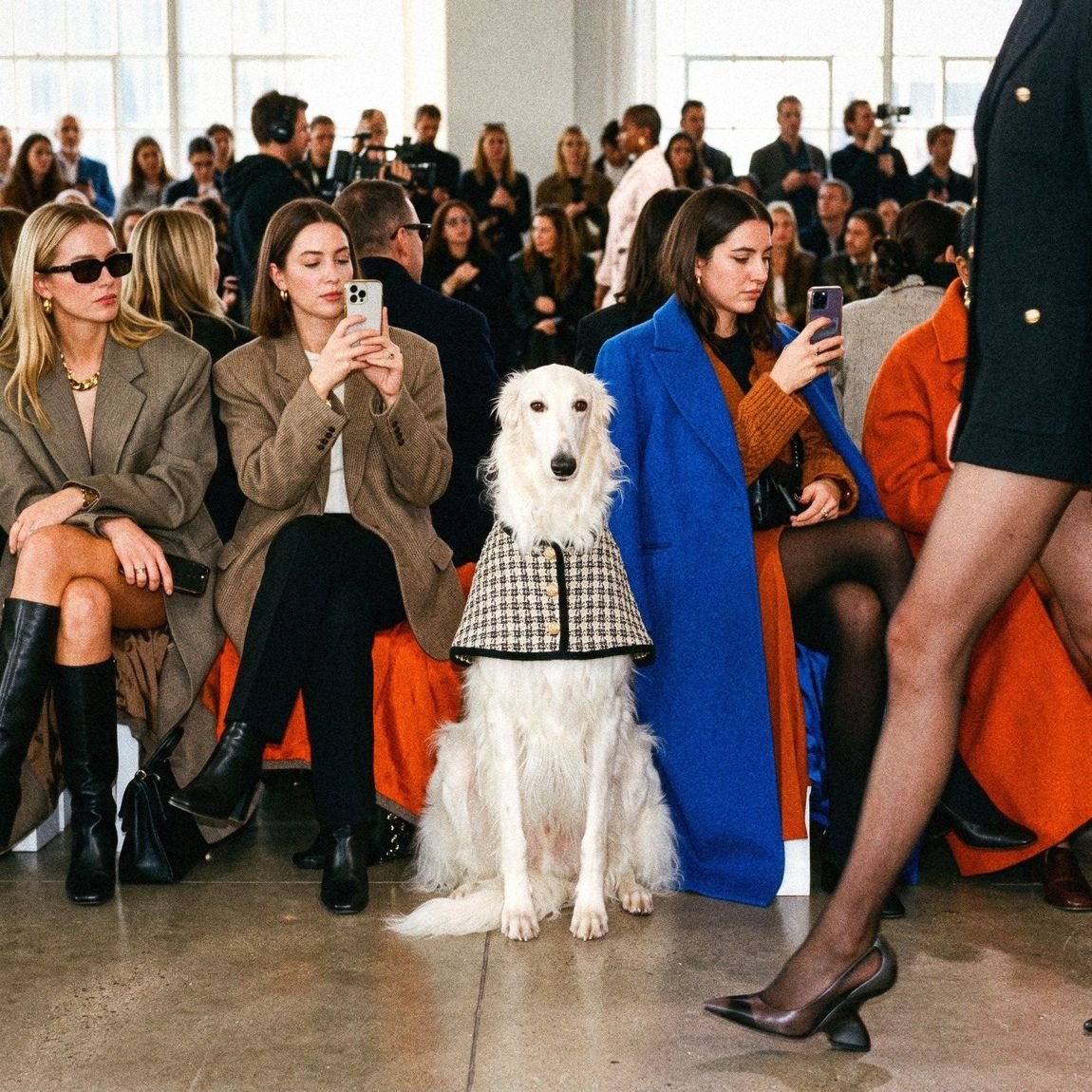
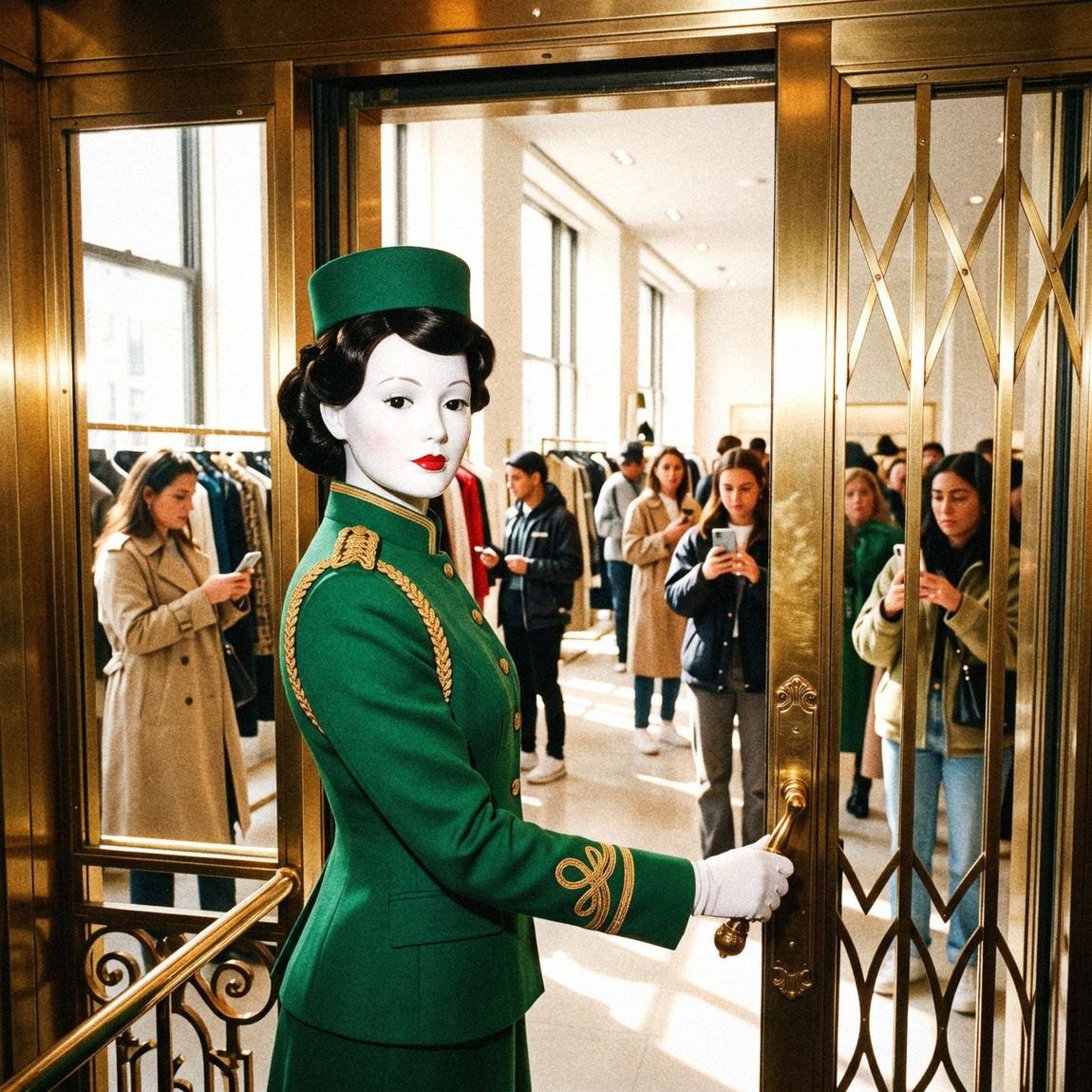
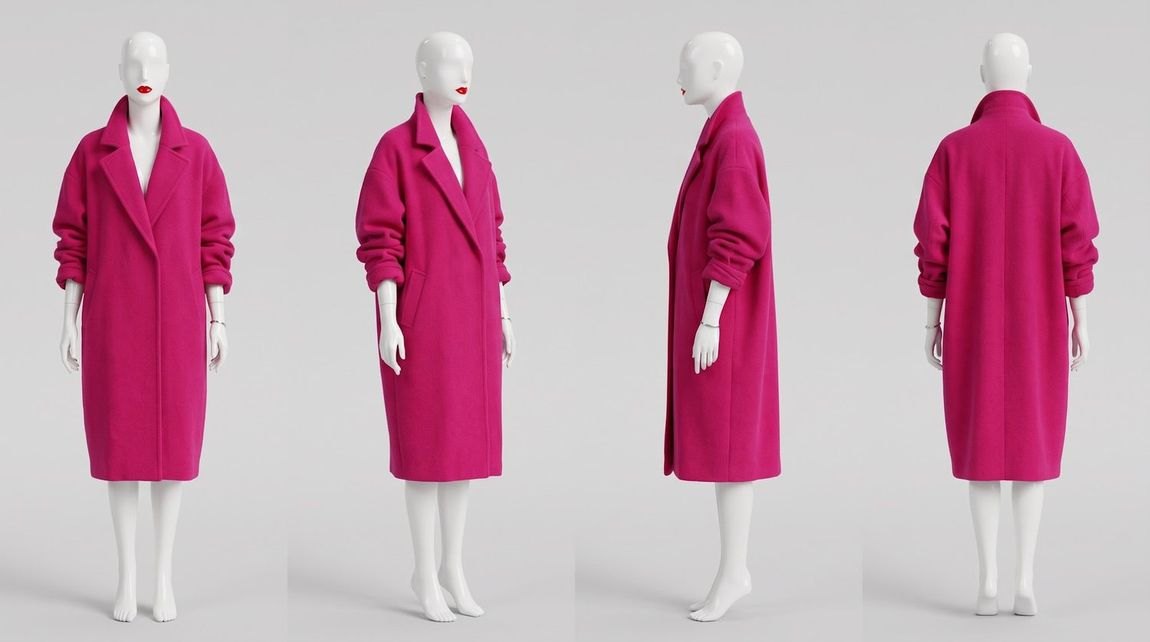
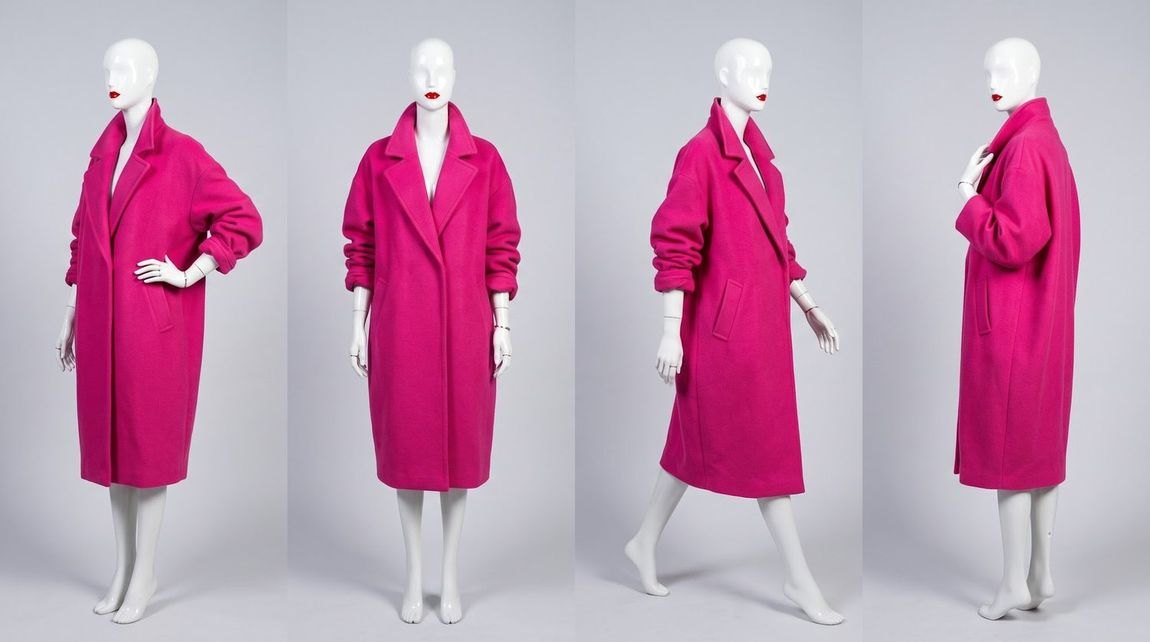
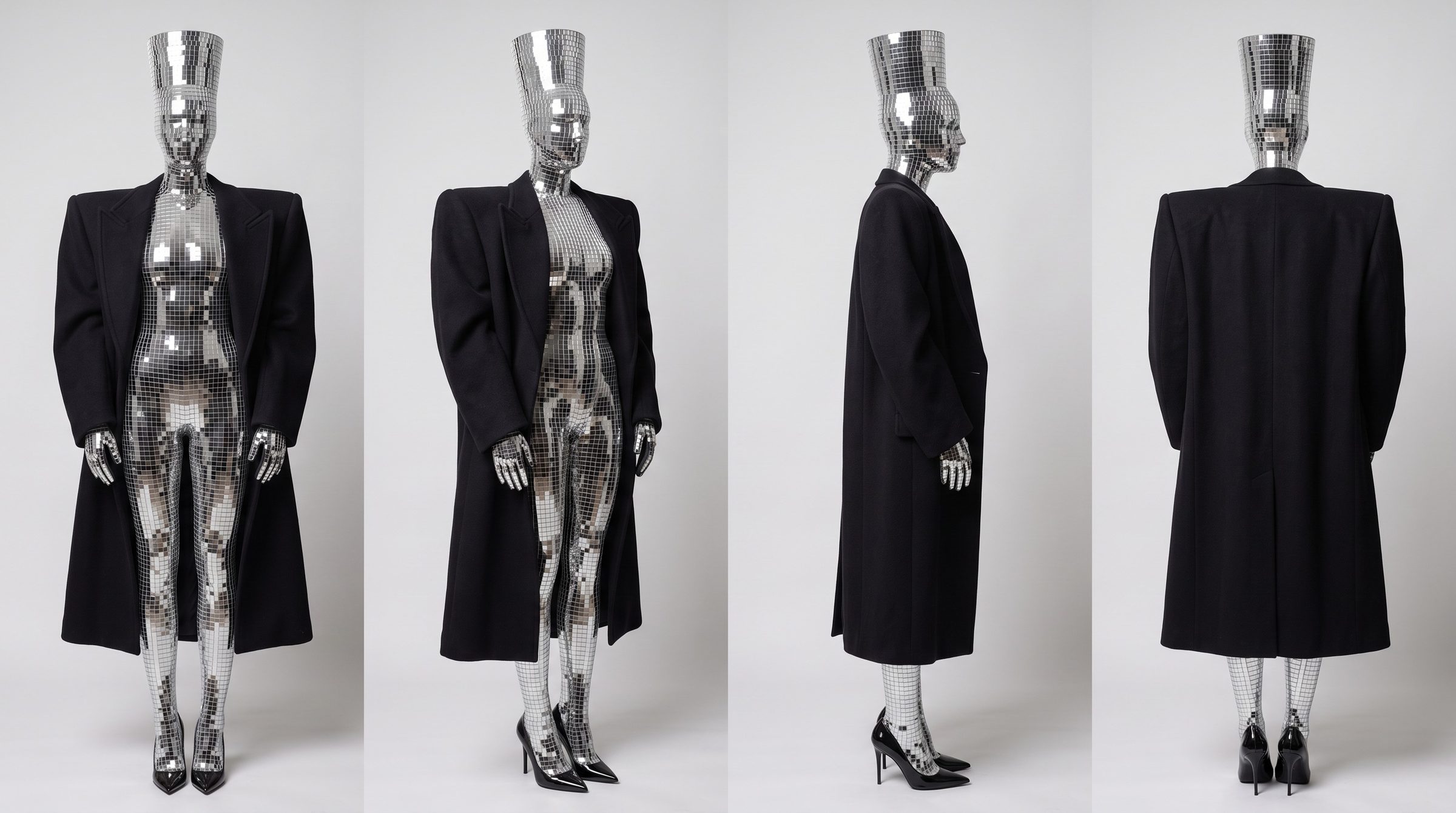
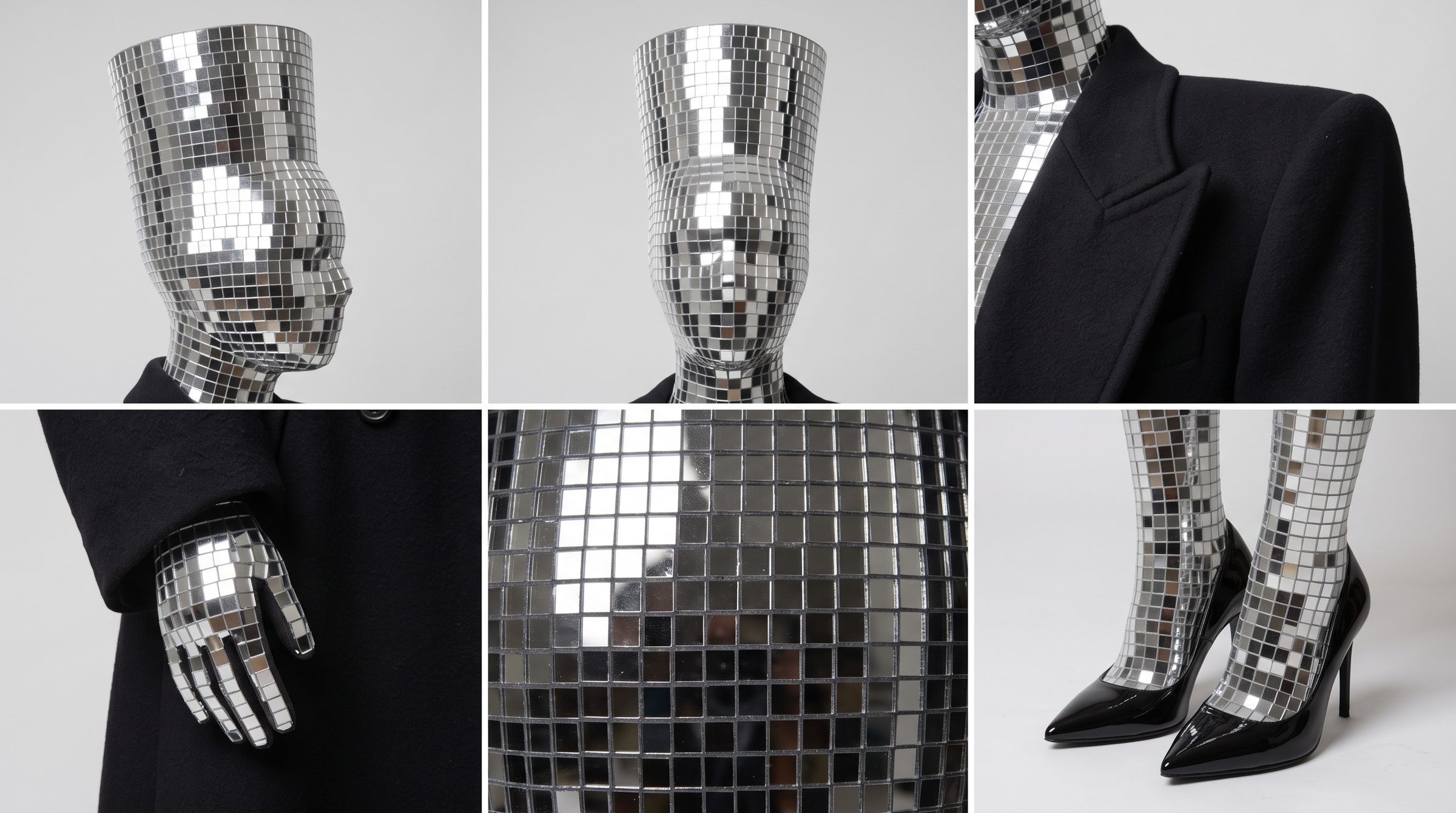
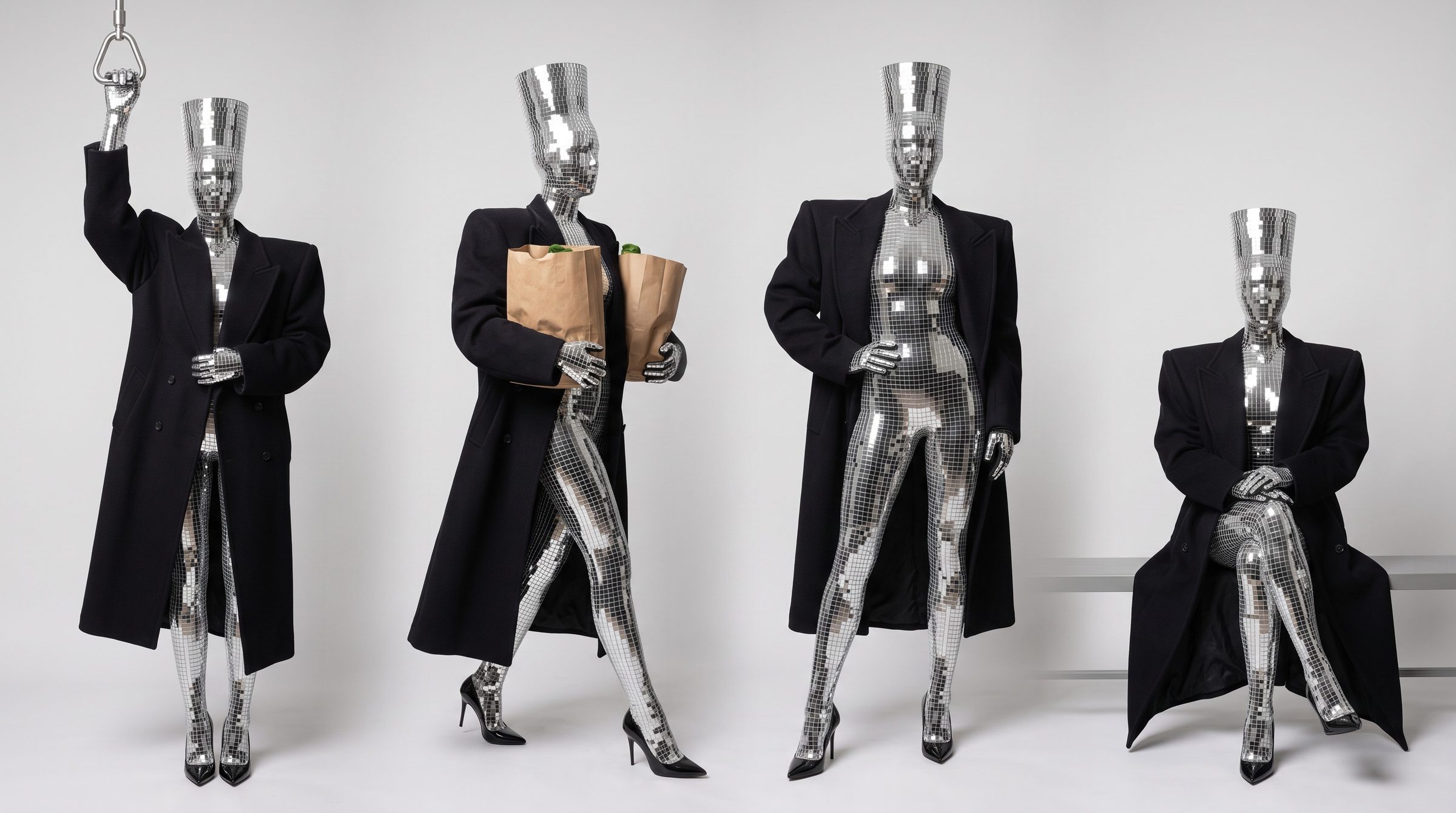
One beat each
In which, if it can’t be said in one line, it doesn’t get made.
Every episode starts as one line with a cause, an effect and an ending you don’t see coming. Then four beats are boarded with timing, angle and sound. Only then does anything move.
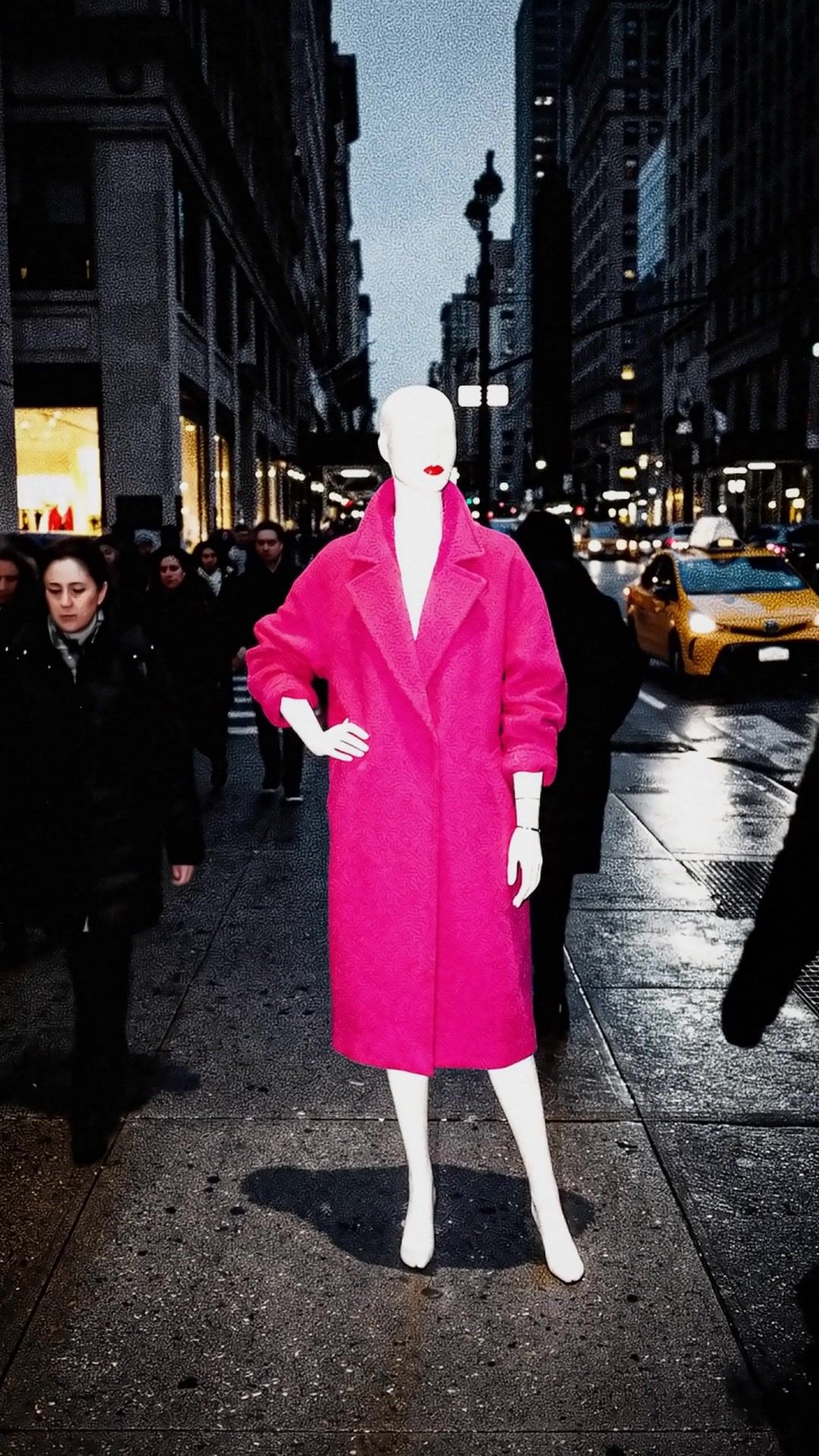
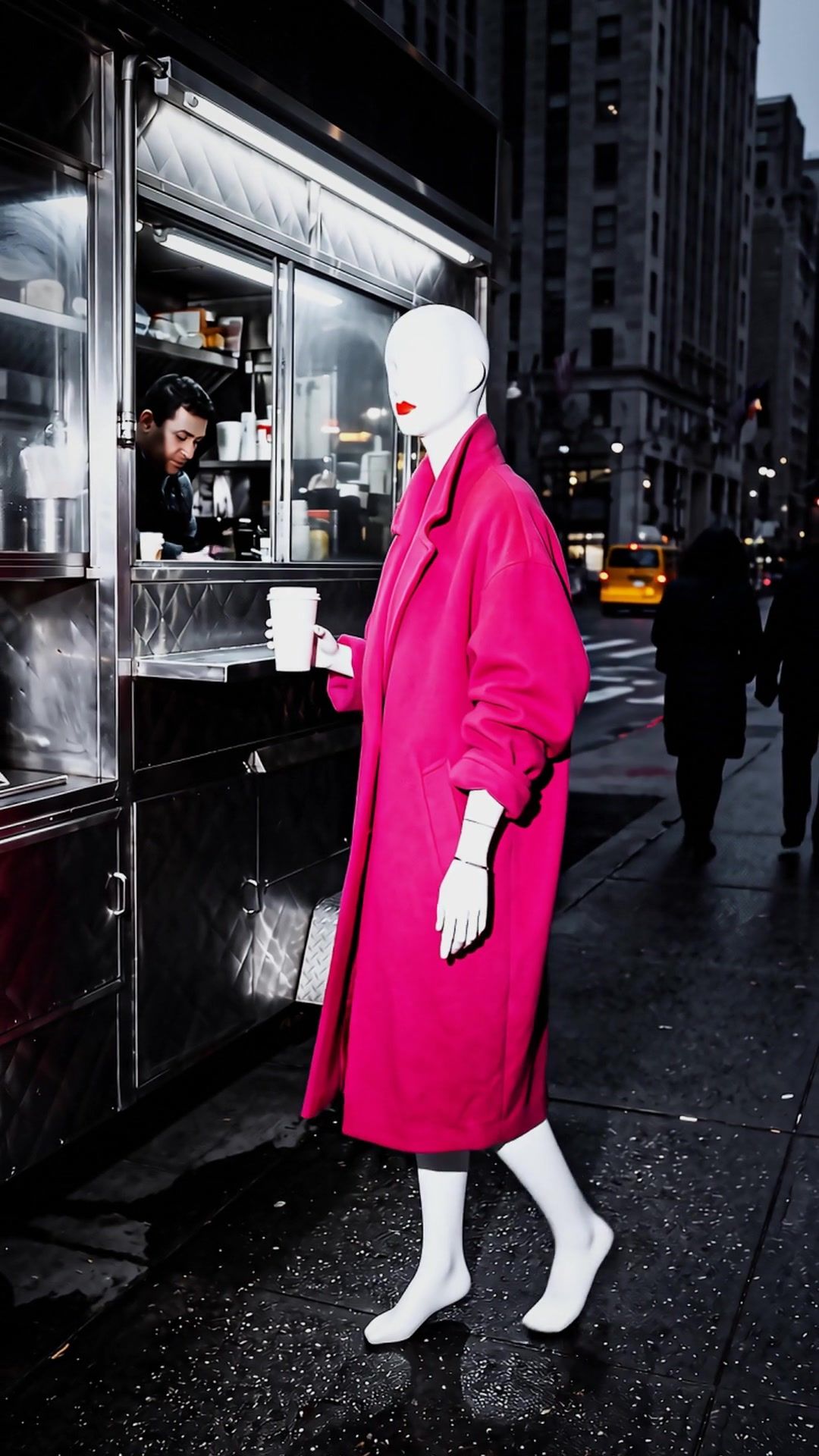
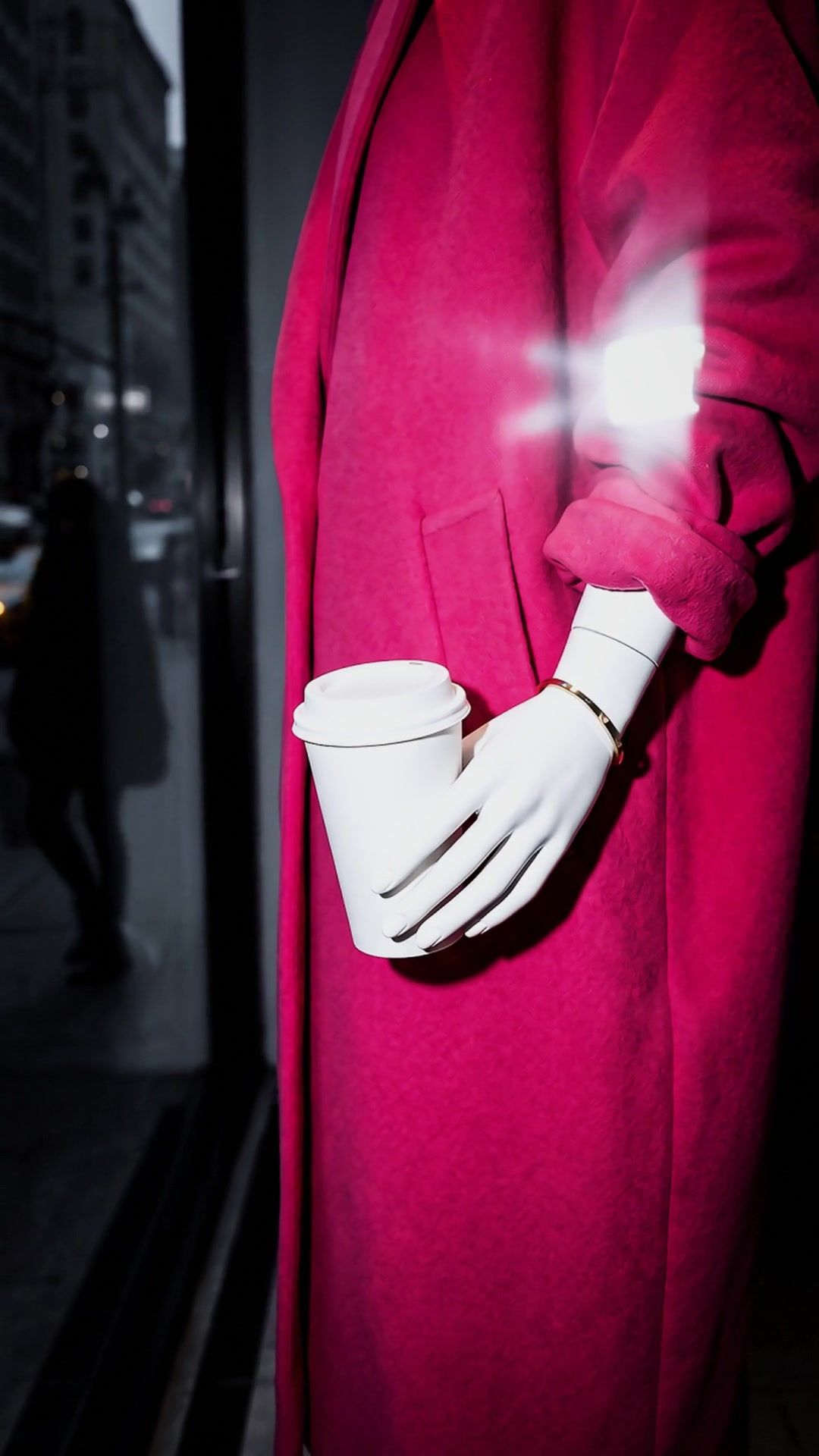
I don’t really understand the story.
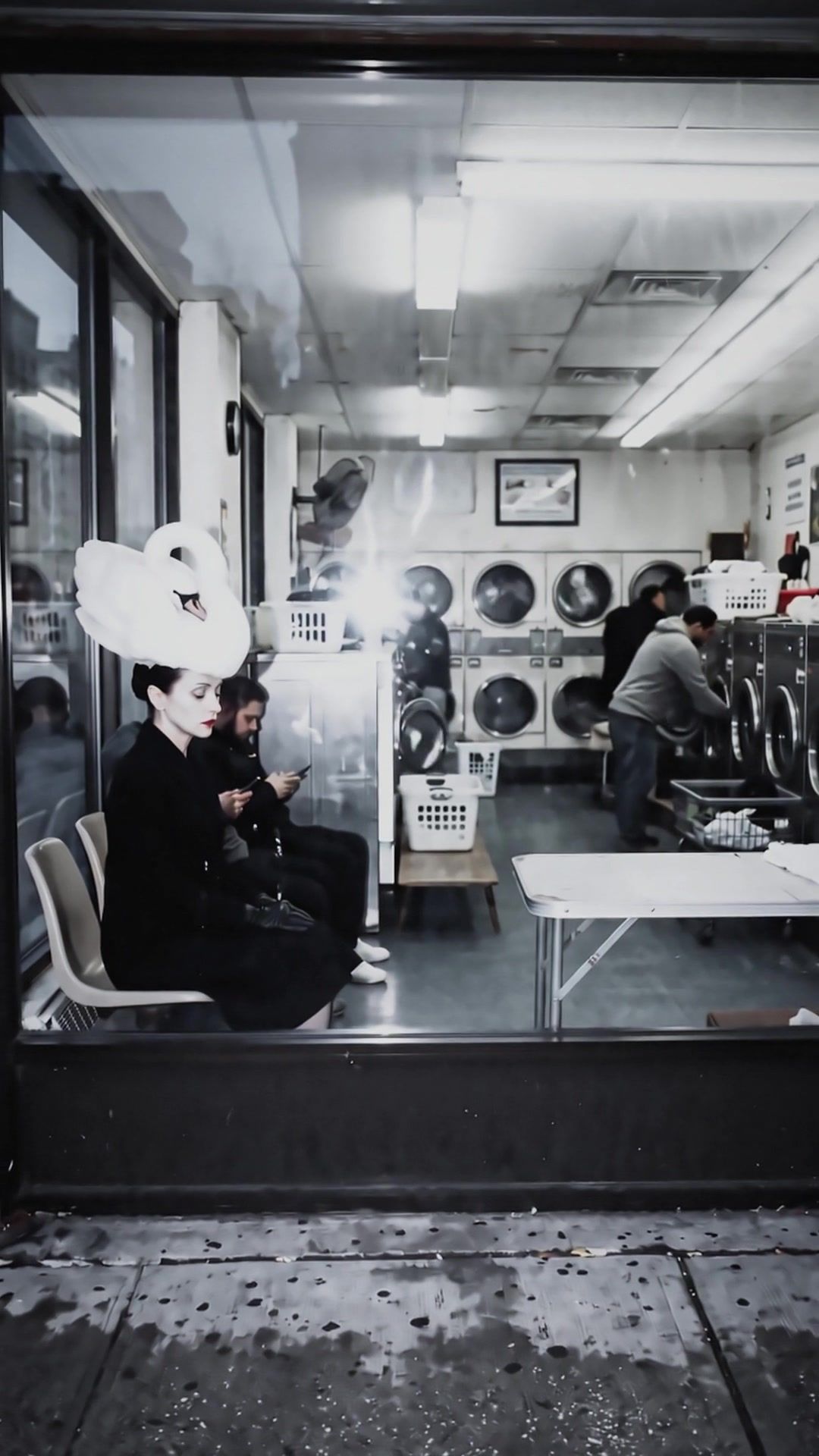
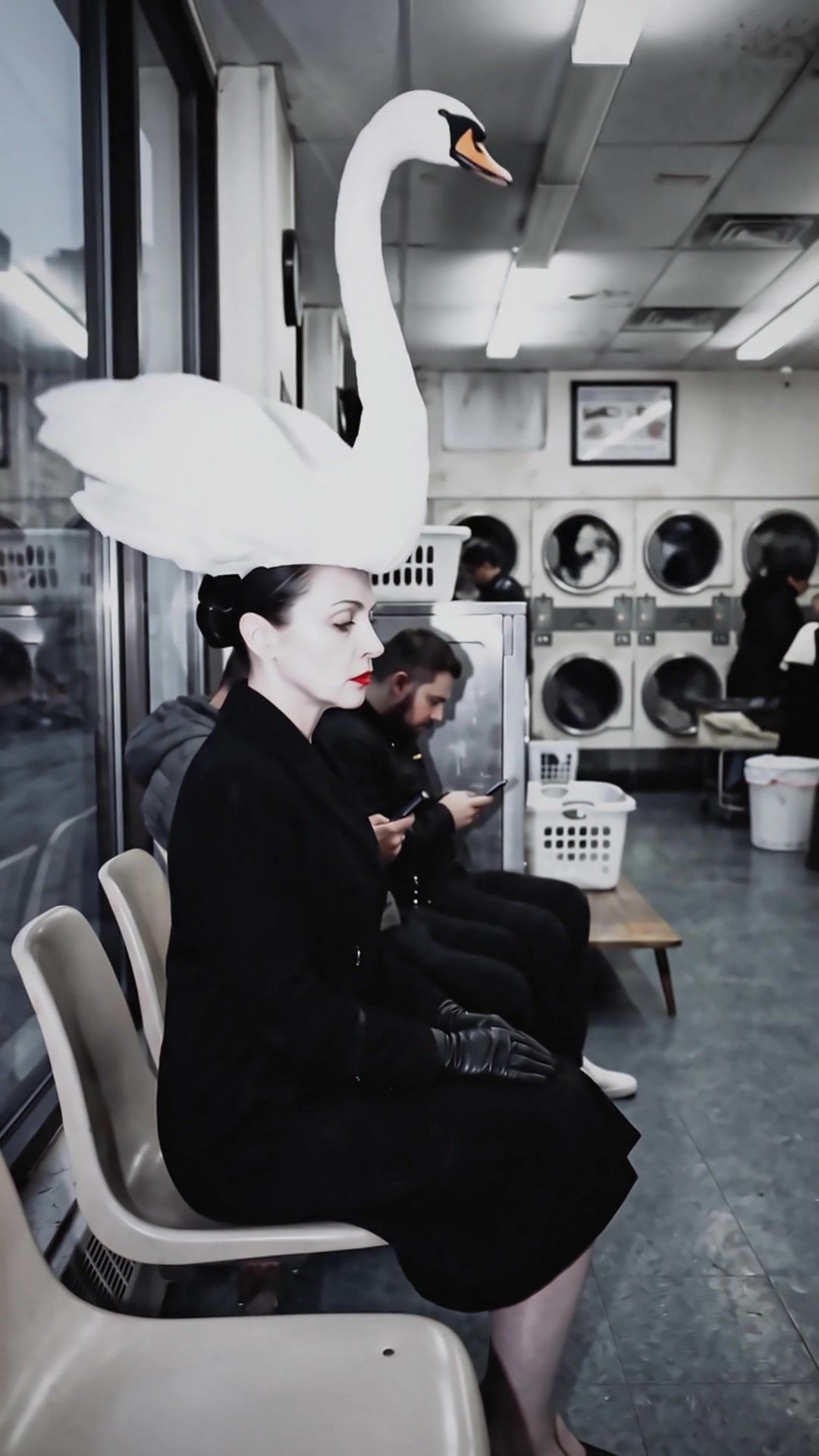
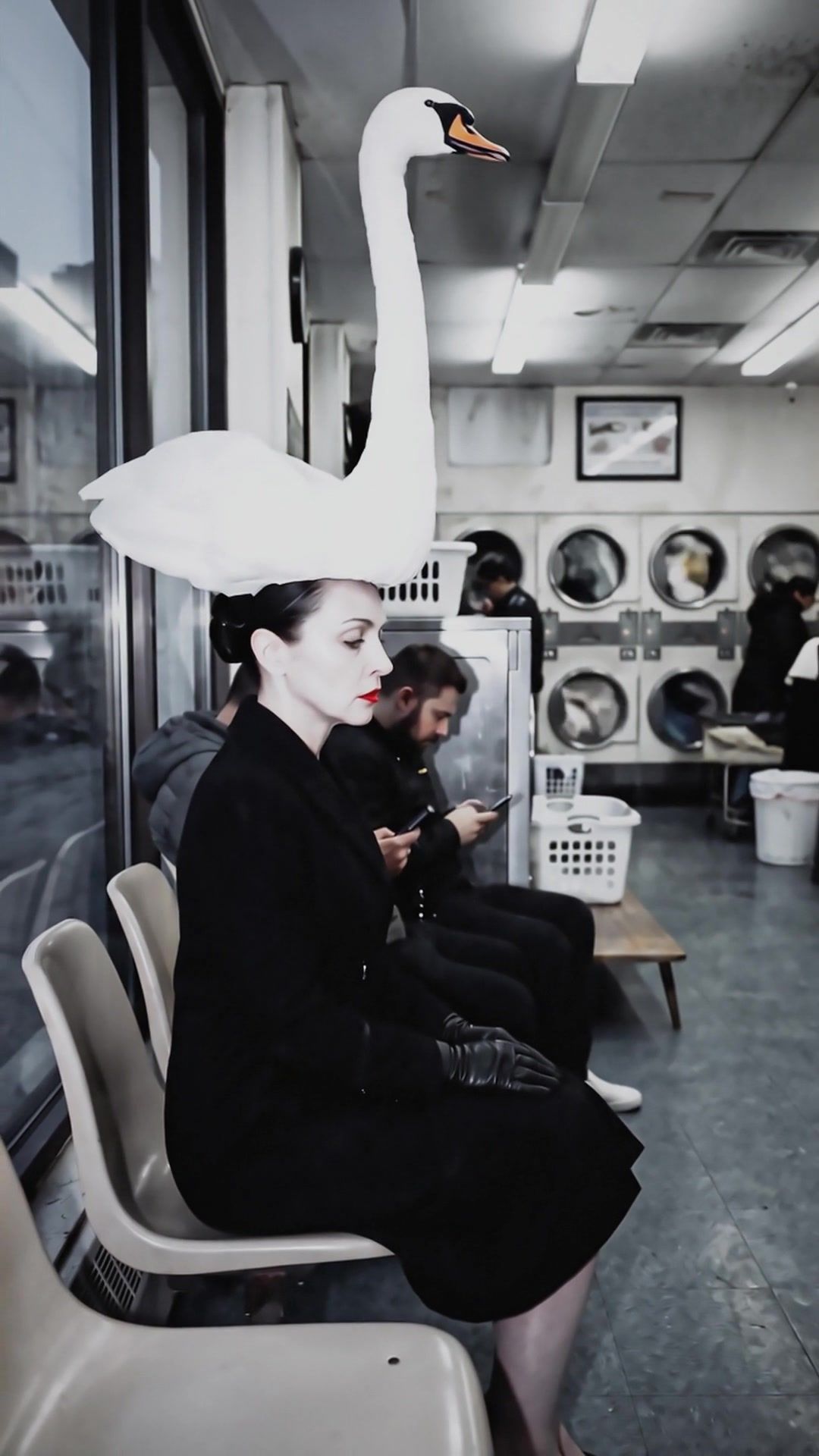
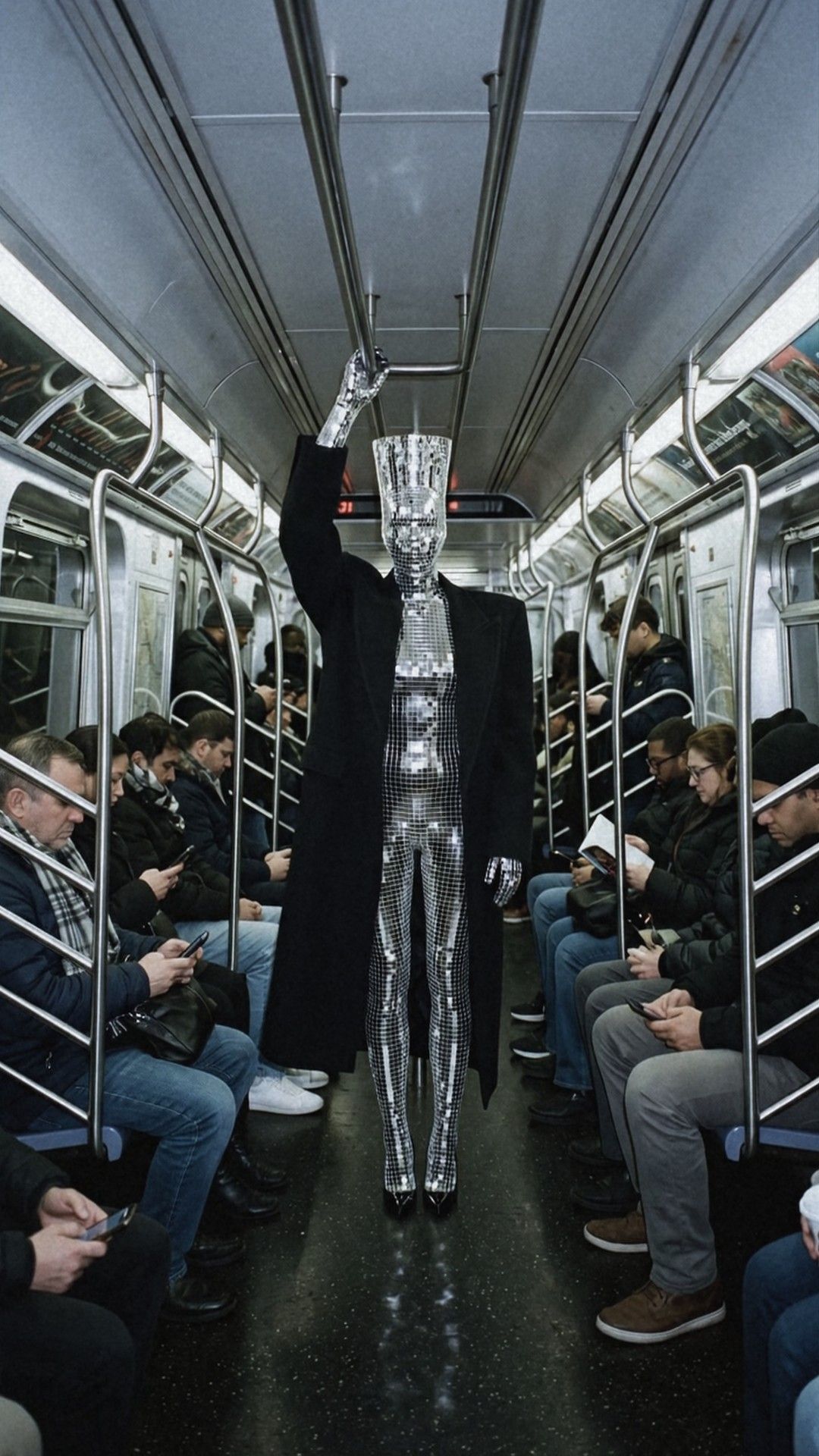
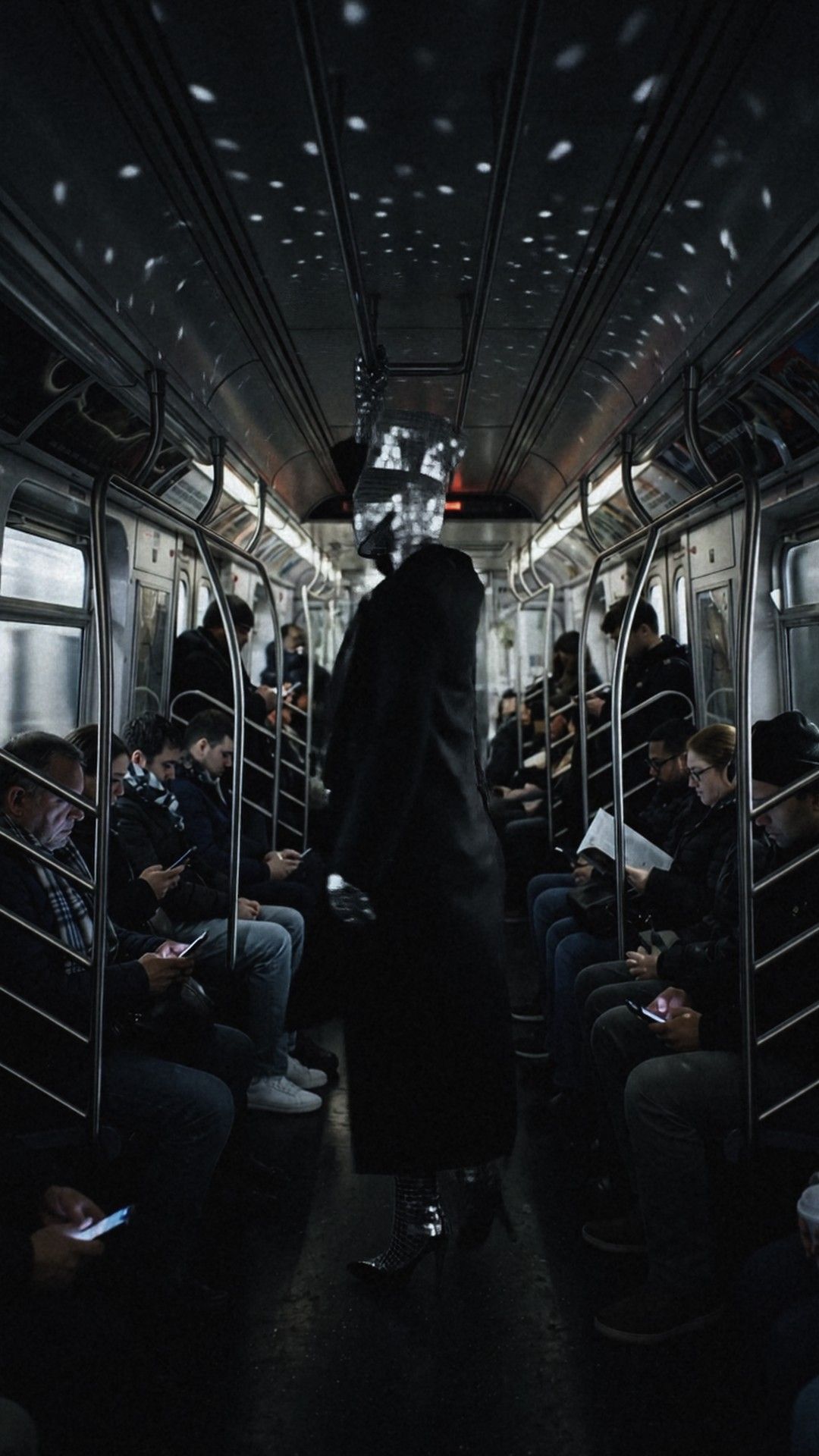
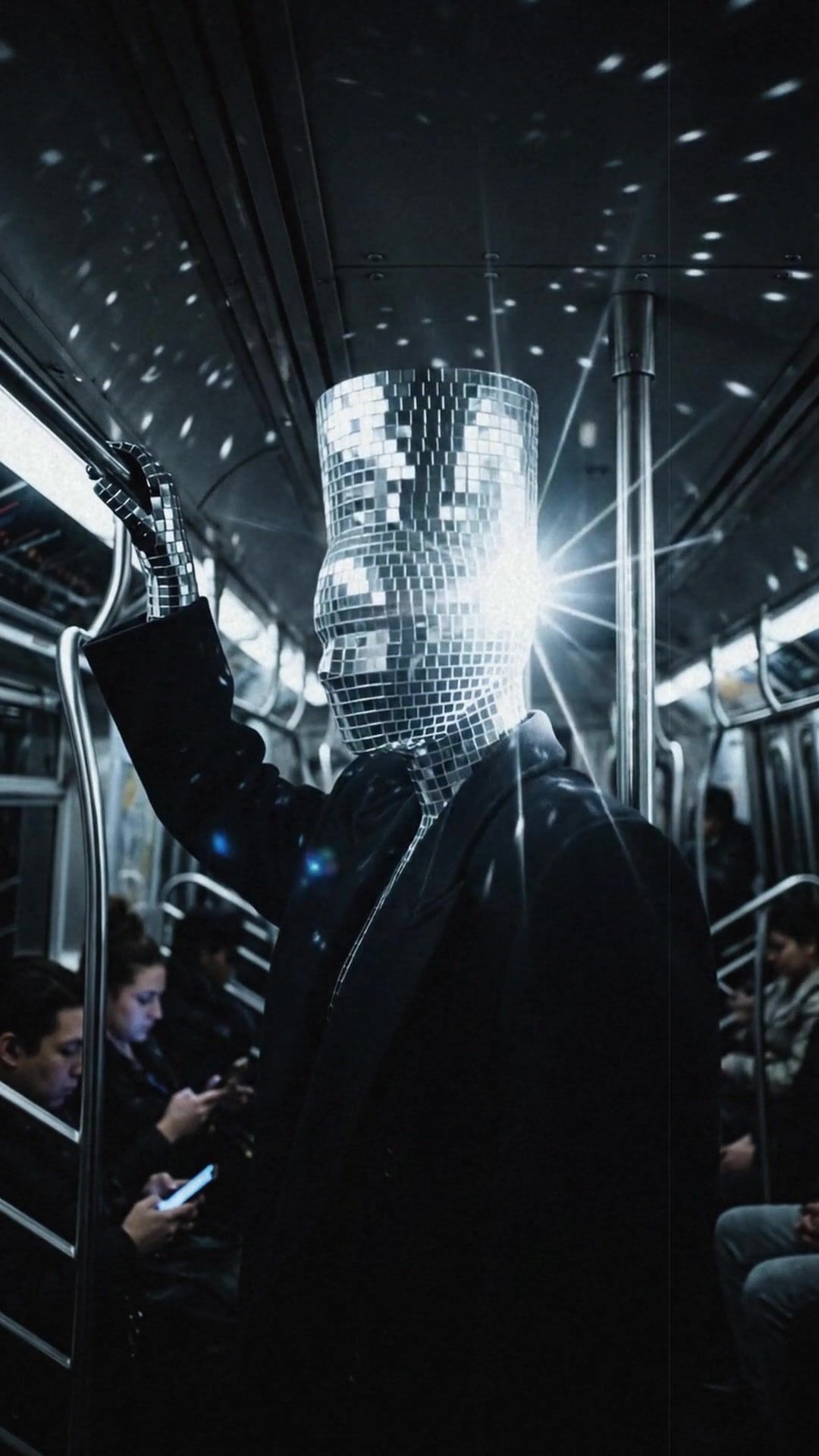
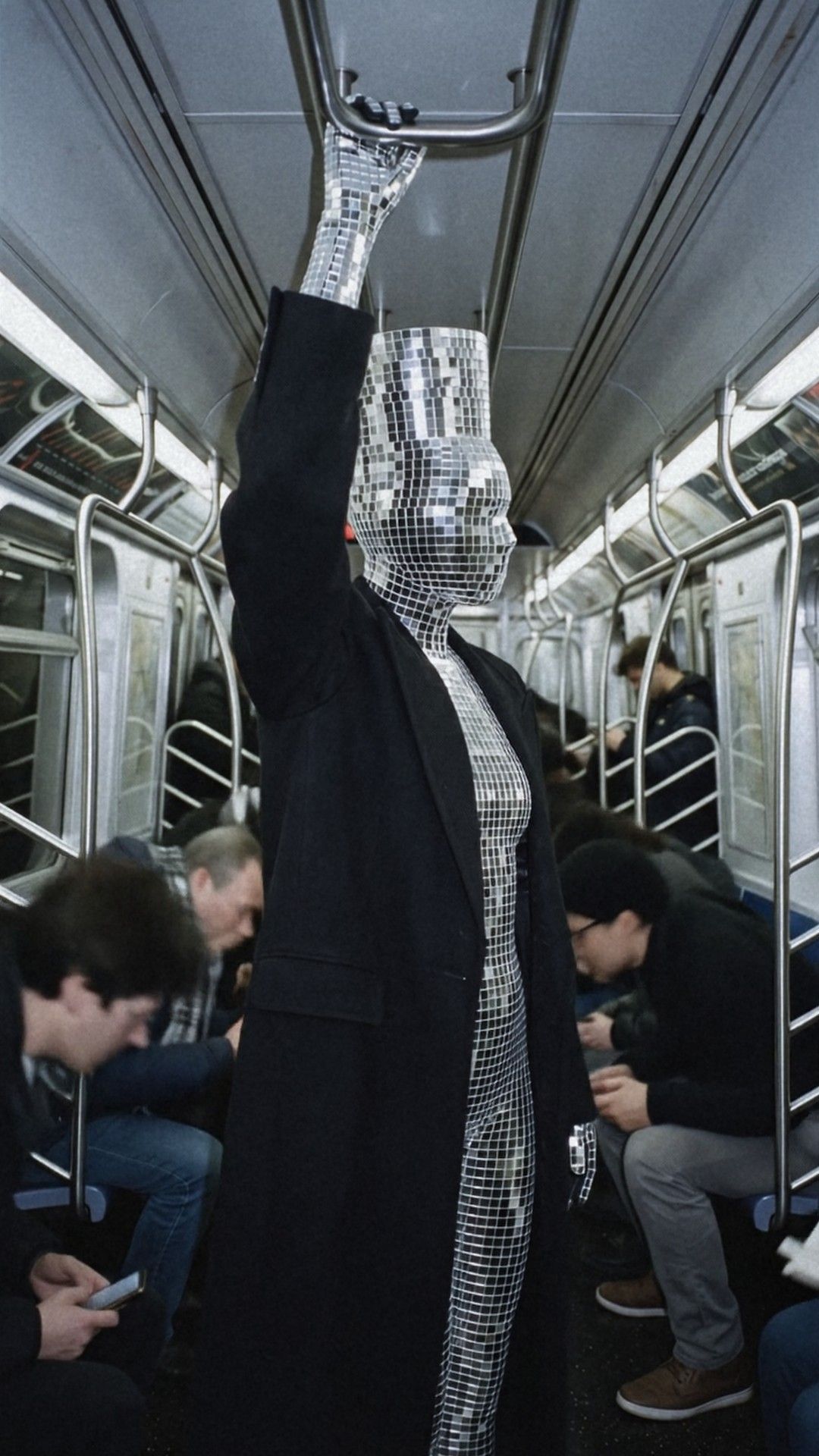
Eight seconds. Nobody looks away.
In which they look back.
On the street nobody looks at them. In the screen tests, after Warhol, the camera does nothing but look. Same dark room, same 16mm stock, one take, one small unexplained break, then the roll burns to white.
A type system cut like film
In which every capital I becomes a dot over a stem.
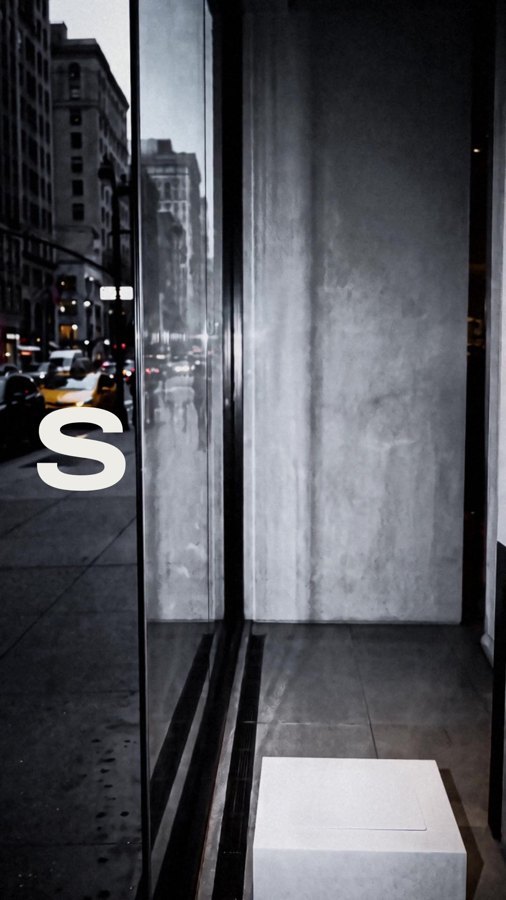
The single films carry no type. Everywhere else the type behaves like footage: Archivo Expanded Bold, off-white on near-black, and the only color is hers. Cards are timed in frames, not seconds.
Sound sells it
In which the picture says it happened, and the sound makes you believe it.
Real recordings only: street beds, a New York loft, the crosswalk signal, a real conductor’s announcement. Under the supercut, an original jazz trio of piano, upright bass and brushes, with a theme for each character.
New in the cast
Nobody. Cobalt from collar to heel, sunglasses floating where a face should be, and nobody inside. Her color is cobalt.
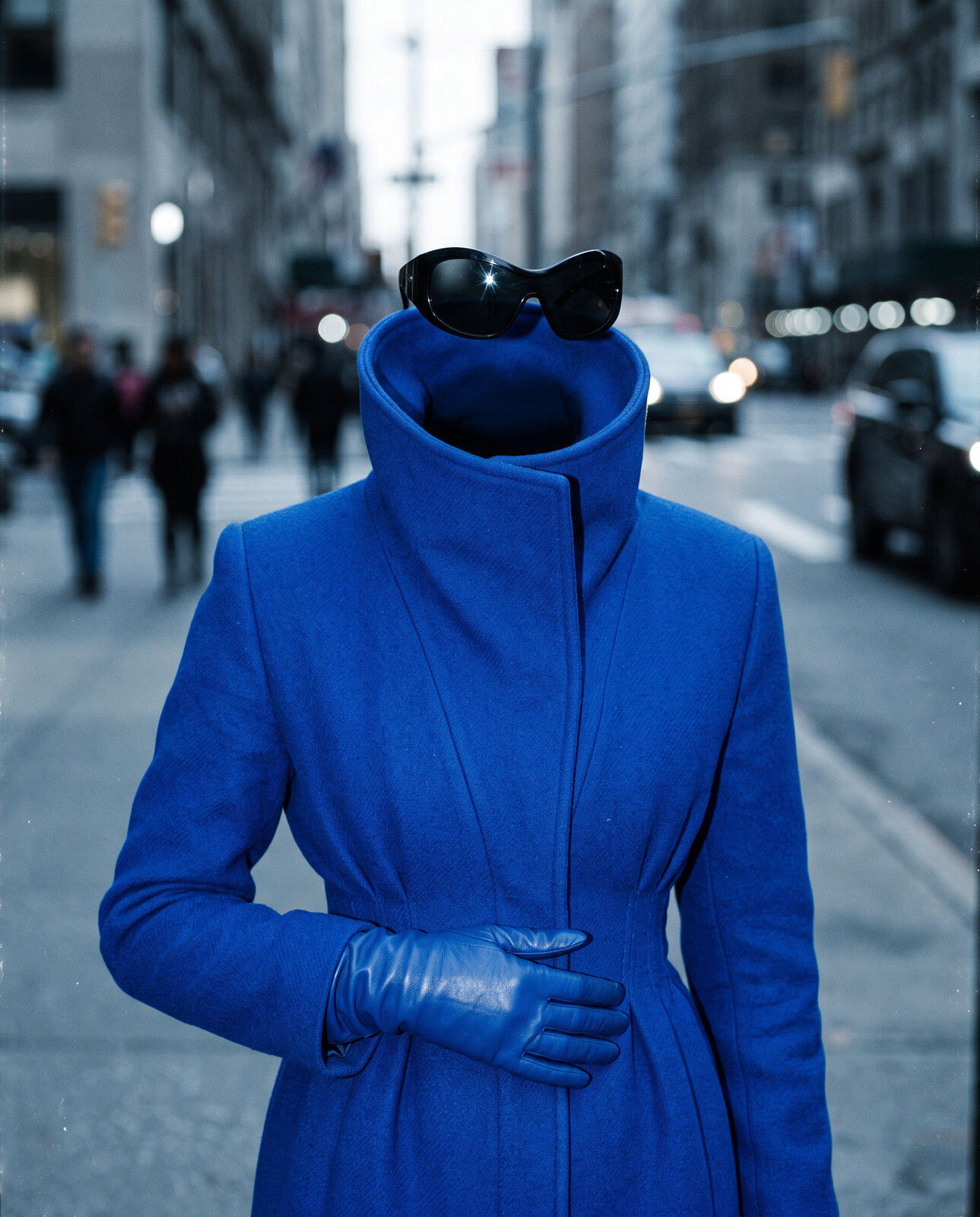
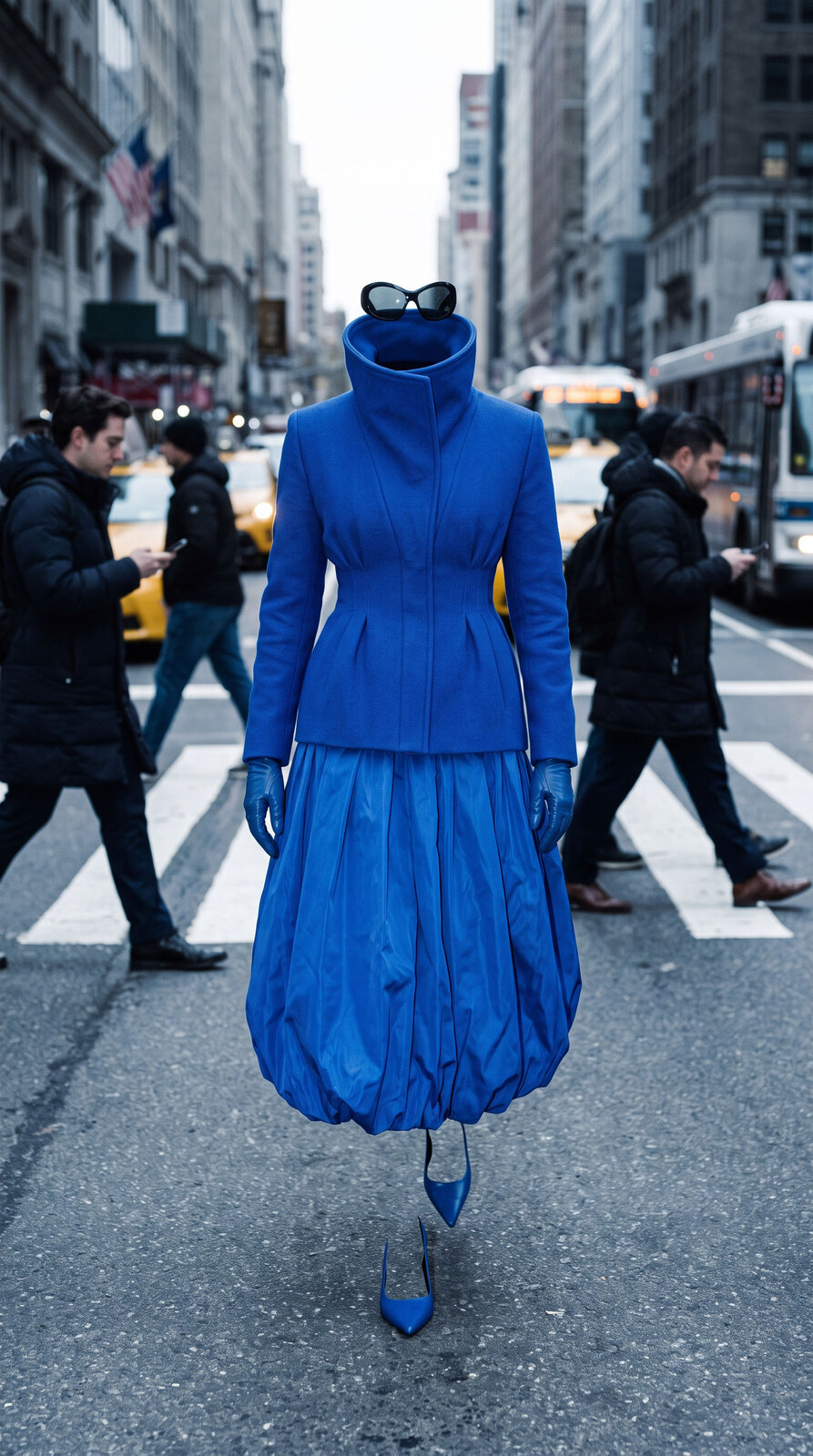
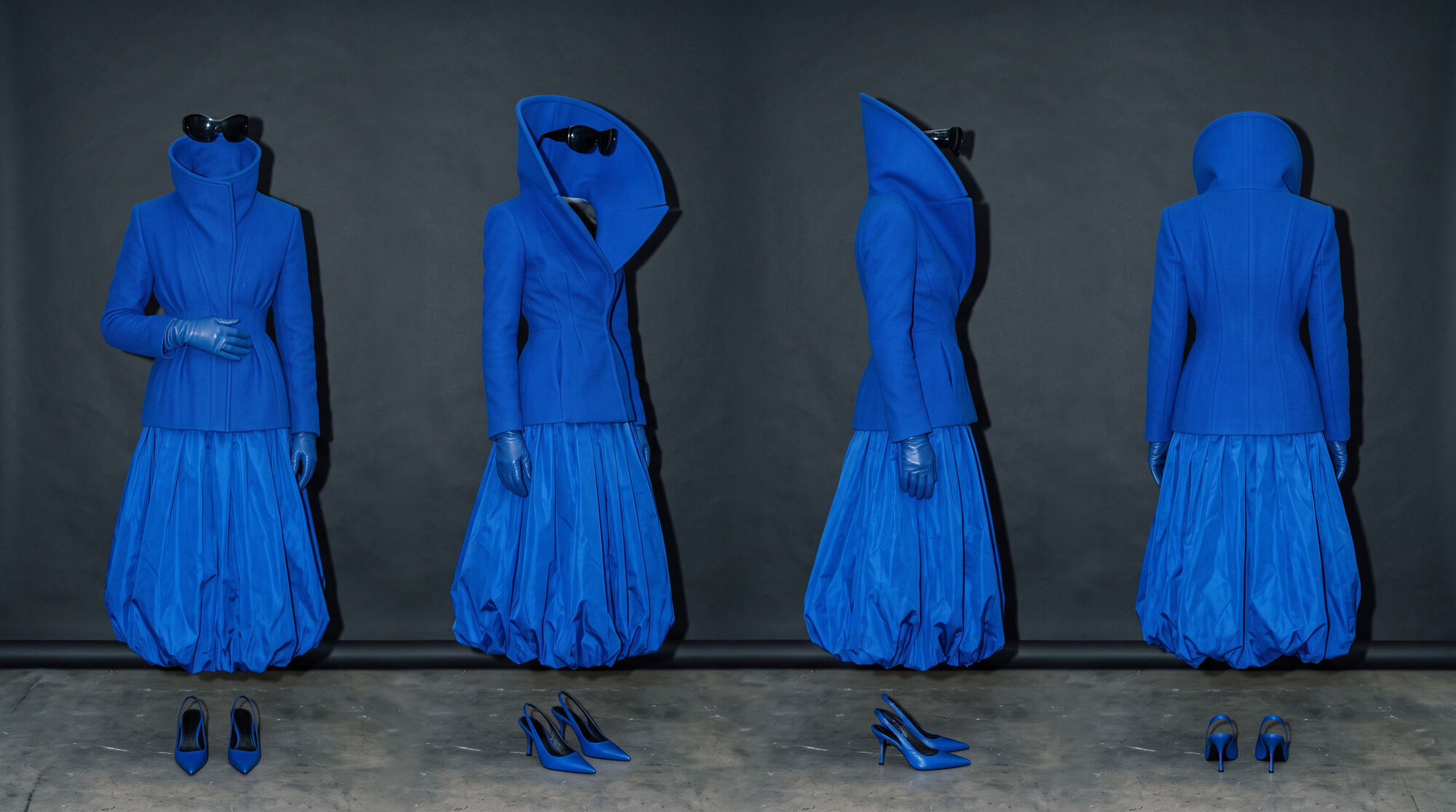
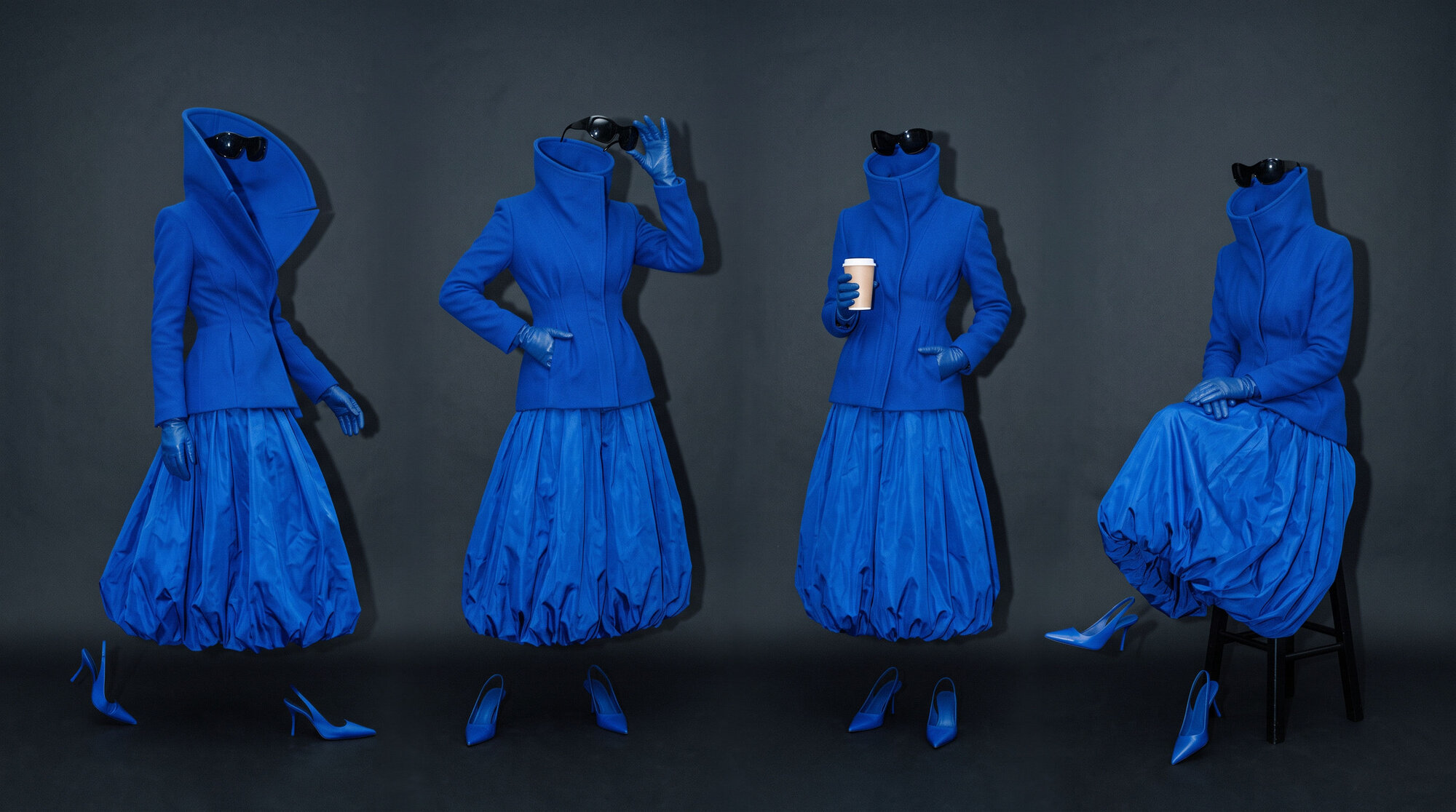
How a character gets made
In which she has to be the same person in every shot.
01 Write
One line for the character, one line for the episode. Nothing gets generated until both work.
02 Look
Look tests in Magnific until one look holds for every character. The rejects stay on file.
03 Cast
Variations before anyone gets locked. Disco tried patina, a crown, bigger tiles and a street look before she became Disco.
04 Lock
Every character gets the same kit: a turnaround, a details sheet, a pose library and two hero shots. Nothing moves until the kit is right.
05 Board and move
Four beats built as stills in Magnific, then animated from the approved stills with Magnific’s video tools.
06 Finish
Upscaled in Magnific, cleaned up in Photoshop.
07 Cut
Signal Problem took four versions. Hattie took seven. One Pearl episode got made start to finish, then cut, and Walk replaced it.
The tools did the rendering. The decisions were mine: what to make, what to cut, and when it was right.